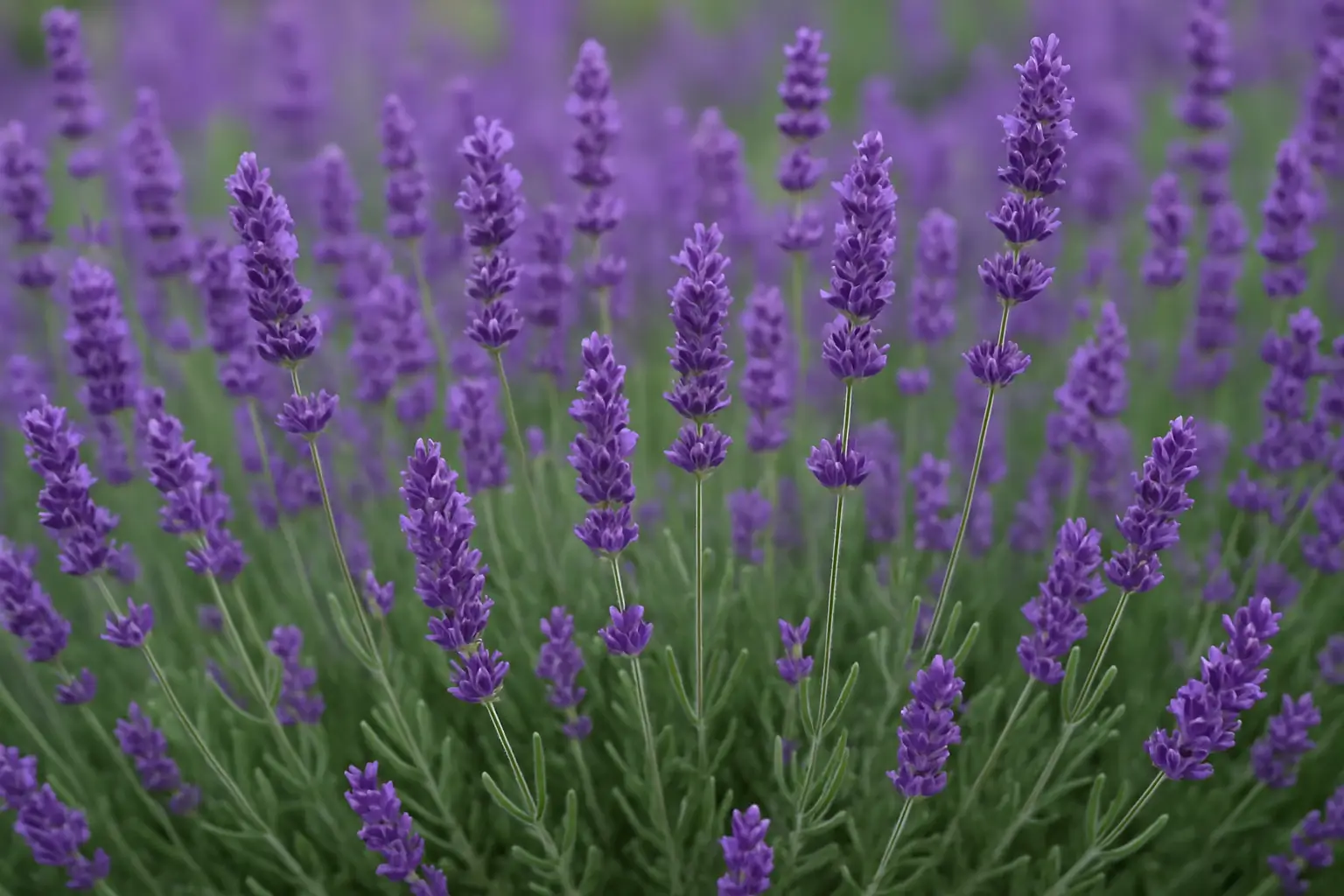
How to Prune Lavender Plants: Easy Steps for Healthy Growth
This article may contain affiliate links. If you purchase through these links, I may earn a small commission at no extra cost to you.
Pruning is a crucial step in maintaining the health and appearance of lavender plants. It encourages new growth, prevents the plant from becoming leggy, and promotes a fuller shape. Effective pruning techniques can make a significant difference in the overall well-being of your lavender.
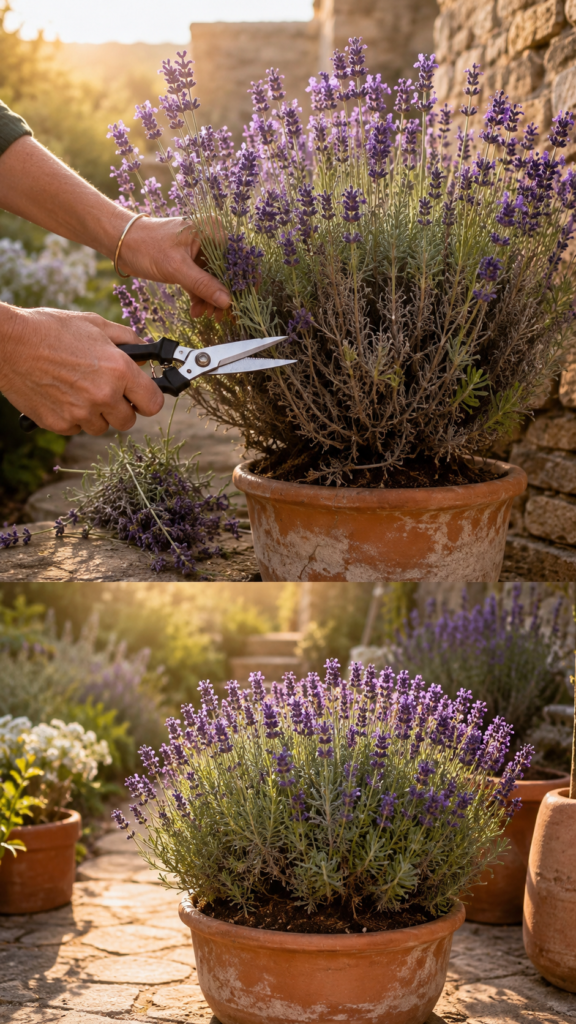
By understanding the best practices for pruning, you can enhance the beauty and longevity of your lavender plants. Pruning at the right time and in the correct manner is essential for maximizing the plant’s potential.
👉 Everything you need to keep your lavender plants healthy, fragrant, and beautifully shaped throughout the year. These gardening essentials make pruning and lavender care easier for beginners and experienced gardeners alike.
✂️ Professional Pruning Shears: Felco Classic Garden Pruner
🧤 Comfortable Gardening Gloves: Breathable Thorn-Resistant Gloves
🌿 Organic Lavender Fertilizer: Espoma Organic Bloom Booster
🍂 Natural Mulch for Moisture Retention: Premium Cedar Mulch
Key Takeaways
- Prune lavender plants annually to maintain shape and promote healthy growth.
- The best time to prune is in early spring or after flowering.
- Remove dead or damaged stems to prevent disease.
- Always use clean, sharp pruning shears to ensure precise cuts and avoid harming the plant.
- Prune to the desired shape, taking care not to cut into old wood.
Understanding Lavender Plants and Why Pruning Matters
The art of pruning lavender begins with recognizing the different lavender varieties and understanding their specific needs. Lavender plants are diverse, with various species exhibiting unique growth habits and responses to pruning. Effective pruning techniques are crucial for maintaining the health and promoting the blooming of these beautiful plants.
👉 Keep your lavender healthy and beautifully shaped with the right pruning tools and care essentials.
🪴 Organic Fertilizer: Espoma Organic Plant Food
✂️ Pruning Shears: Felco F-2 Classic Manual Hand Pruner
🌿 Gardening Gloves: Leather Garden Gloves for Pruning
Different Types of Lavender and Their Growth Habits
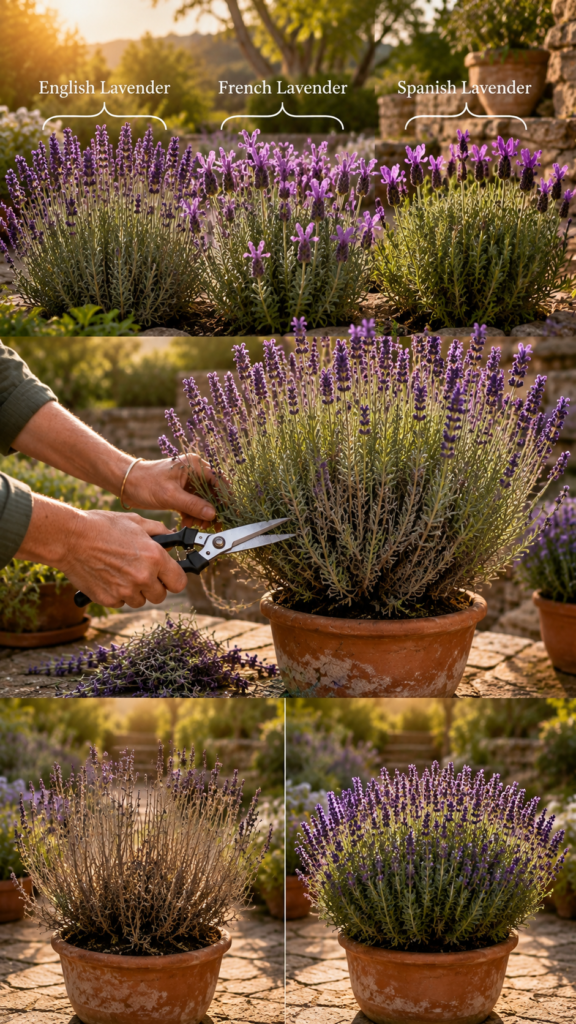
Lavender plants come in several varieties, including English Lavender (Lavandula angustifolia), French Lavender (Lavandula dentata), and Spanish Lavender (Lavandula stoechas). Each type has its distinct growth habit, ranging from compact and bushy to tall and leggy. Understanding these differences is essential for applying the right pruning techniques.
For instance, English Lavender tends to grow more compactly and requires less aggressive pruning compared to French Lavender, which can become leggy if not pruned regularly.
Benefits of Regular Pruning for Lavender Health
Regular pruning is vital for maintaining healthy lavender plants. It encourages new growth, promotes blooming, and prevents the plant from becoming woody and leggy. Pruning also allows for the removal of dead or diseased sections, improving the overall appearance and health of the plant.
By pruning lavender plants regularly, gardeners can enjoy more vibrant blooms and a healthier plant. This practice is an essential lavender care technique that contributes to the overall well-being of the plant.
Best Times to Prune Lavender Plants
To keep your lavender thriving, it’s essential to prune it at the optimal time. Pruning at the right moment ensures the plant remains healthy and continues to bloom beautifully. The timing varies depending on the season and the specific needs of your lavender plant.
Lavender plants typically require pruning at different times of the year to maintain their shape and promote healthy growth. Understanding these times is crucial for any lavender gardener.
Spring Pruning Guidelines
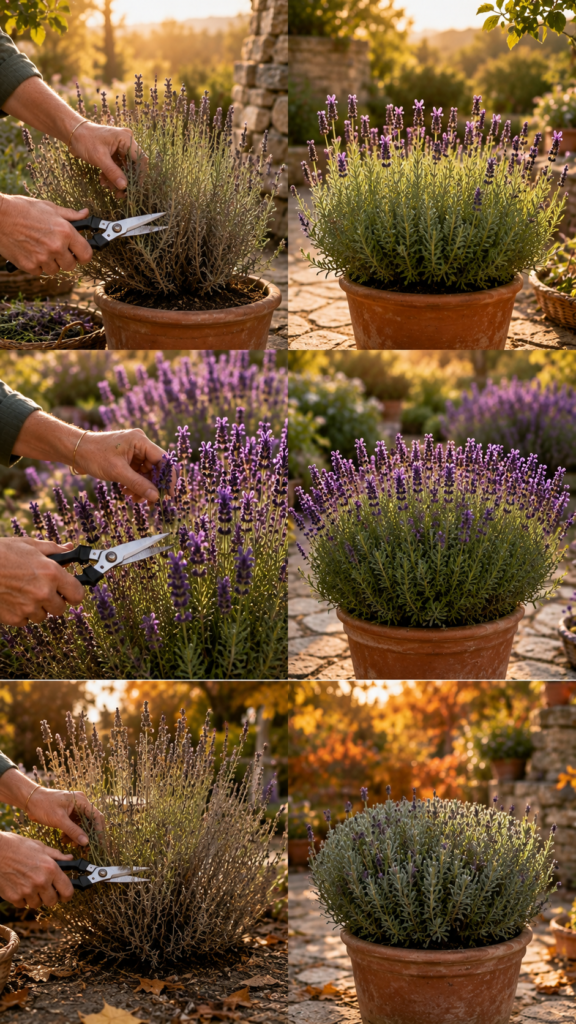
In the spring, it’s vital to prune your lavender plant before new growth begins. This usually occurs around late March or early April, depending on your climate. Trim away any dead or damaged stems left over from the previous winter to encourage healthy new growth. Cut back the plant to about 2-3 inches from the ground to encourage fresh shoots.
Summer Maintenance Trimming
During the summer, after your lavender has finished blooming, a light trim can help maintain its shape and encourage a second bloom. Simply snip off the spent flowers, being careful not to cut into the woody parts of the stem. This process is known as deadheading.
Fall Pruning Considerations
In the fall, around September or October, you can prune your lavender again to prepare it for the winter. Cut back the stems to about an inch or two above the woody part of the plant. This helps protect the plant from harsh winter conditions and promotes healthy regrowth in the spring.
| Season | Pruning Action | Benefits |
|---|---|---|
| Spring | Cut back dead or damaged stems | Promotes new growth, maintains plant shape |
| Summer | Deadhead spent flowers | Encourages a second bloom, maintains appearance |
| Fall | Prune back stems to protect from winter | Protects the plant, promotes healthy regrowth |
By following these guidelines, you can ensure your lavender plants remain healthy and thrive throughout the year. For expert advice on trimming lavender, consider consulting with a local gardening expert or conducting further research specific to your lavender variety.
👉 Seasonal pruning becomes easier with reliable gardening tools and accessories:
✂️ Heavy-Duty Garden Clippers: Gonicc Professional Pruning Shears
🧤 Protective Gardening Gloves: Breathable Thorn-Resistant Gloves
Essential Tools for Pruning Lavender
To prune lavender effectively, it’s crucial to have the essential tools that make the process easier and more efficient. Pruning is not just about cutting back plants; it’s about doing so in a way that promotes health and encourages new growth.
Recommended Pruning Shears and Equipment
A quality pair of pruning shears is essential when working with lavender. There are several types available, including:
- Bypass pruners for clean cuts on live stems
- Anvil pruners for cutting dead or dry stems
It’s also beneficial to have long-handled loppers for thicker branches and gardening gloves for protection.
| Tool | Purpose | Benefit |
|---|---|---|
| Pruning Shears | Cutting back lavender stems | Precision and control |
| Loppers | Cutting thicker branches | Increased leverage |
| Gardening Gloves | Protecting hands from thorns | Safety and comfort |
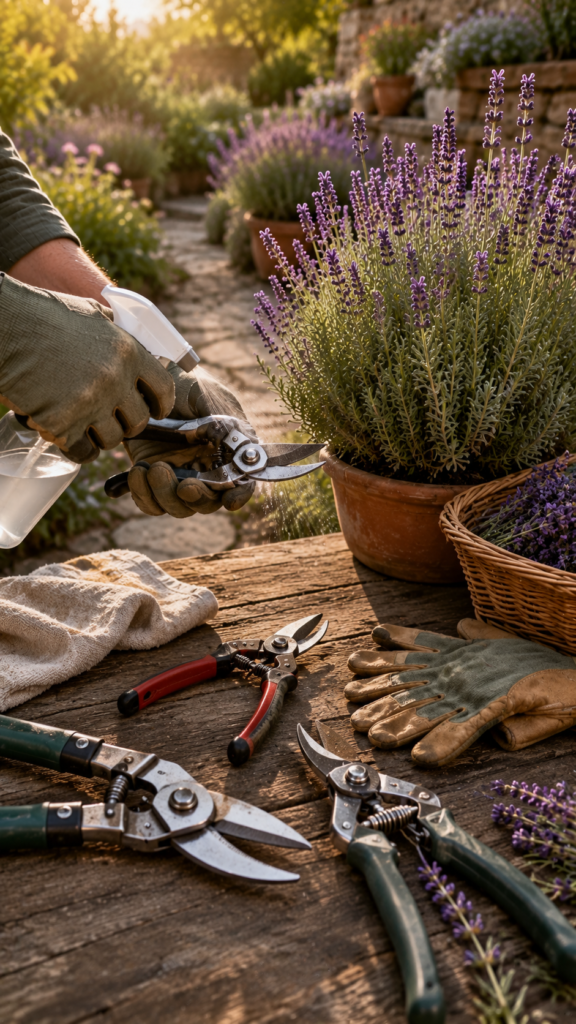
Sanitizing and Maintaining Your Pruning Tools
Be sure to sanitize your pruning tools before use to prevent the spread of plant diseases. To do this, wipe your tools with a disinfectant between cuts, especially when moving from one plant to another. Regular maintenance, such as sharpening blades, will also keep your tools in good condition.
By using the right tools and taking care of them, you’ll be able to prune your lavender plants effectively, promoting their health and beauty.
👉 Using clean, sharp tools makes pruning safer and healthier for your lavender plants.
✂️ Premium Pruning Shears: Felco F-6 Compact Pruner
🧼 Tool Cleaning Spray: Garden Tool Disinfectant Cleaner
Preparing Your Lavender Plants for Pruning
Before you start pruning your lavender plants, it’s crucial to assess their overall health. Proper preparation is key to effective pruning and maintaining the health of your lavender. This involves understanding the current state of your plant, including any potential issues that could affect the pruning process.
Assessing Plant Health Before Pruning
To assess your lavender plant’s health, start by inspecting it for any signs of disease or pests. Look for discoloration, unusual growth patterns, or damage. Checking the plant’s overall condition will help you determine the best pruning approach. Healthy lavender plants respond better to pruning, and assessing their health beforehand ensures you’re not causing unnecessary stress to the plant.
Identifying Dead or Diseased Sections
Identifying dead or diseased sections of your lavender plant is crucial before you begin pruning. Dead stems are typically brittle and dry, while diseased sections may show signs of fungal infections or pest infestations. Removing these sections is vital for the plant’s health and appearance.
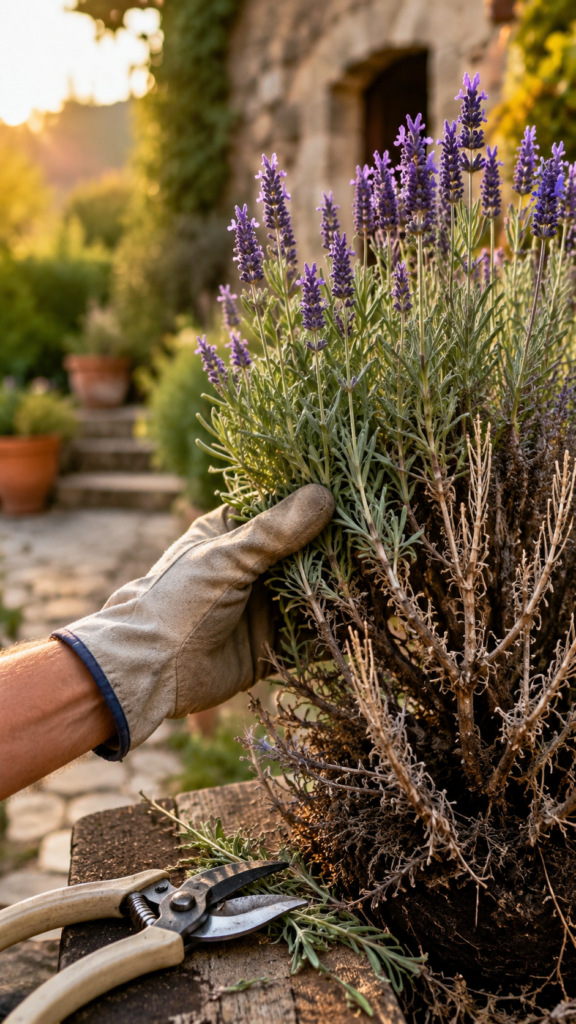
By doing so, you’re not only improving the plant’s aesthetic appeal but also preventing the spread of disease. Expert advice on trimming lavender emphasizes the importance of this step in lavender pruning techniques.
By carefully assessing your lavender plant’s health and identifying any issues, you’ll be better equipped to prune effectively, ensuring your plant remains healthy and thrives. This preparation is a critical step in the process of how to prune lavender plants.
👉 Healthy preparation leads to stronger lavender growth after pruning.
🌿 Organic Neem Oil Spray: Neem Bliss Plant Spray
🪴 Soil Moisture Meter: Plant Moisture Sensor
Step-by-Step Guide on How to Prune Lavender Plants
To keep your lavender plants thriving, it’s crucial to understand the proper pruning techniques. Pruning is not just about cutting back plants; it’s an art that promotes health, encourages new growth, and enhances the plant’s appearance. By following a step-by-step guide, you can ensure your lavender plants receive the care they need.
Proper Cutting Techniques
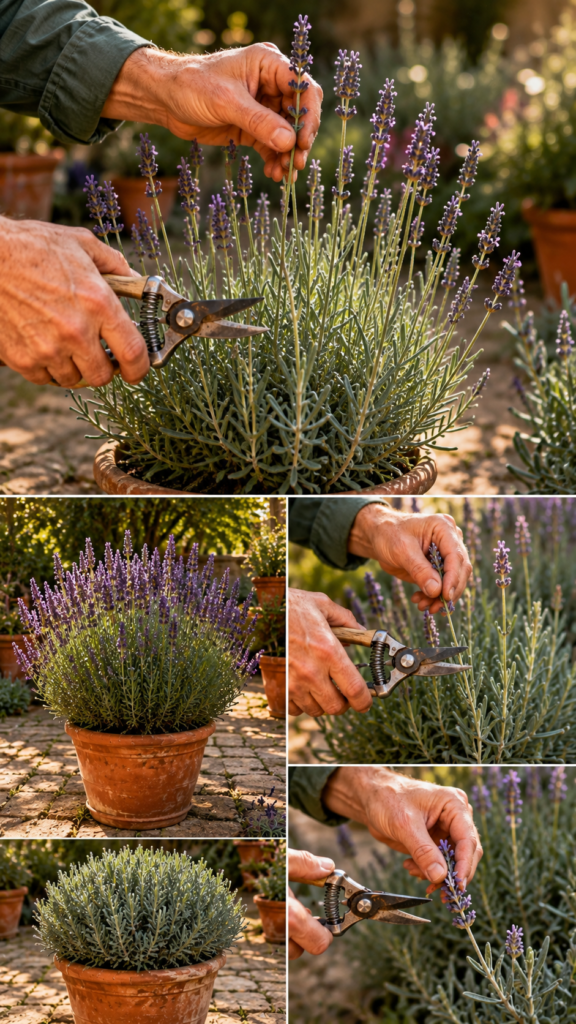
When pruning lavender, it’s essential to use the right cutting techniques. Make clean cuts just above a leaf node or a bud, as this encourages new growth. Always use sharp, sanitized pruning shears to avoid transmitting diseases between plants. Cutting at a 45-degree angle can help prevent water from collecting on the cut surface, reducing the risk of rot.
How Much to Trim: The One-Third Rule
A general rule for pruning lavender is not to remove more than one-third of the plant’s foliage at any one time. This rule helps prevent shocking the plant and allows it to recover quickly. Removing too much can stress the plant, making it vulnerable to disease and pests.
Shaping Your Lavender Plant
Shaping your lavender plant is crucial for maintaining its appearance and promoting healthy growth. After removing dead or diseased branches, shape the plant to encourage a bushy, compact form. This involves lightly trimming the outer branches to maintain the desired shape.
Deadheading Spent Flowers
Deadheading, or removing spent flowers, is an essential part of lavender care. Pruning promotes new flower growth and stops seed formation, helping the plant conserve energy. Simply snip off the faded flowers, making sure to cut just above a leaf node to promote new growth.
By following these steps and understanding the importance of each pruning technique, you’ll be well on your way to maintaining healthy, thriving lavender plants. Regular pruning not only enhances the plant’s appearance but also contributes to its overall health and longevity.
Plants
👉 These tools and supplies make lavender pruning easier for beginners and experienced gardeners alike:
✂️ Garden Pruning Kit: Professional Pruner Set
🌱 Organic Plant Food: Lavender Plant Fertilizer
Pruning Young Lavender Plants
Young lavender plants require careful pruning to establish a strong foundation for future growth. Pruning is essential for promoting healthy development, encouraging bushy growth, and preventing the plant from becoming leggy.
First-Year Pruning Guidelines
During the first year, it’s crucial to prune your lavender plant lightly but regularly. This encourages the plant to develop a strong root system and promotes new growth. Cut away any dead or damaged stems, and trim the stem tips to promote new branching.
- Remove any weak or spindly growth to promote a bushy shape.
- Trim back the stems to about one-third to one-half of their height.
- Monitor the plant regularly and prune as needed to maintain shape.
Establishing a Strong Growth Pattern
To establish a strong growth pattern, focus on promoting a balanced shape and encouraging new growth. Prune your young lavender plant in the spring, removing any dead or damaged stems and shaping the plant to maintain its desired shape.
Some expert advice on trimming lavender includes making clean cuts just above a leaf node, using sharp and clean pruning tools, and avoiding pruning too much of the plant at once.
By following these best practices for pruning lavender, you can help your young lavender plant develop into a healthy and thriving mature plant.
👉 Young lavender plants benefit from gentle pruning and healthy soil support.
🌱 Seed Starter Mix: Organic Potting Soil Mix
✂️ Small Garden Snips: Beginner Garden Clippers
Maintaining Mature Lavender Plants
Maintaining mature lavender plants involves a combination of proper pruning, care, and attention to their specific needs. As lavender plants age, they can become woody and less productive, but with the right techniques, you can keep them healthy and thriving.
Regular pruning is crucial for maintaining the shape and promoting new growth in mature lavender plants. It’s essential to understand the specific needs of your plants to provide the best care.
Rejuvenating Older Plants
Rejuvenating older lavender plants requires careful pruning to stimulate new growth. Cut back the plant to about 3-4 inches from the ground, making sure to leave some green foliage. This process helps to:
- Encourage new shoots
- Improve air circulation
- Reduce the risk of disease
Dealing with Woody Growth
Woody growth is a common issue in mature lavender plants. To address this, prune out any dead or damaged wood, cutting it back to the base of the plant. This will help to:
- Prevent disease from spreading
- Promote healthy growth
- Maintain the plant’s appearance
By following these essential lavender care techniques, you can keep your mature lavender plants healthy and thriving for years to come.
👉 Mature lavender plants stay productive longer with proper care tools.
✂️ Heavy Duty Pruners: Professional Garden Clippers
🌿 Soil Conditioner: Organic Compost Blend
Pruning Different Varieties of Lavender
Lavender plants, despite their similarities, have distinct pruning needs based on their variety. Understanding these differences is key to maintaining the health and appearance of your lavender plants.
English Lavender (Lavandula angustifolia) Pruning
English lavender is one of the most common varieties and requires regular pruning to promote new growth and prevent woody stems. Prune in early spring, removing dead stems and shaping the plant to maintain its desired form.
French Lavender (Lavandula dentata) Pruning
French lavender has a more delicate growth habit and requires less pruning than English lavender. Focus on removing spent flowers and lightly shaping the plant in spring to encourage bushy growth.
Spanish Lavender (Lavandula stoechas) Pruning
Spanish lavender is known for its distinctive flower heads and requires pruning to maintain its shape and promote healthy growth. Prune in spring, cutting back the previous year’s growth by about one-third.
Lavandin (Lavandula x intermedia) Pruning
Lavandin, a hybrid of English lavender and spike lavender, requires similar pruning techniques to English lavender. Prune in early spring, focusing on removing dead wood and shaping the plant.
To effectively prune these varieties, it’s essential to use the right lavender pruning techniques. For expert advice on trimming lavender, consider the growth habits and needs of your specific lavender variety.
| Lavender Variety | Pruning Time | Pruning Technique |
|---|---|---|
| English Lavender | Early Spring | Remove dead stems, shape the plant |
| French Lavender | Spring | Remove spent flowers, light shaping |
| Spanish Lavender | Spring | Cut back previous year’s growth by one-third |
| Lavandin | Early Spring | Remove dead wood, shape the plant |
By following these guidelines and using the appropriate lavender pruning techniques, you can keep your lavender plants healthy and thriving. For more expert advice on trimming lavender, consider consulting with a gardening professional.
👉 Different lavender types respond best to specific pruning styles and tools.
✂️ Versatile Pruning Set: Multi-Purpose Gardening Tool Kit
Post-Pruning Care for Lavender Plants
To keep your lavender plants healthy and flourishing after pruning, follow these essential care tips. Proper care after pruning is crucial for promoting new growth, preventing disease, and ensuring your plants continue to thrive.
Watering and Fertilizing After Pruning
After pruning, it’s essential to water your lavender plants thoroughly to help them recover. However, avoid overwatering, as lavender is drought-tolerant and susceptible to root rot in moist conditions. Fertilizing should be done lightly, as lavender doesn’t require a lot of nutrients. A balanced, water-soluble fertilizer at half the recommended strength is sufficient.
Mulching and Protection Tips
Mulching around your lavender plants helps retain moisture, suppress weeds, and regulate soil temperature. Use organic mulch like pine straw or bark chips, keeping it a few inches away from the plant base to prevent rot. In colder climates, consider protecting your lavender from frost by covering it with a breathable cloth or burlap during the winter months.
By following these post-pruning care tips, you can ensure your lavender plants remain healthy, vigorous, and continue to bloom beautifully.
Conclusion: Maintaining Healthy Lavender Through Proper Pruning
Proper pruning is essential for maintaining healthy lavender plants. By understanding the different types of lavender and their growth habits, you can tailor your pruning techniques to meet their specific needs.
Regular pruning, combined with proper care, will ensure that your lavender plants continue to thrive and provide beauty and fragrance to your garden. By following the lavender pruning tips outlined in this guide, you’ll be well on your way to becoming a lavender pruning expert.
To keep your lavender plants healthy and flourishing, remember to prune them at the right time, using the right tools, and with the right techniques. This includes understanding how to prune lavender plants effectively and maintaining healthy lavender plants through post-pruning care.
FAQ
How often should I prune my lavender plants?
Lavender plants typically require pruning once or twice a year, depending on the variety and growth habits. Prune in the spring to promote new growth and again in the fall to prepare for winter.
What is the best time to prune lavender plants?
The best time to prune lavender plants is in the spring, after the last frost, and in the fall, about 6-8 weeks before the first frost. Avoid pruning in the summer, as this can cause stress to the plant.
How much should I trim my lavender plant?
When pruning lavender, it’s essential to follow the one-third rule: remove no more than one-third of the plant’s foliage to avoid stressing the plant. This will help maintain its shape and promote healthy growth.
What are the benefits of pruning lavender plants?
Pruning lavender plants promotes healthy growth, encourages blooming, and prevents the plant from becoming leggy. Regular pruning also helps to maintain the plant’s shape and prevents disease.
Can I prune lavender plants in the winter?
It’s generally not recommended to prune lavender plants in the winter, as this can cause damage to the plant. Instead, prune in the spring or fall, when the plant is more resilient.
How do I deadhead spent flowers on my lavender plant?
To deadhead spent flowers, simply snip off the faded blooms with pruning shears, cutting just above a leaf node. This will encourage the plant to produce new flowers and maintain its appearance.
What are some essential tools for pruning lavender plants?
Essential tools for pruning lavender include pruning shears, loppers, and gloves. Make sure to sanitize your tools before and after pruning to prevent the spread of disease.
How do I care for my lavender plant after pruning?
After pruning, water your lavender plant thoroughly, and apply a balanced fertilizer to promote healthy growth. Mulch around the base of the plant to retain moisture and suppress weeds.