Magnolia Plant Care 101: How to Grow, Prune & Rebloom
This article may contain affiliate links. As an Amazon Associate, I earn from qualifying purchases at no extra cost to you.
Magnolias are trees and large shrubs known for big, fragrant flowers, glossy or velvety leaves, and a long history in American gardens. Magnolia plant care depends on the type: southern magnolias are evergreen giants, while saucer and star magnolias are deciduous trees that bloom in early spring before the leaves open. Most share the same basics: a sunny, sheltered spot, rich, slightly acidic, well-drained soil, deep watering while young, a thick layer of mulch, and very light pruning at the right time. Planting in the right place matters more than anything you do later, because magnolias dislike being moved and have shallow, wide-spreading roots. This guide covers planting, watering, feeding, pruning, getting more flowers, frost damage, problems, and pet safety.
Recommended Products for Getting Started With Magnolia
- 🍂 Shredded Bark or Wood Mulch—Check price on Amazon
- 🧪 Soil pH Test Kit—Check price on Amazon
- 💧 Soaker Hose—Check price on Amazon
Magnolia Plant Care at a Glance
Magnolia Care Requirements
The table gives general ranges. Hardiness, size, and tolerance vary a lot by species and cultivar, so check your plant tag.
| Factor | What it needs | Key detail |
|---|---|---|
| Light | Full sun to part shade, with shelter from strong wind | Early bloomers do best out of morning sun in frost-prone areas |
| Watering | Regular deep watering for the first 1–2 years, then occasional deep watering in dry spells | Mulch helps; keep it off the trunk |
| Soil | Rich, slightly acidic, well-drained soil with organic matter | Alkaline soil can cause yellowing |
| Temperature | Varies by species; many are hardy in roughly zones 5–9 | Late frosts can ruin early flowers |
| Fertilizer | Light feeding, mostly for young trees | Too much nitrogen reduces flowering. |
| Flowering | Spring for most; southern magnolia from late spring into summer | Buds form on last season’s growth, so prune with care. |
Indoor vs. Outdoor Growing Conditions
Magnolias are outdoor trees and shrubs. Small cultivars can live in large containers on a patio for a time, but they do not suit indoor growing. In the ground, they need room for roots and canopy, so plan for the mature size.
How Difficult Is Magnolia to Grow?
Magnolia is easy to care for once it is planted well and demanding if it is planted badly. The common problems are poor site choice, frost damage to early flowers, wet or compacted soil, and pruning at the wrong time.
1. What Is a Magnolia Plant?
Botanical Background and Growth Habits
Magnolias belong to the family Magnoliaceae, one of the oldest groups of flowering plants. The genus includes evergreen and deciduous species native to the Americas and Asia. The showy parts of the flower are technically tepals, not true petals and sepals, and the flowers are pollinated largely by beetles. Roots are fleshy and relatively shallow, spreading wide, which is why magnolias dislike soil compaction and digging around the base.
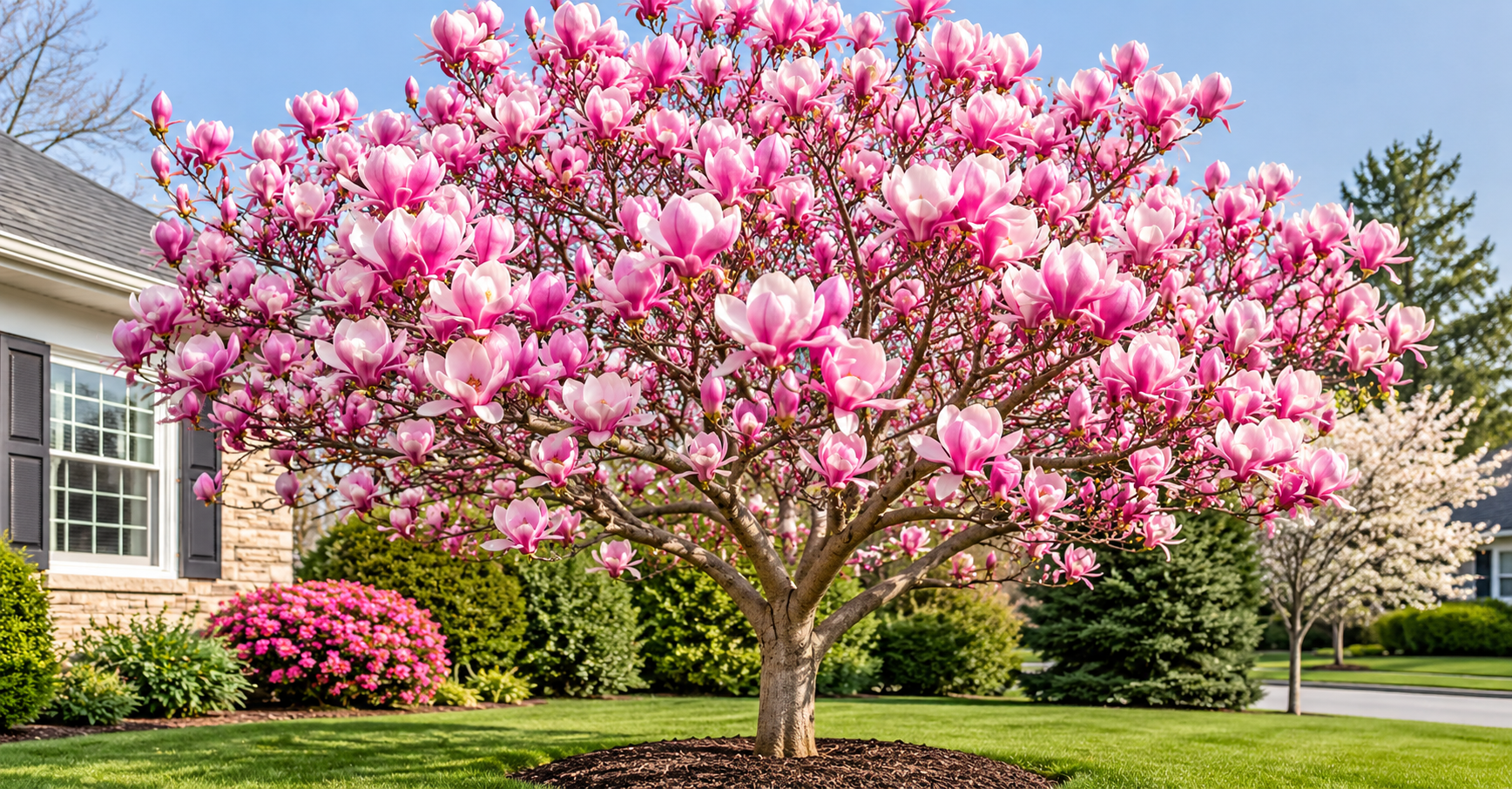
A magnolia flower can be white, cream, yellow, pink, or purple, depending on the species and cultivar. If you want a rose-pink magnolia, look at saucer magnolia cultivars and hybrids with rose-pink flowers, and check the plant tag for the exact color, because shades vary from one cultivar to the next.
Why Magnolia Is Popular as a Landscape Plant
Magnolias offer dramatic flowers, often fragrant, and strong structure: evergreen foliage for southern magnolias, early-spring blooms for saucer and star types, and interesting seed cones in fall. They suit specimen planting, front yards, and, in smaller cultivars, patios and borders.
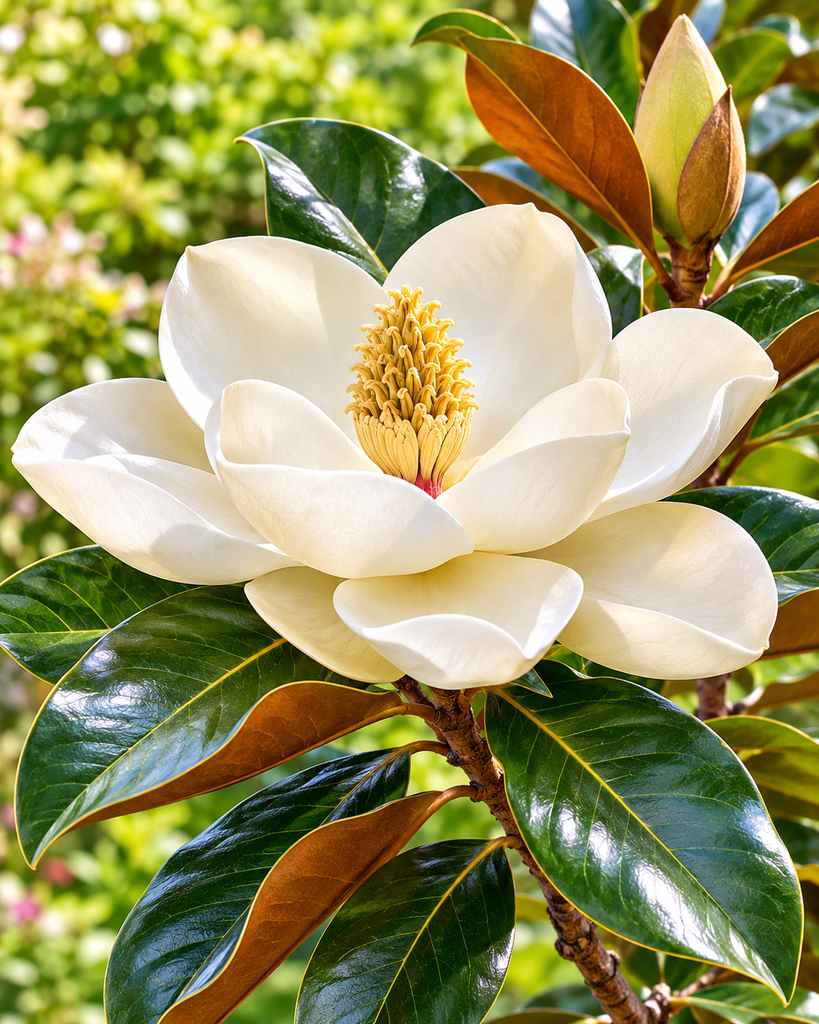
The southern magnolia flower is especially valued for its large size and fragrance. Nursery descriptions of some southern magnolia cultivars, including ‘Alta’, call the scent lemony.
How Long Can a Magnolia Plant Live?
Magnolias are long-lived trees, and mature specimens can stand for many decades or longer. Lifespan varies with species, site, and care, and no single figure fits all types.
2. How Much Sunlight Does Magnolia Need?
The Best Light for Magnolia
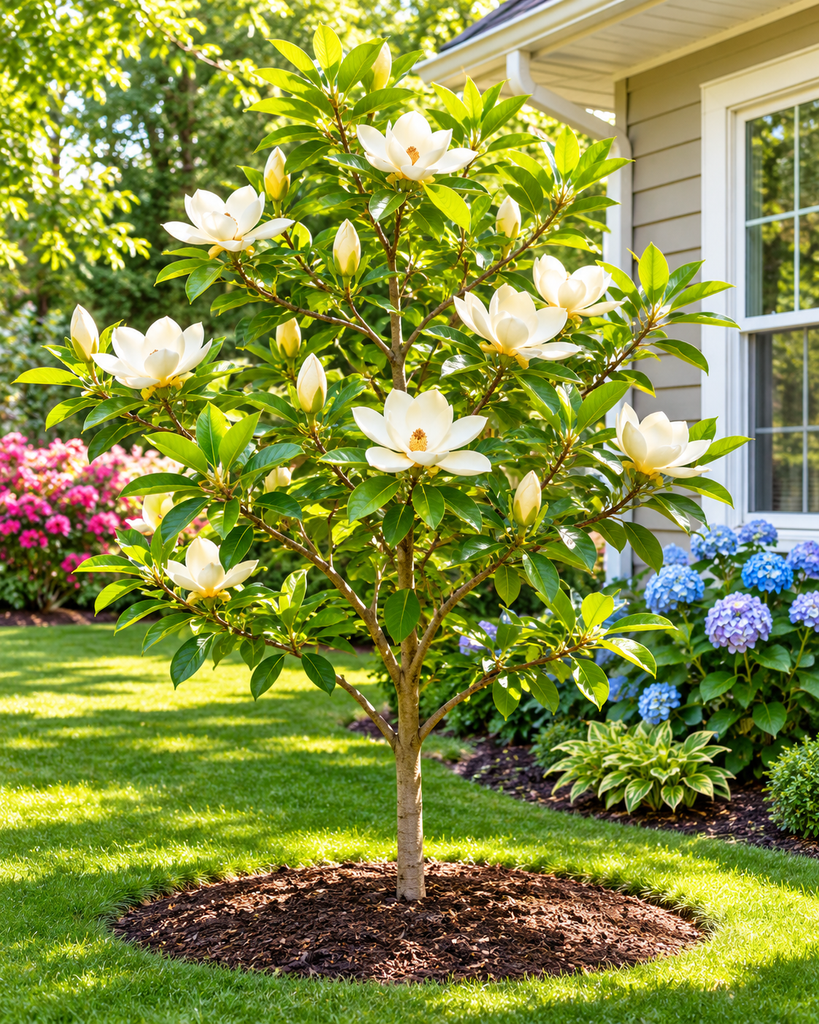
Most magnolias grow best in full sun to part shade, which means at least about six hours of direct sun for the best flowering. In hot southern regions, a little afternoon shade helps, while in cold regions full sun helps ripen wood. Shelter from strong wind protects large leaves and fragile flowers.
Can Magnolia Grow in Direct Sun?
Yes. Southern magnolias thrive in full sun, and saucer and star magnolias bloom well there too. The caution is timing: in cold areas, a spot that warms early in the day can wake buds too soon and expose them to frost.
Signs of Too Much or Too Little Light
- Too little: Few flowers, thin, sparse growth, and leaning branches.
- Too much (rare): Scorched, brown leaf edges, especially on newly planted trees that dry out in hot, windy spots.
Where to Place Magnolia in Your Garden
Plan for the mature size, and keep trees well away from buildings, driveways, and septic lines. For early-blooming types, consider a spot that stays cooler in early spring, such as the north or east side of a building, so buds open later and escape frost. Do not plant where soil stays wet or compacted.
3. How Often Should You Water Magnolia?
How to Tell When Your Magnolia Needs Water
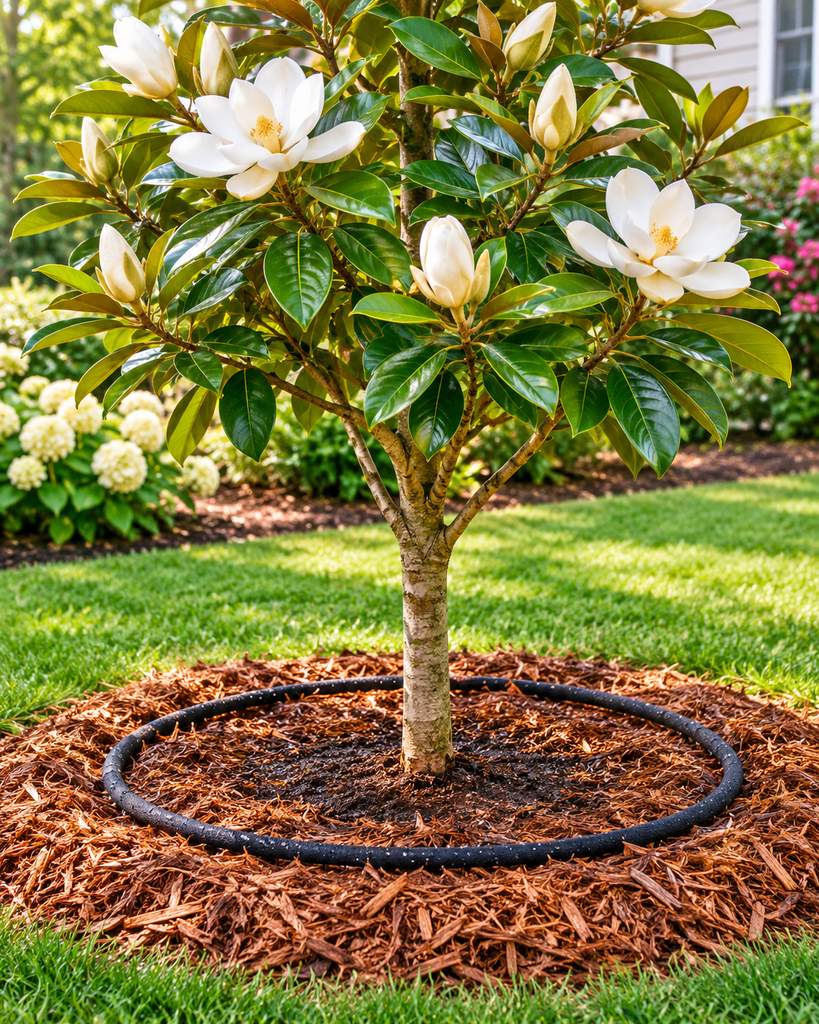
There is no fixed schedule. Newly planted magnolias need regular watering for the first one to two years while roots establish. Check by pushing a finger or trowel several inches into the soil under the mulch. If it is dry at that depth, it is water. Established trees are often fairly drought tolerant but benefit from deep watering in long dry spells.
The Best Way to Water Magnolia
Water slowly and deeply over the root zone, which extends well past the trunk, rather than sprinkling lightly. A soaker hose or slow trickle soaks in better than a quick spray. Keep mulch pulled back a few inches from the trunk.
Magnolia Watering in Summer and Winter
In hot summer weather, young trees may need deep watering every week or so if rainfall is lacking. In winter, evergreen types can still lose water through leaves, so water during dry, unfrozen periods. Deciduous types need little in winter.
Signs of Overwatering and Underwatering
- Overwatering: Yellowing leaves, leaf drop, soft or darkened roots, and soggy soil that does not drain.
- Underwatering: Wilting or curling leaves, brown crispy leaf edges, and early leaf drop, most common on young trees in hot, dry weather.
How to Fix an Overwatered Magnolia
- Stop watering and let the soil dry well below the surface.
- Pull mulch back from the trunk and check for standing water around the root zone.
- Improve drainage if water pools: redirect downspouts, build up the planting area, or aerate compacted soil carefully.
- If the tree keeps declining, consult a certified arborist or your local extension office, since root rot in a large tree is hard to diagnose and treat.
Recommended Products for Watering Magnolia
- 💧 Soaker Hose—Check price on Amazon
- 📏 Soil Moisture Meter (a rough guide only; confirm by digging a few inches down) — Check price on Amazon
4. What Is the Best Soil for Magnolia?
Choosing a Well-Draining Soil
Magnolias like rich, slightly acidic, well-drained soil with plenty of organic matter. Work compost into the planting area, and add organic matter to poor or sandy soil. Do not bury the root flare: set the tree so the top of the root ball is level with or slightly above the surrounding soil. In clay, plant slightly high and avoid pits that collect water. Sweetbay magnolia tolerates wetter soil better than most.
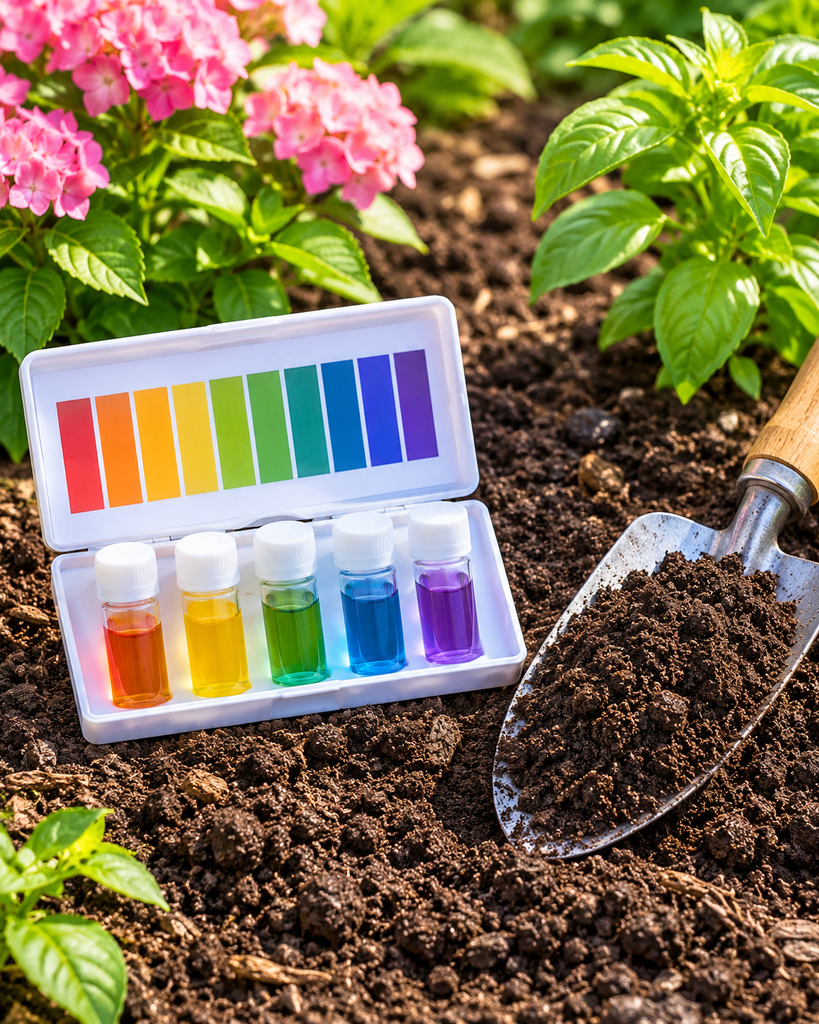
A soil pH test kit shows whether your soil is far from the acidic-to-neutral range magnolias usually prefer, before yellowing leaves appear.
Can You Use Regular Garden Soil or Potting Soil?
Average garden soil works if it drains. Heavy clay should be improved or the tree planted a little high. For container-grown cultivars, use a quality potting mix rather than garden soil, which compacts.
Choosing the Right Pot and Drainage Holes
Most magnolias are too large for containers, but compact cultivars can live in large containers for several years. Use a big, sturdy pot with drainage holes, a quality potting mix, and expect to water more often than for in-ground trees. Container plants are more exposed to winter cold, so protect the roots in cold regions.
How to Prevent Root Rot
Plant in well-drained soil, avoid low spots, keep mulch off the trunk, and water deeply but not too often. Do not compact the root zone with heavy equipment or foot traffic.
Recommended Products for Magnolia Soil and Planting
- 🍂 Shredded Bark or Wood Mulch—Check price on Amazon
- 🧪 Soil pH Test Kit—Check price on Amazon
5. Ideal Temperature and Humidity for Magnolia
The Best Temperature Range
Magnolias grow in a wide range of climates, but the right species depends on your winter lows and summer heat. Southern magnolias like long, warm summers and mild winters, while star and saucer magnolias tolerate colder winters. Many magnolias are hardy in roughly zones 5–9, but ranges differ by species and cultivar, so check the plant tag.
Protecting Magnolia From Cold and Frost
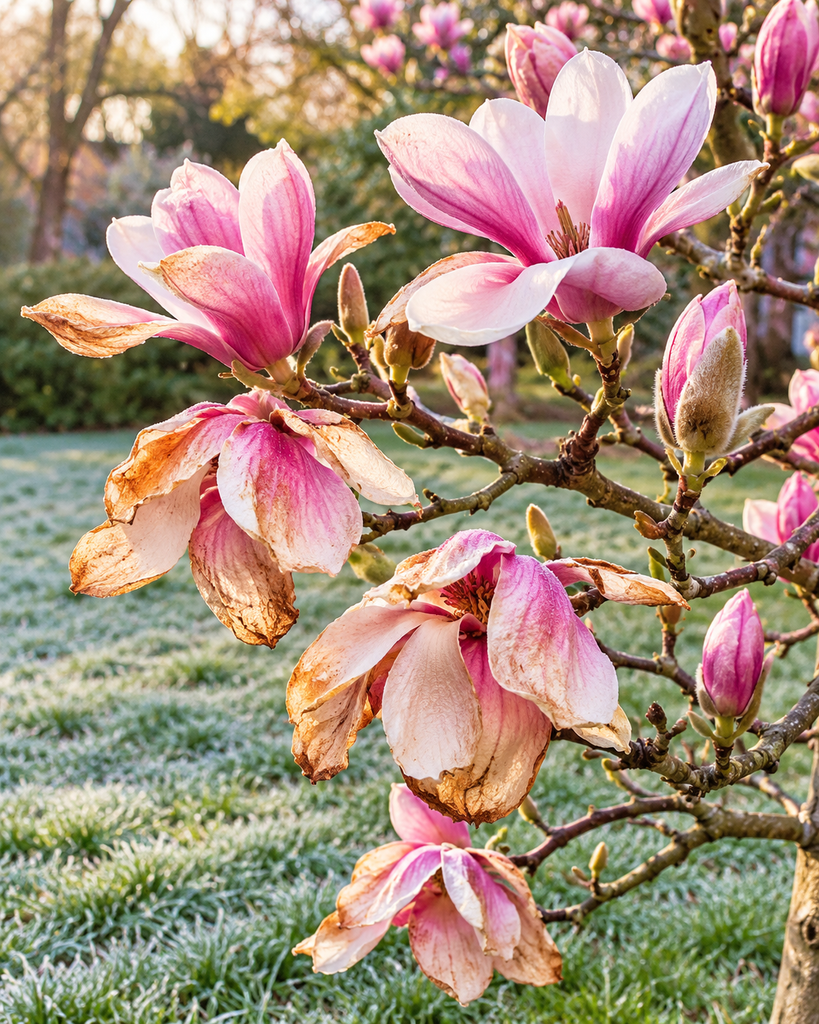
The big risk is not the winter cold but a late spring frost after the buds have swollen or the flowers have opened. Early bloomers such as saucer and star magnolias are especially vulnerable, and frost can turn the petals brown in a night. You cannot always prevent it, but you can reduce the risk by planting in a spot that stays cooler in early spring, choosing later-blooming cultivars, and covering small trees on frost nights. Young, tender trees also benefit from mulch and from protection against winter wind and sun scald.
Does Magnolia Need High Humidity?
No. Magnolias cope with normal outdoor humidity, and southern magnolias thrive in humid summers. In stagnant, damp conditions, fungal leaf spots and powdery mildew can appear, so give trees room and good airflow.
Can You Grow Magnolia Outdoors in the United States?
Yes, in most of the country, with the right species. Southern magnolias are classic in the South and Pacific coast, while saucer, star, and some hybrid magnolias extend north. Native species such as sweetbay and cucumber tree suit eastern regions. Check with your local extension office for the best types for your zone, and note that very hot, dry climates and alkaline soils are harder on magnolias.
Recommended Products for Protecting Magnolia From Frost
- 🧣 Frost Cloth or Plant Covers — Check price on Amazon
6. How and When to Fertilize Magnolia
Choosing a Suitable Fertilizer
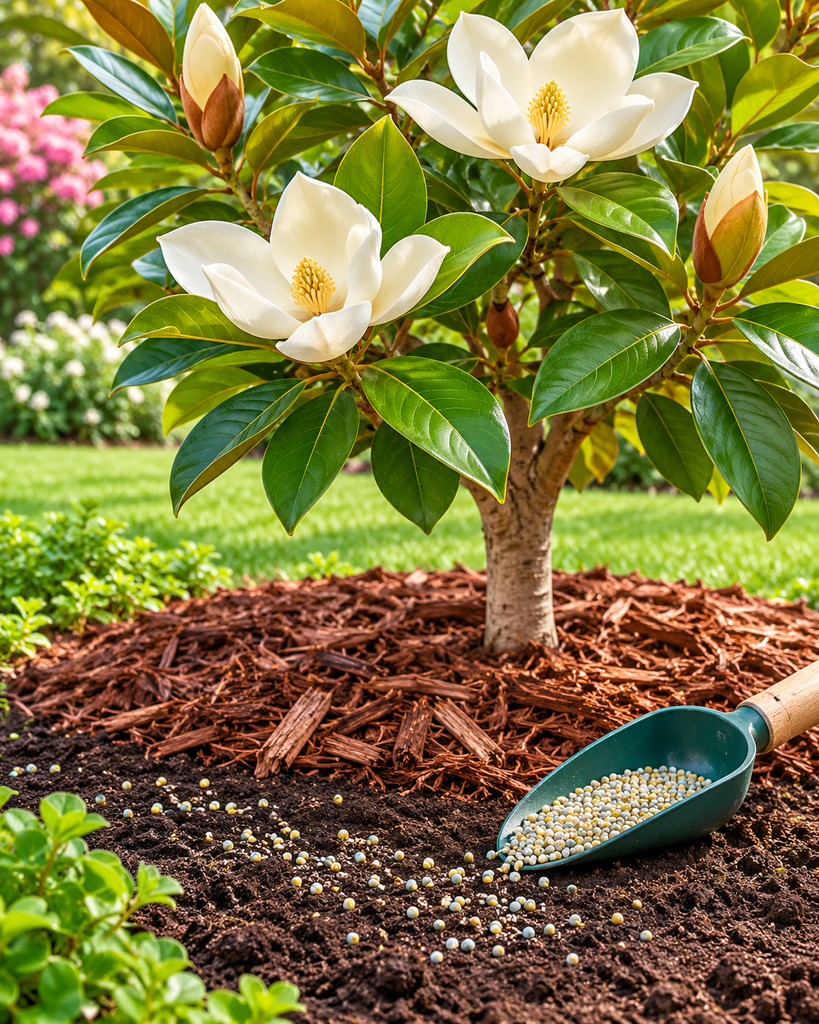
Magnolias are not heavy feeders. Compost and mulch often supply enough, and a soil test is the best way to decide. If you fertilize, a slow-release fertilizer formulated for trees and shrubs, or an acid-forming product if your soil is alkaline, is suitable. Follow the label.
When to Feed Magnolia During Active Growth
Feed young trees lightly in early spring, as growth begins, and avoid feeding late in summer, which can push tender growth before cold weather. Mature, healthy trees in decent soil may need little or no fertilizer. Spread the fertilizer over the root zone, not against the trunk, and water it in.
Fertilizing After Flowering
After flowering, a light feeding can support new growth on young or struggling trees. Do not overdo it, and skip fertilizer if the tree grows vigorously already.
Common Fertilizing Mistakes
- Using high-nitrogen fertilizer, which makes leaves at the expense of flowers.
- Fertilizing late in the season, when new growth cannot harden off before frost.
- Piling fertilizer or mulch against the trunk.
- Fertilizing a drought-stressed or newly transplanted tree without enough water.
Recommended Products for Fertilizing Magnolia
- 🌳 Slow-Release Fertilizer for Trees and Shrubs — Check price on Amazon
7. How to Make Magnolia Bloom Again
Why Your Magnolia Is Not Flowering
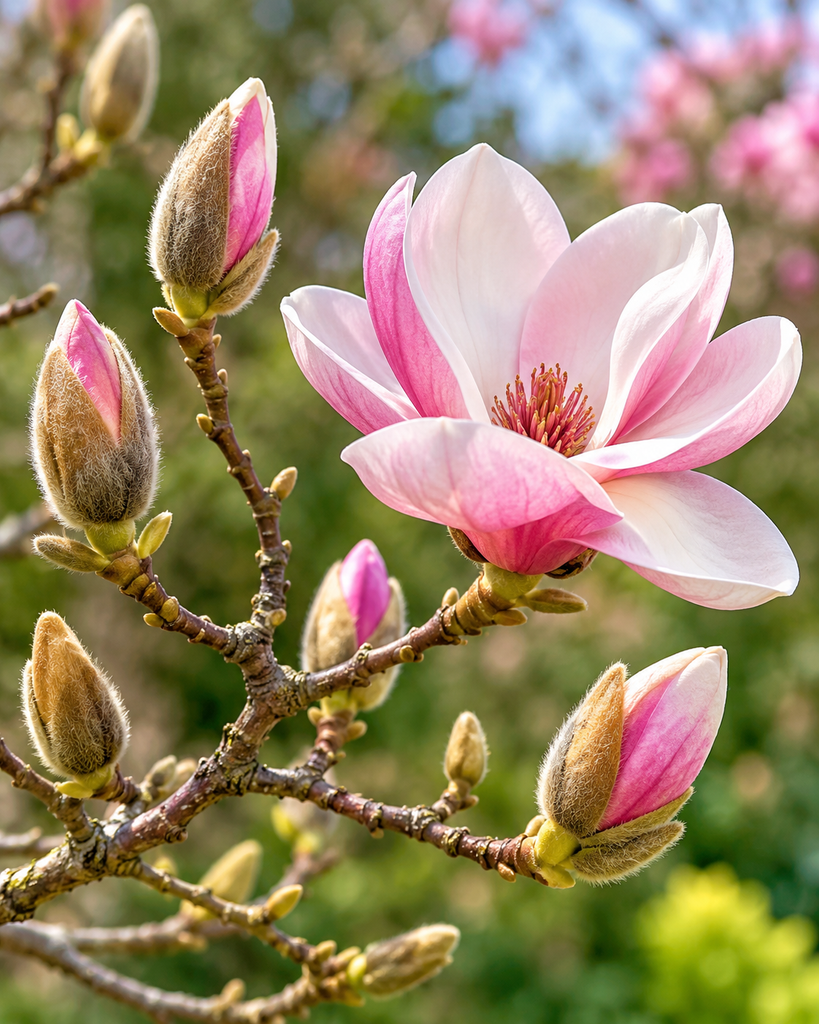
Common causes are a young tree that has not reached flowering size, frost that killed the buds, too much shade, too much nitrogen, drought stress the previous summer, and pruning at the wrong time. Magnolias set next year’s flower buds on last season’s growth, so cutting branches in winter or early spring can remove buds.
If a magnolia flower bud turns brown and drops before it opens, or the open flower browns within a day, frost is the usual suspect, especially on early-blooming saucer and star magnolias.
How Magnolias Bloom: Seasonal Cycles Rather Than a Trigger
Magnolias do not respond to a controlled dark period, and there is no way to force a second flush. Most bloom once in spring, and southern magnolias bloom from late spring into summer, sometimes with a few scattered flowers later. Flowering depends on the tree’s age, health, and last year’s growth.
How to Encourage More Blooms
- Plant in a sunny, sheltered spot with good drainage.
- Water deeply in dry spells, especially in summer when buds form.
- Avoid high-nitrogen fertilizer.
- Prune only right after flowering, and lightly.
- Protect early buds from late frost where possible.
- Be patient with young trees.
How Long Does Magnolia Take to Bloom?
It varies a lot. Nursery-grown trees often flower within a few years of planting, while seed-grown magnolias can take much longer. Species, cultivar, and growing conditions all matter. There is no guaranteed date.
What to Do After the Flowers Fade
Let petals fall, and do any light pruning right after flowering. Keep watering during dry weather, because buds for next year form in summer. Leave seed cones if you like them, as they add fall interest.
8. How to Prune Magnolia for Healthy Growth
When to Prune Magnolia
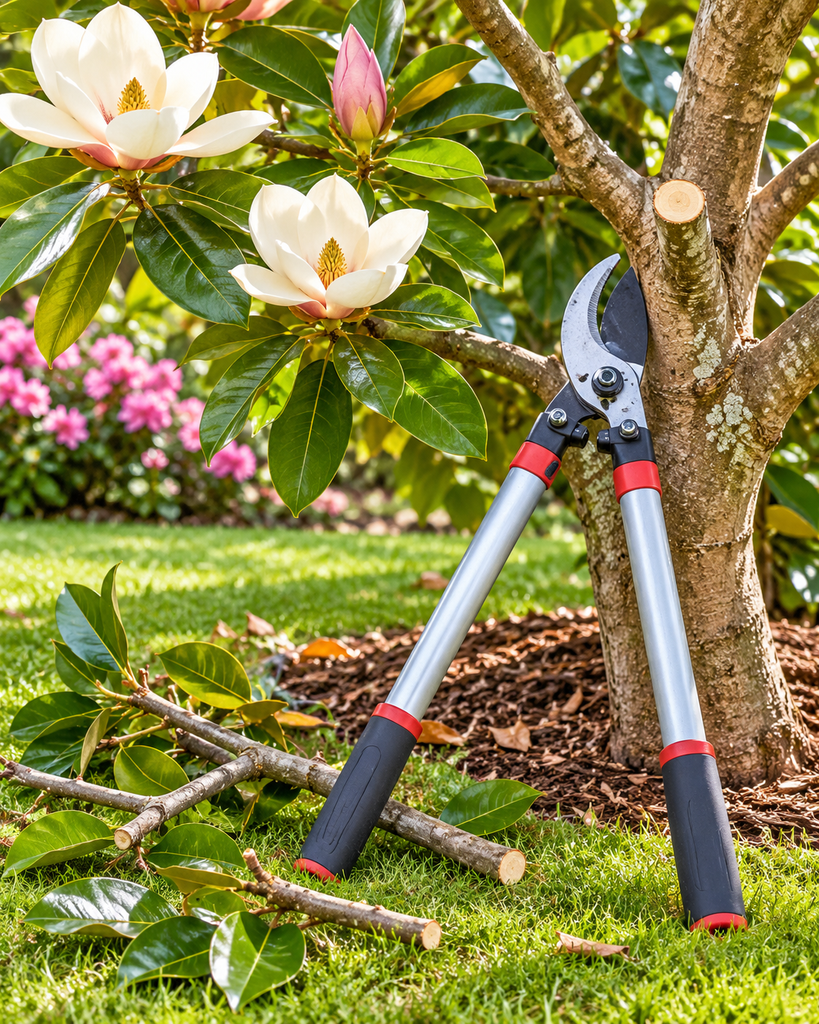
Magnolias need little pruning. The best time is right after flowering, in late spring or early summer, when wounds heal quickly and next year’s buds have not set. Avoid pruning in fall or winter, which can remove buds and expose cuts to cold. Dead, damaged, or diseased wood can be removed at any time.
How to Remove Spent Flowers
Deadheading is not necessary for magnolias, and large trees cannot be deadheaded in any practical way. On small shrubs, you can snip off faded flowers for neatness, but the plant will not bloom more because of it.
How to Fix a Leggy or Overgrown Magnolia
Magnolias dislike heavy pruning. Remove dead wood, crossing branches, and suckers, and shorten overlong branches back to a side branch rather than cutting stubs. If a magnolia has outgrown its space, gradual pruning over several years is safer than one hard cut. Hard pruning of an old tree can stress it and reduce flowering for years.
Should You Cut Back Magnolia After Flowering?
A light shaping right after flowering is fine, but do not cut back hard. Remove no more than a small portion of the canopy in a year. Southern magnolias are often pruned only to raise lower branches or to remove damaged growth.
Recommended Products for Pruning Magnolia
- ✂️ Bypass Hand Pruners and Loppers — Check price on Amazon
- 🪚 Folding Pruning Saw — Check price on Amazon
9. How to Propagate Magnolia at Home
How to Propagate Magnolia From Seed
Seed is possible but slow and unpredictable. Fresh seeds from the red-coated cones need the fleshy coating removed and often need cold, moist stratification before they germinate, and seedlings may not match the parent and can take many years to flower. Seed is best for the curious gardener, not for copying a favorite tree.
How to Propagate Magnolia by Cuttings or Layering
Cuttings of many magnolias are difficult to root at home, though some species and cultivars respond to softwood cuttings in summer with rooting hormone and humidity. Layering, which means pinning a low branch to the soil until it roots, is a more reliable home method for some shrubby types and takes a year or more. Commercial growers often use grafting to reproduce cultivars.
Can You Propagate Magnolia From a Leaf?
No. A leaf cannot grow into a new magnolia.
Is It Better to Buy a Nursery Plant?
For most gardeners, yes. Nursery-grown trees of named cultivars are reliable in flower and form, and they save years of waiting.
How to Care for Newly Propagated Plants
Keep young plants in bright shade, water evenly, and protect them from frost and wind. Pot up slowly, and avoid disturbing the fleshy roots more than necessary.
Recommended Products for Propagating Magnolia
- 🌿 Rooting Hormone Powder — Check price on Amazon
- 🪴 Deep Nursery Pots with Drainage — Check price on Amazon
10. When and How to Repot or Transplant Magnolia
Signs Your Magnolia Needs a Bigger Pot or a New Spot
- A container magnolia whose roots circle the pot or poke from the drainage holes.
- Soil that dries out within a day in warm weather.
- A tree outgrowing its container, or tipping over.
- An in-ground tree planted too close to a house or sidewalk.
Step-by-Step Planting and Repotting Instructions
- Choose a site with the right sun and enough room for the mature size.
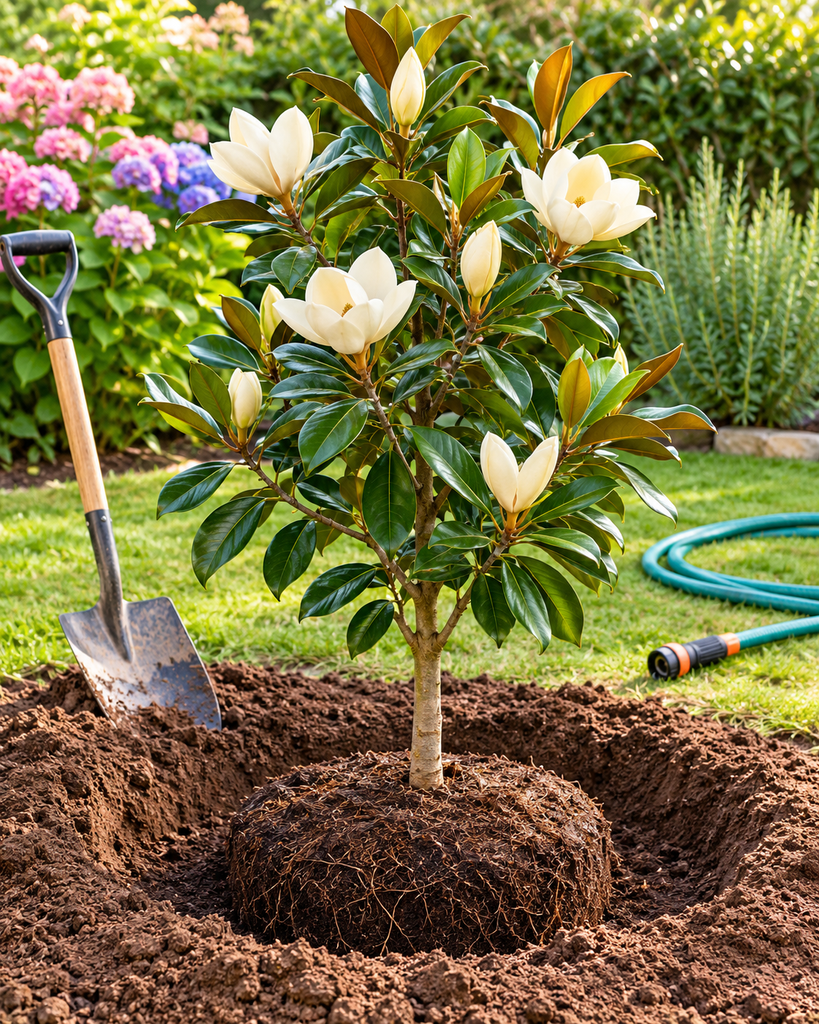
- Dig a wide, shallow hole, about two to three times the width of the root ball and no deeper than it.
- Set the tree so the root flare is level with or slightly above the surrounding soil. Never bury it deeper than it grew in the pot.
- Backfill with the native soil, water well, and add a thick layer of mulch, pulled back from the trunk.
- For containers, step up one pot size at a time, with fresh potting mix.
The Best Time of Year to Plant or Transplant
Spring or fall are generally best, when the weather is mild. Magnolias have fleshy roots that dislike disturbance, so transplant young trees only, and move them as little as possible. Avoid transplanting during heat or drought.
Aftercare to Reduce Transplant Stress
Water deeply and regularly for the first couple of years, mulch, and protect from wind and frost. Do not fertilize heavily at first, and stake only if the tree cannot stand on its own.
Recommended Products for Planting and Repotting Magnolia
- 🧰 Garden Spade or Shovel — Check price on Amazon
- 🪴 Large Containers with Drainage Holes (for compact cultivars) — Check price on Amazon
11. Popular Magnolia Varieties to Grow at Home
Southern Magnolia (Magnolia grandiflora)
The classic evergreen, with large glossy leaves and big, fragrant white flowers from late spring into summer. It grows into a large tree and drops leaves and cones year-round, so allow space and accept some litter. It is generally hardy in zones 6 or 7 through 10, depending on the cultivar.
‘Little Gem’ (Compact Southern Magnolia)
A smaller, more compact cultivar of southern magnolia that is often chosen for small yards and large containers. It tends to flower at a young age, but check the plant tag for mature size and hardiness.
‘Alta’ Southern Magnolia (Magnolia grandiflora ‘Alta’)
Alta magnolia is a narrow, upright form of southern magnolia that suits tighter spaces. The Cornell Woody Plants Database describes ‘Alta’ as fastigiate when young, growing to about 50 feet high by 20 feet wide with tight branching, and notes its potentially superior cold hardiness. The University of Washington Botanic Gardens lists it as a trademarked Monrovia introduction, and nurseries describe large cream-white, fragrant flowers. It may be sold as ‘TMGH’ or Alta™. Check the tag for size and hardiness, since reported mature heights vary by source and climate.
Saucer Magnolia (Magnolia × soulangeana)
A deciduous tree or large shrub with big pink, white, or purple-tinged flowers that open in early spring before the leaves. It is widely grown, but its early flowers are vulnerable to late frost.
Star Magnolia (Magnolia stellata)
A small, slow-growing, multi-stemmed deciduous shrub or small tree with white, strap-petaled flowers in very early spring. It suits small gardens and is hardy in colder zones than southern magnolia, but early blooms can be frost-nipped. The ASPCA lists it as non-toxic to dogs, cats, and horses.
Sweetbay Magnolia (Magnolia virginiana)
A fragrant, smaller magnolia native to the eastern US, with creamy white lemon-scented flowers and silvery-backed leaves, semi-evergreen to evergreen depending on the climate. It tolerates wetter soil than most magnolias.
Cucumber Tree (Magnolia acuminata)
A large, cold-hardy native tree with greenish-yellow flowers that blend into the foliage, valued for its size and for northern hardiness. It needs room.
It is also called cucumber magnolia, a name that refers to its young fruits, which resemble small cucumbers. Its flowers are easy to miss against the leaves, so it is grown more for its size, hardiness, and native character than for showy flowers.
‘Jane’ and Other Late-Blooming Hybrids
Hybrids such as ‘Jane’ flower later than saucer or star magnolias, which can help them escape late frosts. They stay relatively small and suit smaller gardens.
Yellow-Flowered Hybrids (for Example ‘Elizabeth’ and ‘Butterflies’)
Selections with yellow flowers that open a bit later in spring, offering color different from the common pink and white magnolias. Check the plant tag for hardiness and mature size.
How to Choose the Right Magnolia for Your Garden
Choose by space and climate. Small yards suit star magnolia, ‘Little Gem’, or ‘Jane’. Large landscapes can hold southern magnolia or cucumber tree. In frost-prone areas, later-blooming hybrids reduce the risk of ruined flowers. Wet sites suit sweetbay. Always check the plant tag for mature size, hardiness, and sun needs.
| Common name | Botanical name | Appearance | Mature size (approximate) | Light needs | Growing considerations |
|---|---|---|---|---|---|
| Southern magnolia | M. grandiflora | Evergreen, glossy leaves, large white flowers | Large tree | Full sun to part shade | Large; leaf and cone litter |
| ‘Little Gem’ | M. grandiflora cultivar | Compact evergreen, white flowers | Compact; check plant tag | Full sun to part shade | Good for small spaces and containers |
| Saucer magnolia | M. × soulangeana | Pink-and-white cup-shaped flowers on bare branches | Small to medium tree | Full sun to part shade | Early flowers prone to frost |
| Star magnolia | M. stellata | White strap-petaled flowers | Small tree or large shrub | Full sun to part shade | Very early bloom; ASPCA non-toxic |
| Sweetbay magnolia | M. virginiana | Fragrant creamy flowers, silvery leaf undersides | Medium tree or large shrub | Sun to part shade | Tolerates wetter soil |
| Cucumber tree | M. acuminata | Greenish-yellow flowers, large tree | Large tree | Full sun to part shade | Very cold-hardy; needs room |
| ‘Jane’ | Magnolia hybrid | Pink-purple flowers, later bloom | Small tree or large shrub | Full sun to part shade | Later bloom can escape frost |
| Yellow hybrids | Magnolia hybrids | Yellow flowers | Medium tree | Full sun to part shade | Check plant tag for hardiness |
Sizes and hardiness are approximate and vary with cultivar and region. Check each plant tag.
Recommended Products for Growing Magnolia Varieties
- 🏷️ Reusable Plant Labels — Check price on Amazon
12. Common Magnolia Problems and How to Fix Them
Why Are My Magnolia Leaves Turning Yellow?
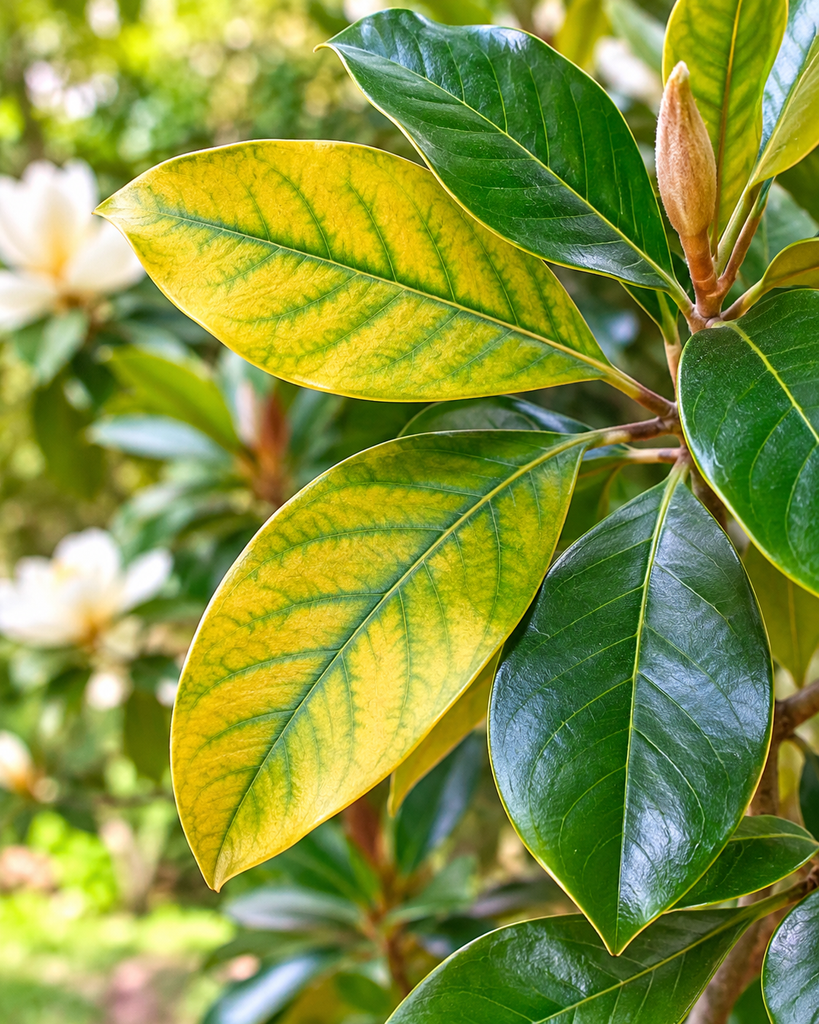
Yellow leaves can come from overwatering, poor drainage, or alkaline soil that makes iron unavailable, which often shows as yellow leaves with green veins. Southern magnolias also shed older leaves naturally, especially in spring and summer. Check soil moisture and pH before treating.
Why Are the Leaves Wilted, Soft, or Mushy?
Wilting with dry soil means thirst, which is common in young trees in hot weather. Wilting with wet soil suggests root problems or soil that is not draining. Soft, discolored areas on branches can point to cankers or disease, which are best diagnosed by an arborist.
Why Is My Magnolia Dropping Leaves?
Evergreen southern magnolias drop old leaves normally. Sudden or heavy leaf drop can come from drought, transplant stress, root damage, waterlogging, or cold. Check the soil, roots, and recent changes.
Why Is My Magnolia Not Growing Well or Staying Sparse?
Poor growth usually means compacted or wet soil, too little sun, a planting that is too deep, or root damage. Check the root flare, loosen compaction at the surface, and mulch.
Brown Leaf Edges and Frost Damage
Brown, crispy leaf edges can come from drought, wind, winter burn on evergreen types, or salt. Brown, limp flowers right after opening point to frost. Damaged leaves and flowers will not recover, but healthy trees usually grow new foliage.
Common Magnolia Pests and Diseases and How to Manage Them
Magnolia scale insects can cover twigs and produce sticky honeydew, leading to black sooty mold. Leaf spots and powdery mildew can appear in humid weather, and canker or wilt diseases can kill branches. Improve airflow, water the roots rather than the leaves, remove dead branches, and use horticultural oil or another labeled product for scale, following the label. For large trees with dieback or cankers, consult a certified arborist.
How to Tell Whether Your Magnolia Can Be Saved
Scratch a small twig with a fingernail. Green tissue underneath means it is alive. A tree with live buds and green wood can often recover from drought or frost. A tree with a rotten, hollow trunk or widespread dieback may need professional assessment.
| Symptom | Possible cause | How to confirm | Recommended solution |
|---|---|---|---|
| Yellow leaves with green veins | Iron deficiency from alkaline soil | Soil pH test; new leaves affected first | Test soil; use an acidifying or iron product as directed |
| Yellow leaves, wet soil | Overwatering or poor drainage | Soil is soggy; water pools | Reduce watering; improve drainage; pull mulch back |
| Wilting leaves, dry soil | Drought or heat stress | Soil is dry several inches down | Water deeply; mulch; water regularly while young |
| Browned petals right after opening | Late frost | Recent freeze after buds swelled | Protect buds next year; choose later bloomers |
| Brown edges on evergreen leaves | Winter burn, wind, or drought | Damage on exposed side | Water during dry winter spells; shelter from wind |
| Sticky leaves, black film | Magnolia scale and sooty mold | Bumps on twigs; black film wipes off | Horticultural oil as labeled; wash off mold |
| White powdery film | Powdery mildew | Film wipes off | Improve airflow and sun; remove affected leaves |
| Dead branches or sunken bark | Canker or disease | Dark, sunken areas on bark | Remove dead wood; consult an arborist |
| No flowers | Young tree, frost, shade, or wrong pruning | Tree age; site; pruning history | Be patient; prune only after flowering; add sun |
| Leaf litter all year | Normal for southern magnolia | Old leaves drop; new growth appears | Rake and compost, or use as mulch |
Recommended Products for Magnolia Problems
- 🧴 Horticultural Oil (use only as directed on the label) — Check price on Amazon
- 🧪 Chelated Iron Supplement for Plants — Check price on Amazon
13. Is Magnolia Toxic to Cats and Dogs?
What Pet Owners Should Know About Magnolia
The evidence points to low risk, but it is not perfectly clear-cut. The ASPCA lists star magnolia (Magnolia stellata) as non-toxic to dogs, cats, and horses, and the Lady Bird Johnson Wildflower Center reports no magnolia listed in the ASPCA toxic section. The same expert answer notes that a University of California page lists some magnolia species in a toxic section, so sources do not fully agree. Because I could not verify every species, treat all magnolias as low risk but not guaranteed safe, especially for pets that chew a lot. Eating any plant can cause stomach upset such as vomiting or diarrhea.
How to Keep Magnolia and Pets Safe Together
Keep pets from chewing on branches, seed cones, and fallen leaves, particularly young animals that may swallow pieces. Rake up cones and large leaf piles where pets play. Keep mulch, fertilizers, and any treatments away from pets, and read the label of any scale or fungal product before using it around animals.
What to Do if a Pet Eats Magnolia
A small nibble is usually not a concern, but watch for vomiting, diarrhea, drooling, or lethargy. If your pet eats a lot of the plant, shows symptoms, or may have eaten a treated tree or fertilizer, call your veterinarian or the ASPCA Animal Poison Control Center at (888) 426-4435 (a consultation fee may apply). Tell them which magnolia species you have.
14. Seasonal Magnolia Care Calendar
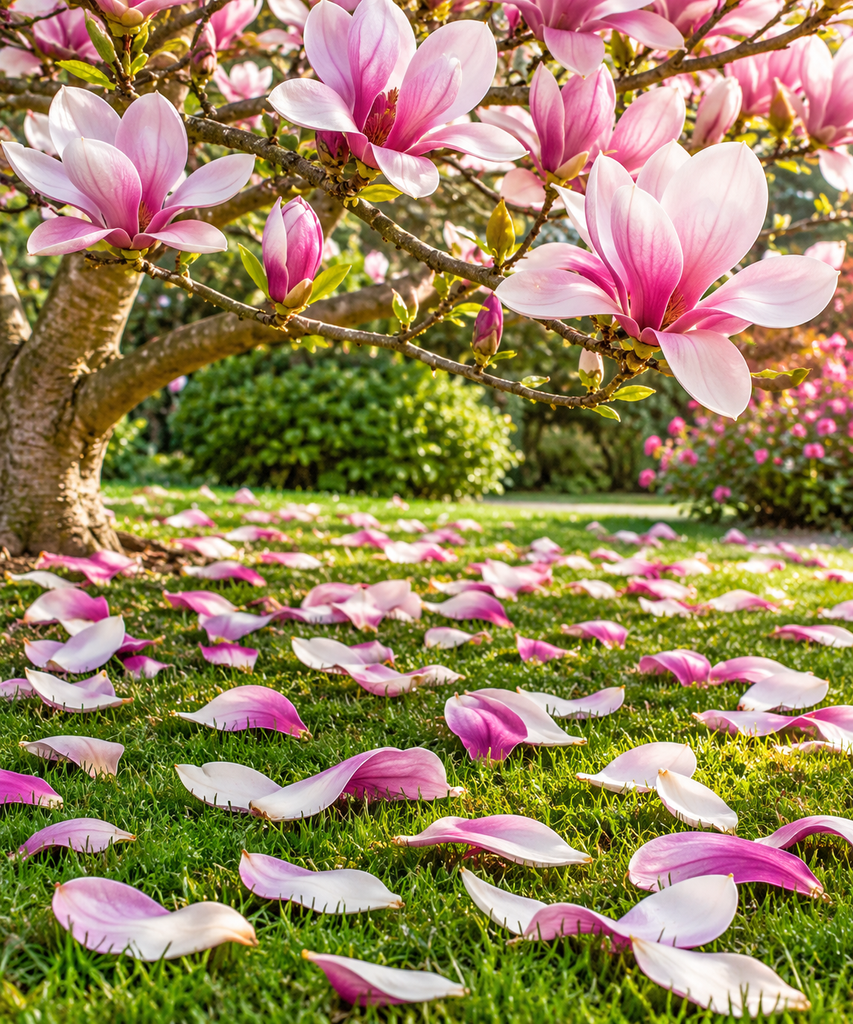
Timings below are general for US gardens. Regional climate, the magnolia type, and your hardiness zone change the schedule.
Spring: Encourage New Growth
Enjoy early blooms, protect buds on frost nights, and plant new trees. Prune right after flowering, spread fresh mulch, and apply a light slow-release fertilizer to young trees if needed.
Summer: Manage Sunlight and Watering
Water young trees deeply during dry spells, keep mulch topped up, and watch for scale and leaf spots. Buds for next year form now, so avoid drought stress.
Fall: Prepare for Winter
Stop fertilizing, enjoy seed cones and fall color on deciduous types, and plant or transplant young trees in mild weather. Do not prune now. Water during dry fall weather before the ground freezes.
Winter: Protect the Plant and Support Bud Formation
Protect young trees from wind and sun scald, water evergreen types during dry, unfrozen spells, and keep mulch off the trunk. Do not prune healthy wood, since you could remove flower buds.
15. Frequently Asked Questions About Magnolia Plant Care
Is Magnolia an Indoor or Outdoor Plant?
Outdoor. Magnolias are trees and large shrubs that need sun, space, and winter cold. Compact cultivars can live in large patio containers, but they do not suit indoor growing.
How Often Should You Water a Magnolia?
Water newly planted trees deeply and regularly for the first one to two years, usually weekly in dry weather. Established trees need water mainly during extended dry spells. Check the soil rather than following a fixed schedule.
Does Magnolia Need Direct Sunlight?
Most magnolias grow best in full sun to part shade, with at least about six hours of sun for good flowering. In hot regions, some afternoon shade helps.
Can Magnolia Bloom More Than Once?
Most bloom once in spring, and southern magnolias bloom from late spring into summer and sometimes produce scattered flowers later. There is no reliable way to force a second flush.
Should You Remove Dead Magnolia Flowers?
No, it is not necessary. Fallen petals can be left or raked, and removing spent flowers does not make the tree bloom more.
Can Magnolia Survive Winter?
Many can. Hardiness varies by species, so choose one rated for your zone. In marginal zones, mulch, wind protection, and frost protection for buds help. Late spring frost damages flowers more than winter cold harms the tree.
Can You Grow Magnolia From a Single Leaf or Cutting?
Not from a leaf. Cuttings are difficult at home, and seed is slow and variable. Buying a nursery-grown tree is usually the best route.
Why Is My Magnolia Healthy but Not Blooming?
Usually, the tree is too young, the flower buds were killed by frost, it gets too much shade or nitrogen, or it was pruned at the wrong time. Give it sun, avoid heavy fertilizing, and prune only right after flowering.
Final Thoughts on Growing a Healthy Magnolia
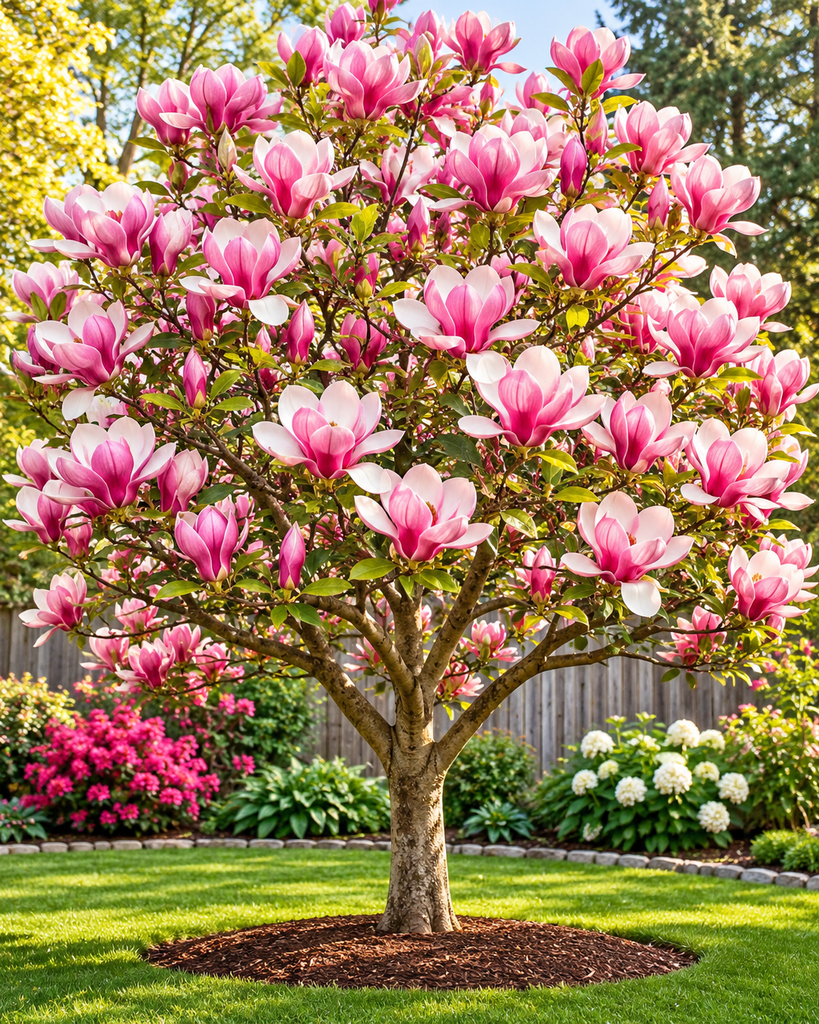
Healthy magnolias come from the right tree in the right place: sun, shelter, rich, slightly acidic, well-drained soil, and a thick layer of mulch kept off the trunk. Water deeply while young, fertilize lightly, prune only right after flowering, and protect early blooms from late frost. Choose a variety that fits your zone and space, and check pet safety for your specific species. Start by checking drainage and the root flare, because planting depth and soggy soil cause more magnolia problems than anything else.