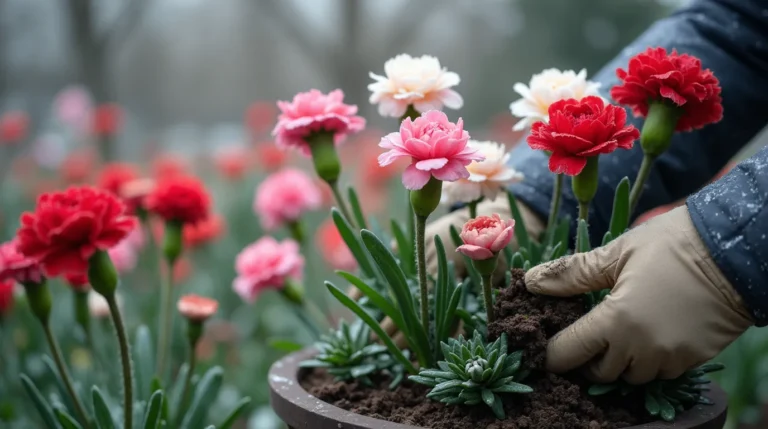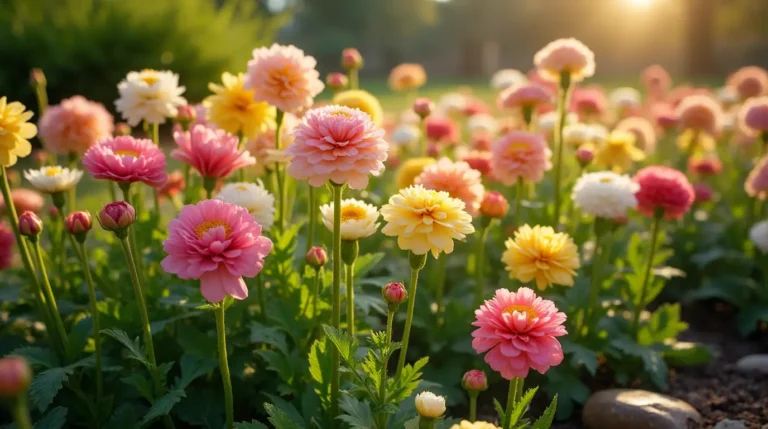

Anemone Plant Care 101: How to Grow, Prune & Rebloom
This article may contain affiliate links. As an Amazon Associate, I earn from qualifying purchases at no extra cost to you.
Anemones, also called windflowers, are flowering plants in the buttercup family that range from tiny spring woodland carpets to tall late-summer garden perennials. Anemone plant care depends on which type you have: poppy anemones (Anemone coronaria) and Grecian windflowers (A. blanda) grow from dried corms, wood anemones from rhizomes, and Japanese anemones from fibrous roots. Despite the differences, most share a few needs: well-drained soil that never stays soggy, the right amount of light for the species, steady moisture while growing, and protection from hard freezes where they are not hardy. This guide explains how to plant, water, prune, divide, and keep anemones blooming and what to know about their toxicity to pets.
Recommended Products for Getting Started With Anemones
- 🌷 Anemone Corms for Planting: Check price on Amazon
- 🌱 Well-Draining Potting Mix for Containers: Check price on Amazon
- 🪴 Pots with Drainage Holes and Saucers: Check price on Amazon
Anemone Plant Care at a Glance
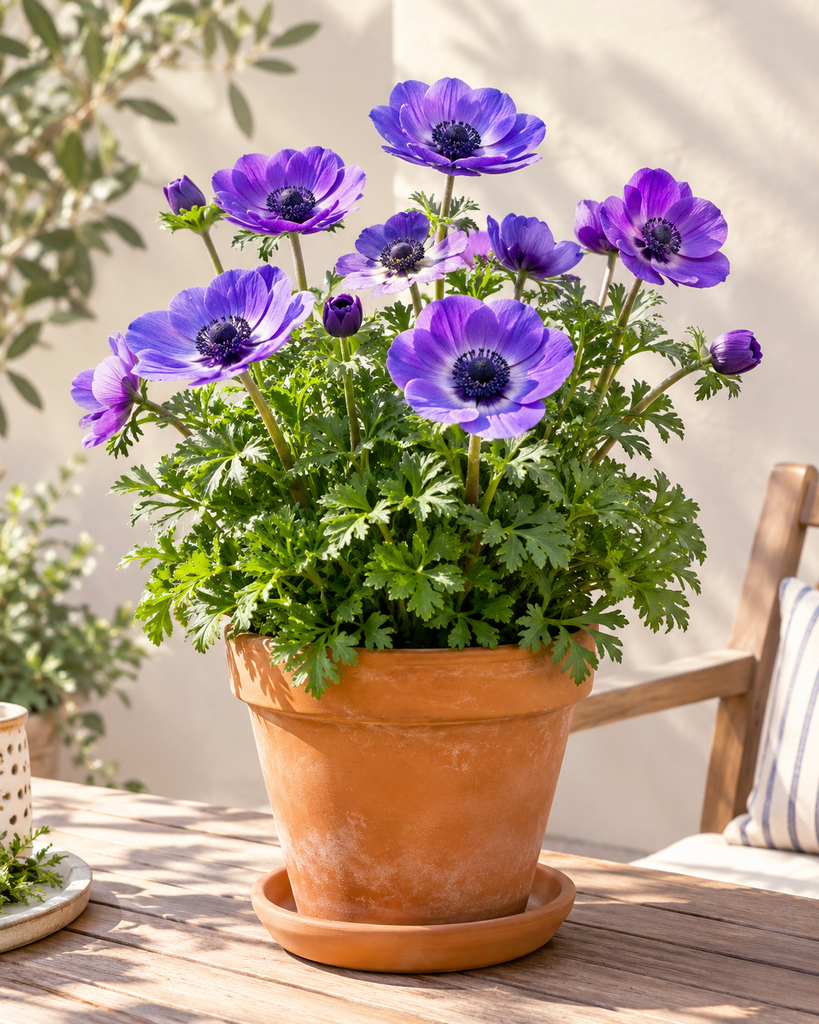
Anemone Care Requirements
Anemone is a large genus, so the table gives general ranges. Check which type you have before applying them.
| Factor | What it needs | Key detail |
|---|---|---|
| Light | Poppy anemone: full sun to light shade. Japanese anemone: part shade. Wood anemone: woodland shade | Too much afternoon sun in hot regions can scorch leaves |
| Watering | Keep evenly moist while growing, never waterlogged | Dry corms need little water until they sprout |
| Soil | Well-drained, organic-rich soil | Heavy, wet clay is a common cause of rot |
| Temperature | Varies by type. Poppy anemone is the least cold-tolerant; many others are hardy roughly in zones 4–8 | Check the hardiness of your exact species |
| Fertilizer | Light feeding in spring | Compost or a balanced fertilizer; too much nitrogen favors leaves over flowers |
| Flowering | Spring for poppy, Grecian, and wood anemones; late summer to fall for Japanese anemones | Corm types go dormant after flowering |
Indoor vs. Outdoor Growing Conditions
Anemones are mainly garden and container plants. Outdoors, they suit borders, woodland edges, cutting gardens, and pots on a patio. Indoors, they are short-term guests: potted poppy anemones sold as spring gift plants can bloom inside in a bright, cool room, but they rarely thrive for long in a warm house and are usually moved outside or allowed to go dormant afterward.
How Difficult Is Anemone to Grow?
It depends on the type. Japanese anemones and wood anemones are generally easy once established. Poppy anemones are rewarding but fussier: dried corms need rehydrating, they dislike wet soil, and they are not reliably hardy in cold climates. The most common failures are rot from soggy soil, planting corms too deep or upside down, and too much shade.
1. What Is an Anemone Plant?
Botanical Background and Growth Habits
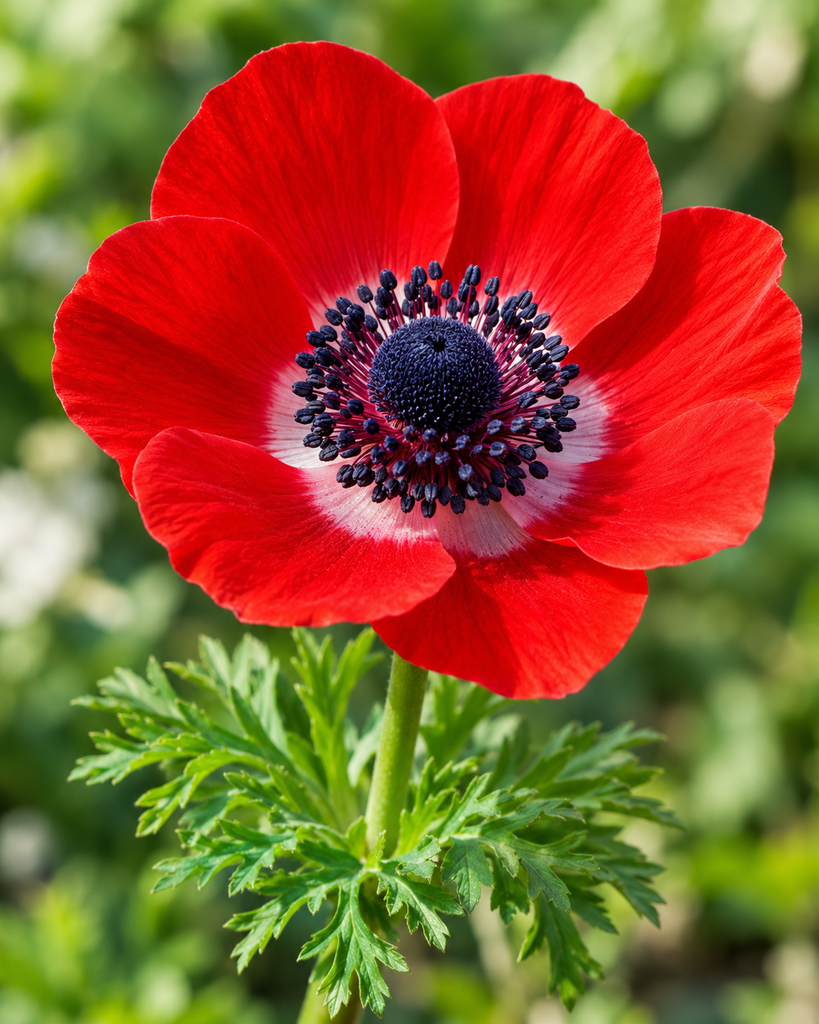
Anemones belong to the buttercup family (Ranunculaceae). The genus contains well over a hundred species, found mostly in the northern hemisphere. What look like petals are technically colored sepals, and the flowers often have a dense center of stamens.
Gardeners usually sort them by how they grow:
- Corm-forming: poppy anemone (A. coronaria) and Grecian windflower (A. blanda) grow from small, knobby, dry-looking storage organs that are sold as bulbs.
- Rhizomatous: wood anemone (A. nemorosa) and Canada anemone (A. canadensis) spread by creeping underground stems.
- Fibrous-rooted: Japanese anemones (A. × hybrida and related species) form clumps that bloom in late summer and fall. Some botanists place them in a separate genus, Eriocapitella, so you may see either name.
Why Anemone Is Popular as a Garden Plant
Anemones offer flowers at times when borders are quiet: early spring for corm and woodland types, and late summer into fall for Japanese anemones. Poppy anemones are popular cut flowers, and many types are bothered less by deer and rabbits than other perennials, though no plant is guaranteed to be left alone.
How Long Can an Anemone Plant Live?
Japanese anemones can form long-lived clumps that persist for many years. Wood and Canada anemones spread and persist for years as well. Poppy anemone corms often decline after a season or two, and in cold regions they are commonly grown as annuals and replaced. Lifespan varies with species, climate, and drainage.
2. How Much Sunlight Does Anemone Need?
The Best Light for Anemones
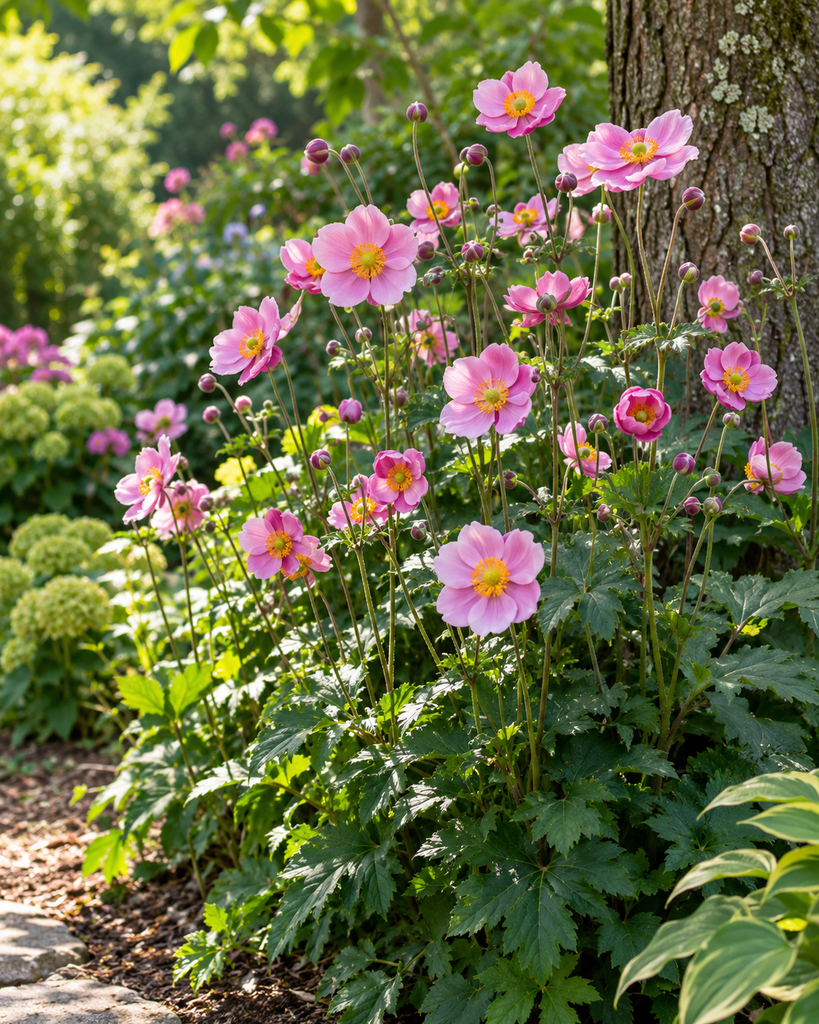
Light needs follow the species. Poppy anemones prefer full sun to light shade and bloom best with plenty of light. Japanese anemones do well in part shade, with morning sun and afternoon protection in hot regions. Wood anemones and Grecian windflowers suit the dappled light of deciduous trees, where they get sun in early spring before the leaves open.
Can anemone grow in direct sun?
Many can, within limits. Poppy anemones tolerate full sun in cool regions, but intense afternoon sun in hot climates can burn leaves and shorten the flowering season. Japanese anemones in full sun need consistently moist soil or the foliage will scorch. Woodland types usually decline in hot, sunny, dry spots.
Signs of Too Much or Too Little Light
- Too much: Scorched, crispy leaf edges; wilting in the afternoon even with moist soil; short flowering season.
- Too little: Few or no flowers, floppy and stretched stems, and leaves that look lush but flowerless.
Where to Place Anemone in Your Garden or on a Patio
Plant poppy anemones in a bright spot with excellent drainage, such as a raised bed or sunny container. Place Japanese anemones where they get morning light and some afternoon shade, ideally sheltered from strong wind. Put woodland types under deciduous trees or shrubs. Give spreading types room, because they can crowd neighbors over time.
3. How Often Should You Water Anemone?
How to Tell When Your Anemone Needs Water
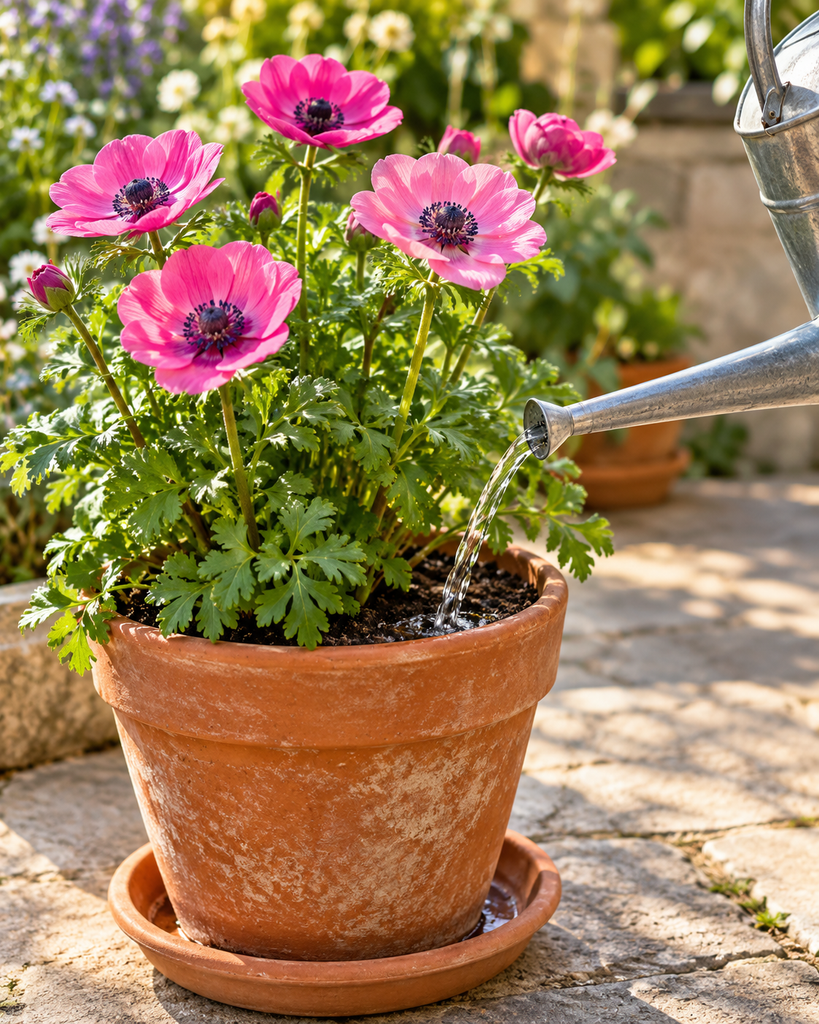
There is no fixed schedule. Rainfall, soil type, temperature, and whether the plant is in a pot all change how fast the soil dries. Push a finger about an inch or two into the soil. If it is dry at that depth, water. If it feels damp, wait. Newly planted corms need only enough moisture to settle the soil until they sprout, because soggy soil can rot them before they grow.
The Best Way to Water Anemone
Water deeply at the base, wetting the root zone rather than the flowers and foliage, then let the soil drain. In pots, water until it runs from the drainage holes and empty the saucer. Morning watering lets leaves dry during the day, which reduces fungal problems.
Anemone Watering in Summer and Winter
During active growth and bloom, keep the soil evenly moist, especially for Japanese anemones, which dislike drying out in summer. Corm types go dormant after flowering and should not be kept wet then. In winter, outdoor plants usually need little supplemental water, and dormant corms in cold, wet soil are at risk of rot.
Signs of Overwatering and Underwatering
- Overwatering: Yellowing leaves, soft or mushy corms, stems collapsing at the base, mold on the soil surface, and slow or failed sprouting.
- Underwatering: Wilting that does not recover overnight, crisp leaf edges, flower buds that dry or fail to open, and Japanese anemone foliage browning in summer.
How to Fix an Overwatered Anemone
- Stop watering and let the soil dry to a few inches deep.
- Improve drainage: move potted plants out of rain, tip out standing water, and lighten heavy soil with compost or grit before replanting.
- If a plant is collapsing, lift it and inspect it. Firm corms or roots are healthy. Brown, soft, or foul-smelling ones are rotting.
- Cut away rotted parts, let the plant dry briefly, and replant in fresh, well-drained soil. Corms that are completely mushy cannot be saved.
Recommended Products for Watering Anemone
- 💧 Narrow-Spout Watering Can—Check price on Amazon
- 📏 Soil Moisture Meter (a rough guide only; confirm with your finger) — Check price on Amazon
4. What Is the Best Soil for Anemone?
Choosing a Well-Draining Soil Mix
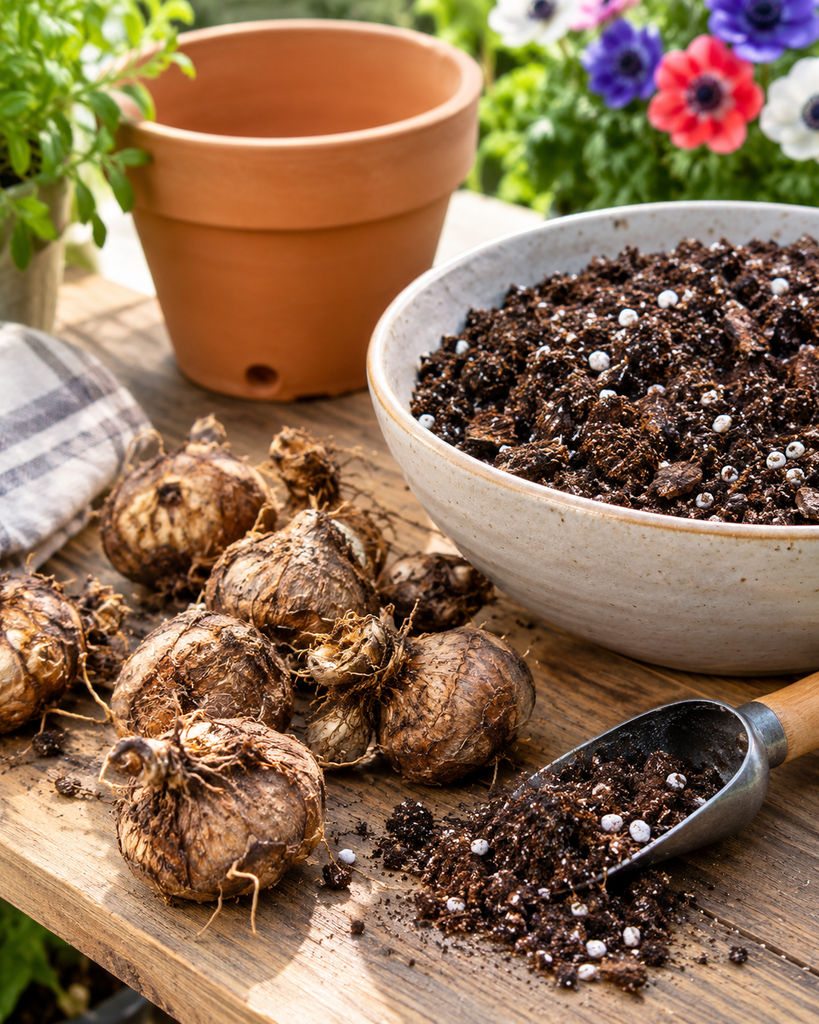
Anemones like soil that holds some moisture but drains freely. In the ground, loosen the planting area and work in compost, and add coarse grit or build a raised bed if your soil is heavy clay. In containers, use a quality potting mix blended with perlite or coarse sand for faster drainage. Poppy anemones are especially prone to rot in wet soil. Japanese and wood anemones accept richer, more moisture-retentive soil, as long as water does not sit around the roots.
Can You Use Regular Garden Soil or Potting Soil?
Plain garden soil from the yard compacts in pots and drains poorly, so avoid it in containers. Ordinary potting mix can work if it is light and you add perlite. In beds, ordinary garden soil is fine if it drains well and has been improved with compost.
Choosing the Right Pot and Drainage Holes
For poppy anemones or Grecian windflowers in containers, choose a pot with drainage holes at least 6–8 inches deep and wide enough to space several corms a few inches apart. Terracotta dries faster than plastic, which helps in wet climates. Do not plant in a pot without holes, and avoid leaving the saucer full of water.
How to Prevent Rot
Use well-drained soil, plant corms at the right depth (about 2–3 inches for most), and avoid watering heavily before they sprout. Do not plant corms into very dry, dusty soil either, since it can pull moisture from them. Space plants for air circulation and keep mulch from piling against crowns.
Recommended Products for Anemone Soil and Pots
- 🌱 Well-Draining Potting Mix for Containers—Check price on Amazon
- 🪴 Terracotta Pots with Drainage Holes and Saucers—Check price on Amazon
5. Ideal Temperature and Humidity for Anemone
The Best Temperature Range
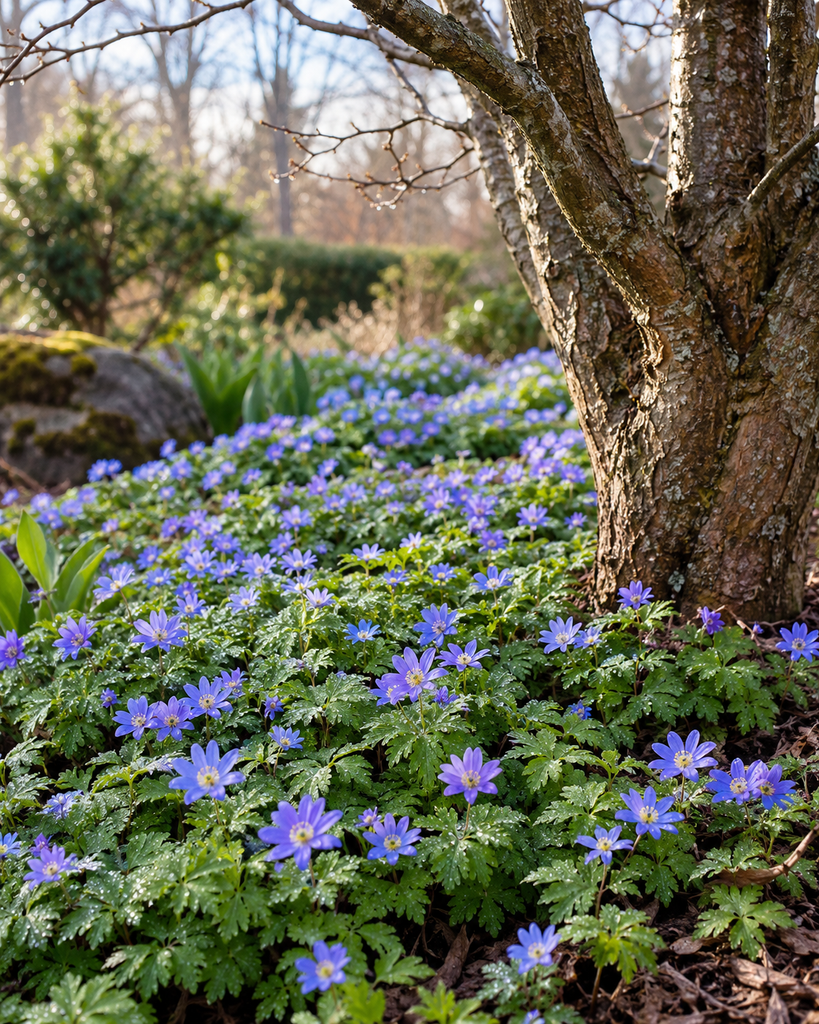
Most anemones prefer cool to moderate weather during growth and bloom. Spring-flowering types are at their best in cool spring temperatures and fade quickly in summer heat. Japanese anemones are more heat-tolerant but still benefit from some shade in hot regions.
Protecting Anemone From Cold and Frost
Hardiness varies by type. Many wood, Grecian, Canada, and Japanese anemones are reliably hardy in roughly USDA zones 4–8, while poppy anemone is the tender one: it tolerates light frost but hard freezes can kill the corms. Where winters are cold, plant poppy anemones in spring, grow them in pots that can be moved to a frost-free spot, or treat them as annuals. In cold zones, mulch over perennial types after the ground begins to freeze.
Does Anemone Need High Humidity?
No. Outdoor plants cope with normal humidity, and humid, stagnant air can encourage fungal diseases such as mildew. Space plants and avoid crowding.
Can You Grow Anemone Outdoors in the United States?
Yes, but choose the type for your region. Japanese, wood, and Grecian anemones suit many northern and mid-Atlantic gardens. Poppy anemones do well as fall-planted, spring-flowering plants in mild-winter areas such as parts of the South and West Coast, and as spring-planted plants in colder regions. In hot, humid climates they struggle in summer. Some spreading species can become assertive in gardens, so check with your local extension office for advice specific to your state.
6. How and When to Fertilize Anemone
Choosing a Suitable Fertilizer
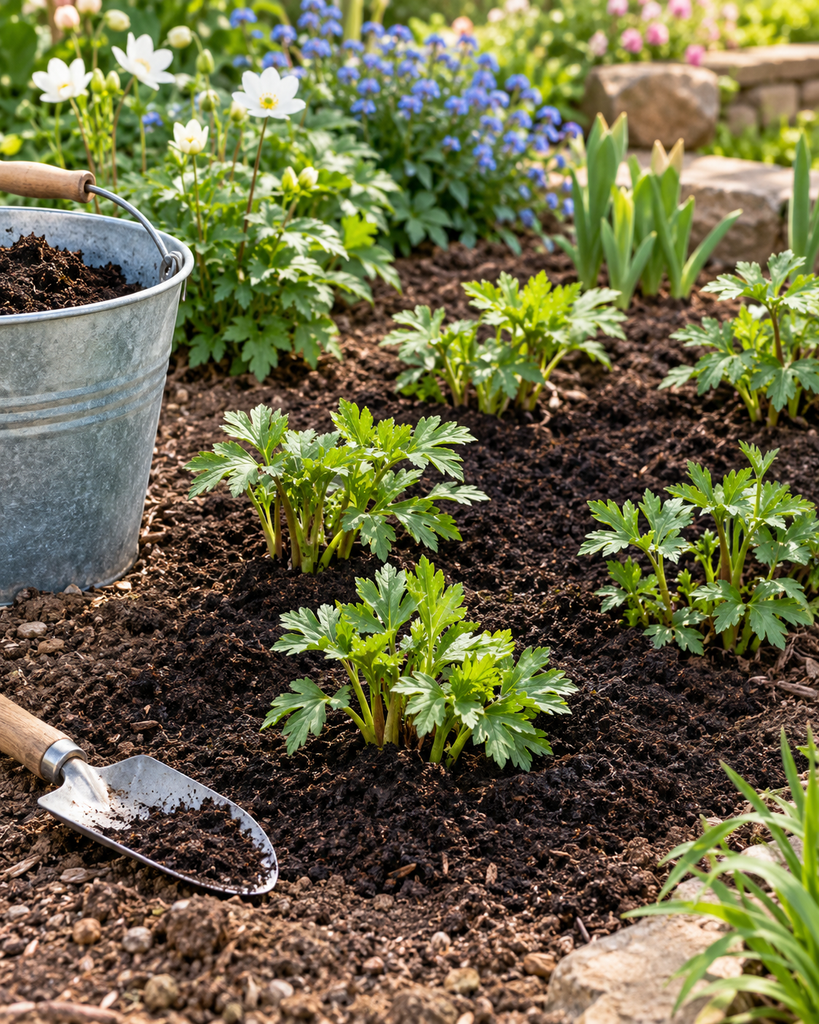
Anemones are not heavy feeders. Compost worked into the soil at planting time and spread as a top-dressing in spring is often enough. If you use fertilizer, choose a balanced product or one formulated for bulbs and flowers, following the label.
When to Feed Anemone During Active Growth
Feed lightly as new growth emerges in spring, and again as flower buds form if plants look pale or the soil is poor. For potted plants, a half-strength liquid feed every few weeks during growth is plenty. Japanese anemones benefit from compost each spring.
Fertilizing After Flowering
After spring bloom, corm types are storing energy for next year (or going dormant). A light feed while the foliage is still green can help, but stop once leaves yellow. Japanese anemones need no extra feeding after bloom.
Common Fertilizing Mistakes
- Using high-nitrogen fertilizer, which pushes leaves at the expense of flowers.
- Fertilizing dormant corms or plants with no foliage.
- Applying fertilizer at full strength to potted plants, which can burn roots.
- Fertilizing dry soil without watering it in.
Recommended Products for Fertilizing Anemone
- 🌸 Balanced or Bulb Fertilizer — Check price on Amazon
7. How to Make Anemone Bloom Again
Why Your Anemone Is Not Flowering
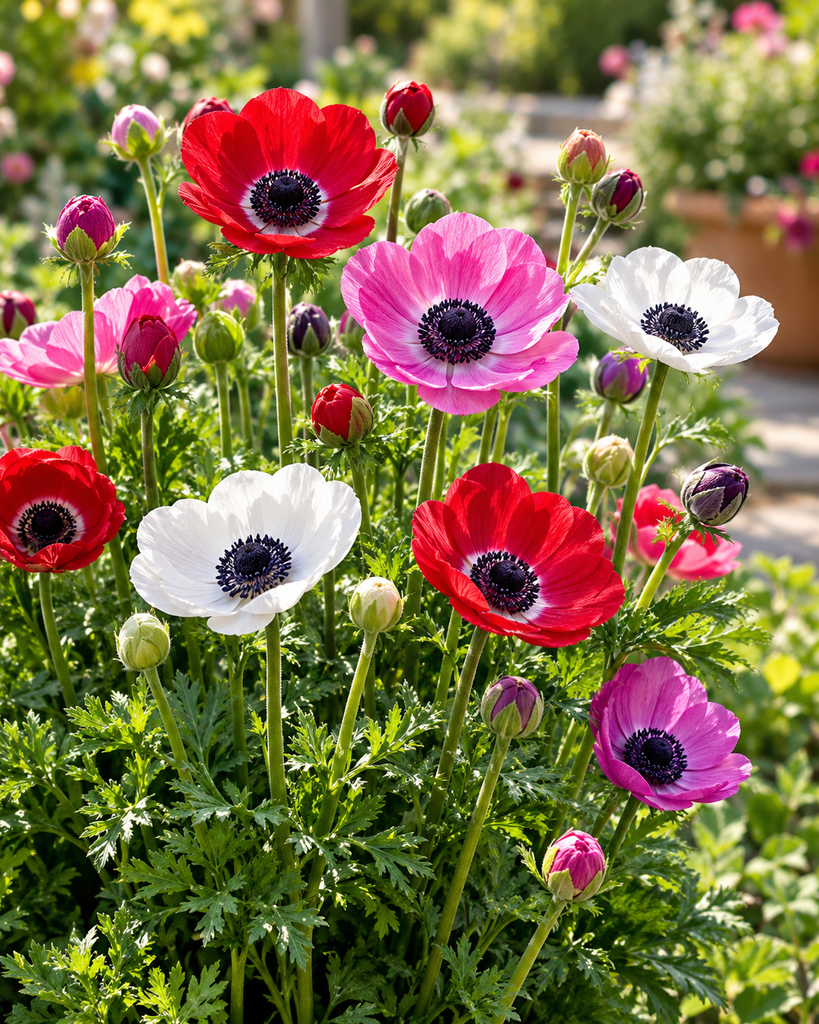
Common causes are too much shade, corms that were planted upside down, too deep, or never rehydrated, rot from wet soil, high-nitrogen feeding, and summer heat. Newly planted Japanese anemones often take a season or two to settle in before they flower well. Wood anemones and some corm types naturally go dormant and disappear by summer, which is normal, not a failure.
How Anemones Bloom: Seasonal Cycles Rather Than a Trigger
Unlike a houseplant that can be coaxed to flower on demand, anemones follow a seasonal cycle. Spring types grow and flower during cool weather, then die back and rest through summer. Japanese anemones flower in late summer and fall and return from the same clump each year. There is no simple light trick to force a second round of flowers, so success depends on healthy corms or roots and good timing.
How to Encourage More Blooms
- Give plants enough light: full sun to light shade for poppy anemones, bright part shade for Japanese anemones.
- Cut flowers often or deadhead spent blooms, which encourages poppy anemones to keep producing.
- Keep soil evenly moist but well drained during growth.
- Avoid high-nitrogen fertilizer.
- For a longer season, stagger corm plantings every couple of weeks in suitable climates.
- Leave the foliage until it yellows so corms can store energy.
How Long Does Anemone Take to Bloom?
It depends on the type and the planting date. Soaked poppy anemone corms planted in spring often flower in roughly two to three months, and fall-planted corms in mild climates flower the following spring. Japanese anemones often need a growing season to establish. Plan on a range, not a fixed date.
What to Do After the Flowers Fade
Remove spent flower stems, keep watering while the leaves are green, and let foliage die back naturally on corm types. Then reduce watering. In cold climates, lift and store poppy anemone corms in a cool, dry place, or replant fresh ones the next season. Japanese anemones can be left in place; cut back after the foliage dies.
8. How to Prune Anemone for Healthy Growth
When to Prune Anemone
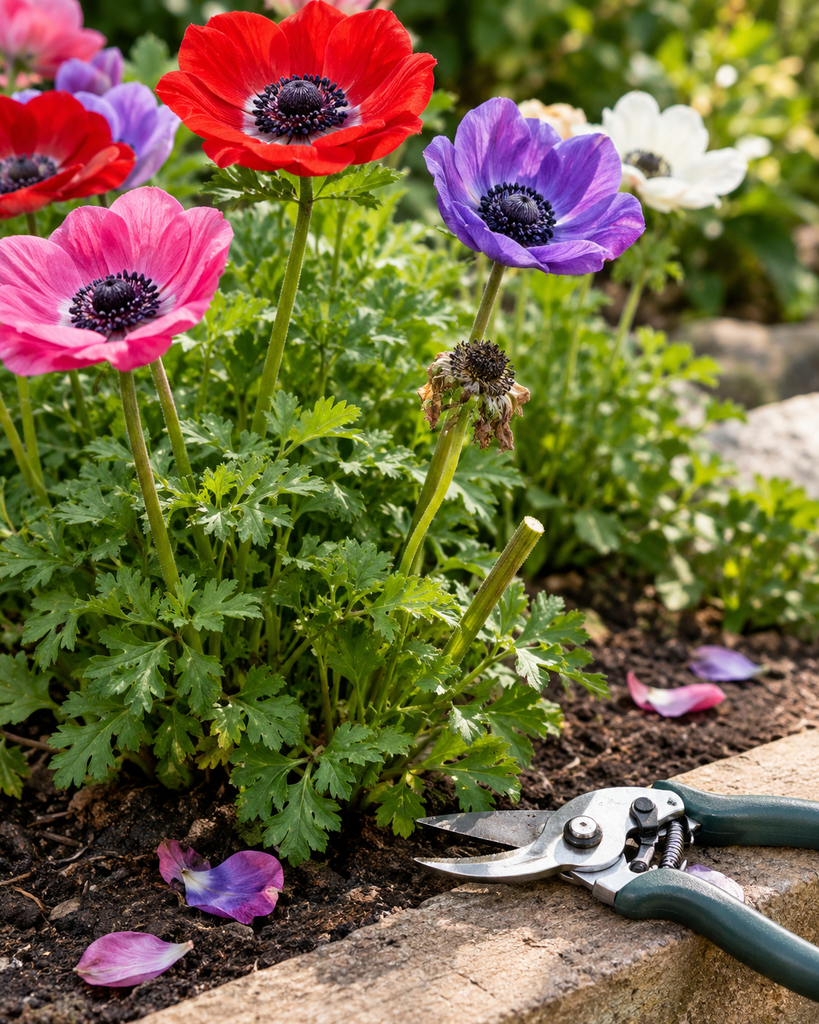
Prune lightly through the growing season to remove spent flowers and damaged leaves. Cut Japanese anemones back after the foliage dies in late fall, or in early spring if you prefer to leave seed heads for winter interest. Do not cut foliage from corm types until it has yellowed.
How to Remove Spent Flowers
Snip the flower stem back to a leaf or to the base of the plant with clean tools. Deadheading keeps plants tidy and encourages more flowers on poppy anemones. Japanese anemones also set fluffy seed heads, which some gardeners leave in place.
Wipe your blades between plants to avoid spreading disease. Because anemone sap can irritate skin, consider wearing garden gloves.
How to Fix a Floppy or Leggy Anemone
Floppy, stretched stems usually mean too little light or too much nitrogen. Move or divide the plant, ensure enough sun, and stop high-nitrogen feeding. Tall Japanese anemones may need staking or a sheltered spot.
Should You Cut Back Anemone After Flowering?
For corm types, remove spent flowers but leave the foliage until it yellows, then trim the dead leaves. For Japanese anemones, wait until the foliage dies back in fall or cut in early spring. Hard pruning of green foliage reduces the energy stored for next year.
Recommended Products for Pruning Anemone
- ✂️ Precision Pruning Snips — Check price on Amazon
9. How to Propagate Anemone at Home
How to Propagate Anemone by Division
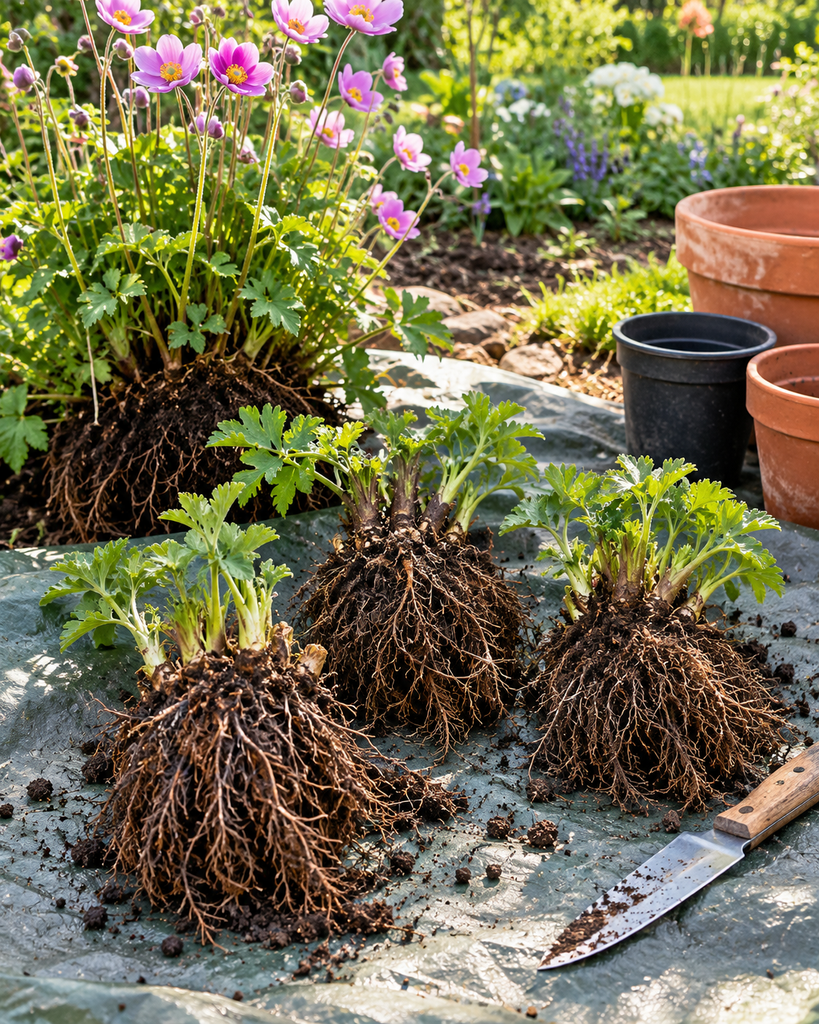
Division suits Japanese, wood, and Canada anemones, which grow as clumps or spreading rhizomes. Do it in early spring as growth begins, or in early fall.
- Water the plant a day ahead so the soil is moist.
- Dig around the clump and lift it with as many roots as possible.
- Cut or tease it into sections, each with healthy roots and at least one growing bud.
- Replant at the same depth, water well, and keep the soil moist while the divisions establish.
How to Plant Anemone Corms
Corm types are increased by replanting corms, and sometimes by small offsets that form around them. Soak dry corms in room-temperature water for a few hours before planting (sources vary from a few hours up to a day, but avoid leaving them submerged for long periods, which invites rot). Plant them about 2–3 inches deep with the claw-like points facing down if you can tell, and if not, plant them on their sides. Water once to settle the soil and then keep it only lightly moist until shoots appear.
Can You Propagate Anemone From Root Cuttings or Seed?
Japanese anemones can be propagated from pieces of root cut in late fall or winter and laid in a pot of gritty mix, but results vary. Poppy and wood anemones can be grown from seed, which is slower, less predictable, and can take a long time to reach flowering size. Seed from named varieties may not come true.
Can You Propagate Anemone From a Leaf?
No, not reliably. Unlike some succulents, anemones do not grow new plants from a single leaf. Use division, corms, root cuttings, or seed instead.
How to Care for Newly Propagated Plants
Keep new divisions evenly moist, shaded from harsh afternoon sun, and protected from slugs. Avoid fertilizer until growth is established. Expect some wilting after transplanting, which usually recovers. Division success varies with species, season, and how much root each piece has.
Recommended Products for Propagating Anemone
- 🔪 Garden Knife (Hori Hori) for Dividing Clumps — Check price on Amazon
10. When and How to Repot or Divide Anemone
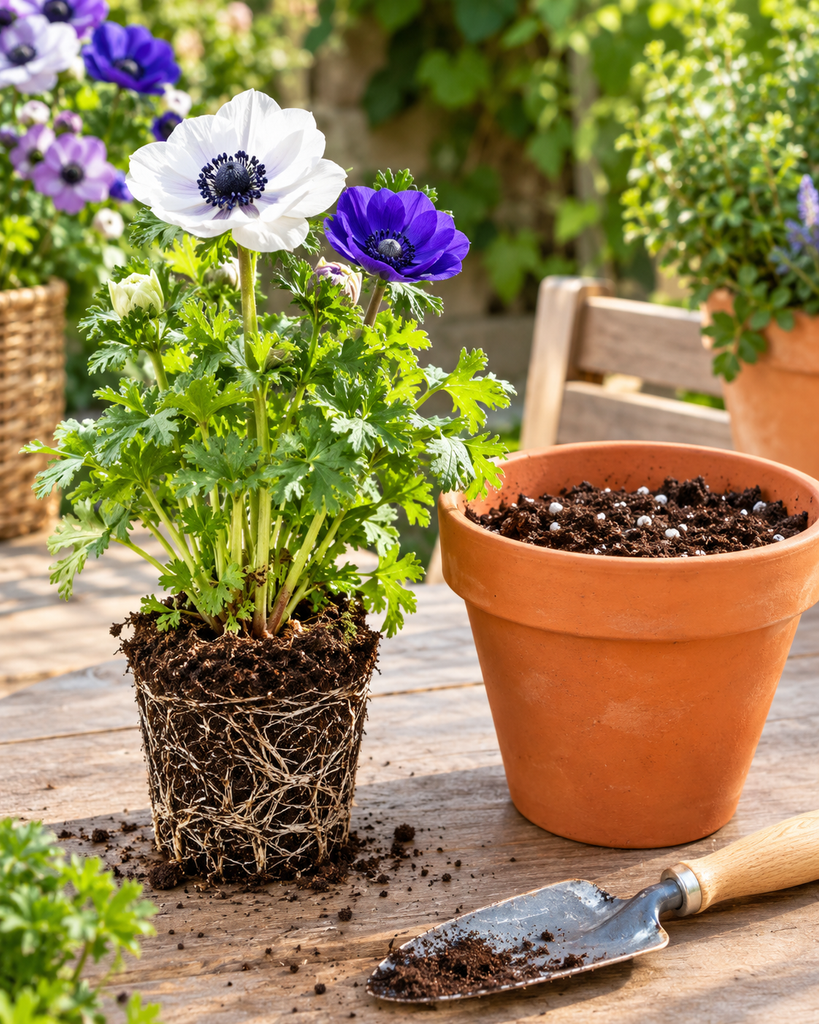
Signs Your Anemone Needs a Bigger Pot or Division
- Roots circling or growing out of the drainage holes.
- Soil that dries out very quickly.
- A potted plant that tips over or stops growing.
- A garden clump with a bare, dead center or declining flowers (usually every few years for perennial clumps).
Step-by-Step Repotting Instructions
- Choose a pot with drainage holes, one size larger than the current pot.
- Add fresh, well-drained potting mix to the bottom.
- Slide the plant out gently, loosen circling roots, and trim any rotten ones.
- Set it at the same depth as before and fill in around it.
- Water to settle the soil and keep the plant out of harsh sun for several days.
The Best Time of Year to Repot or Divide
Early spring, as new growth begins, or early fall for Japanese anemones. Avoid disturbing plants while they are in bloom, and do not disturb corm types during dormancy unless you are replanting them.
Aftercare to Reduce Transplant Stress
Water regularly but do not soak, provide light shade for a week or so, and hold off on fertilizer. Mulch lightly to keep soil moisture even.
Recommended Products for Repotting Anemone
- 🧰 Small Hand Trowel — Check price on Amazon
11. Popular Anemone Varieties to Grow at Home
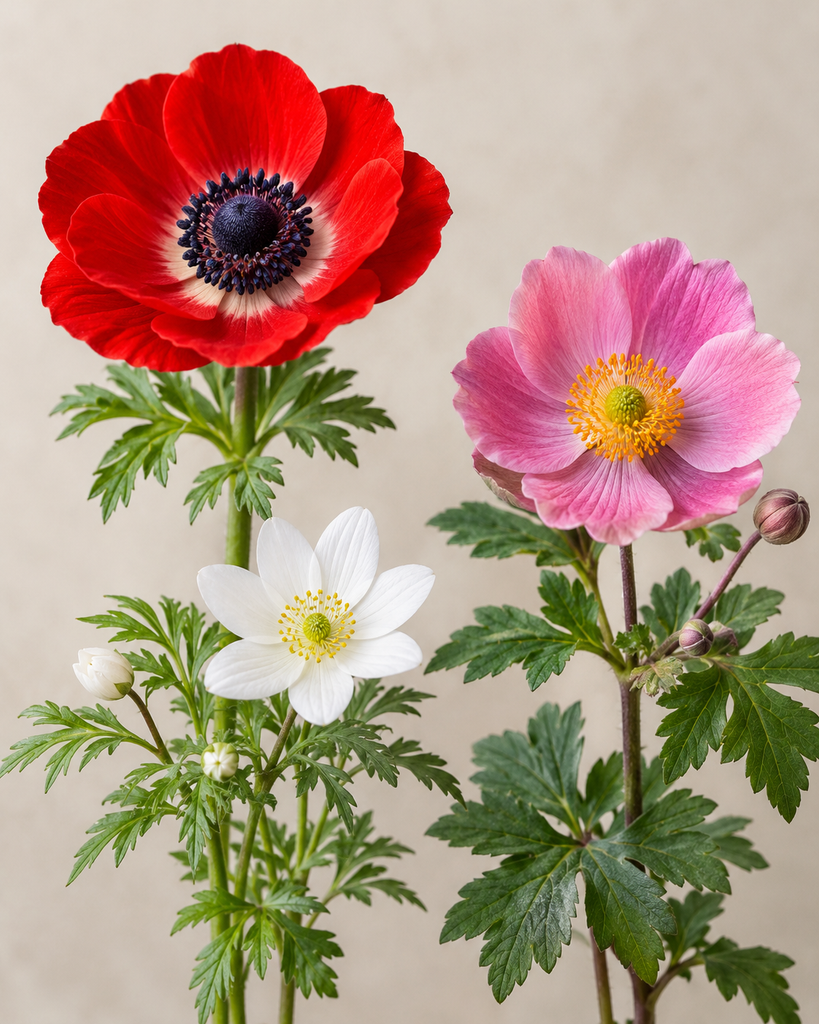
Poppy Anemone (Anemone coronaria)
The cut-flower favorite, with large, poppy-like flowers in red, pink, purple, blue, and white, often with dark centers. Common strains include De Caen (single flowers) and St. Brigid (semi-double). It grows from corms and is the least cold-hardy of the group.
Grecian Windflower (Anemone blanda)
A small spring bloomer with daisy-like flowers in blue, white, or pink and fern-like leaves. It grows from small corms and naturalizes under trees in suitable climates.
Wood Anemone (Anemone nemorosa)
A delicate woodland spring ephemeral with white (sometimes pink or blue-tinted) flowers. It spreads by rhizomes to form carpets and goes dormant by summer.
Canada Anemone (Anemone canadensis)
A North American native with white flowers on upright stems that spreads by rhizomes. It tolerates sun and moist soil but can spread aggressively, so give it room.
Snowdrop Anemone (Anemone sylvestris)
A clumping perennial with nodding white, fragrant spring flowers that tolerates light shade. It can spread by suckers.
Japanese Anemone (Anemone × hybrida)
Tall, late-summer to fall bloomer with pink or white saucer-shaped flowers and lobed leaves. Popular cultivars include ‘Honorine Jobert’ (white) and ‘September Charm’ (pink), the latter often listed under A. hupehensis. It can spread slowly once established.
Chinese Anemone (Anemone hupehensis)
Very similar to Japanese anemone in growth and flowering time and often sold under the same common name. Check the plant tag for the exact cultivar.
Grapeleaf Anemone (Anemone tomentosa)
A vigorous late-season bloomer with soft pink flowers and lobed, woolly-backed leaves. Cultivars like ‘Robustissima’ are hardy but spread by underground stems.
How to Choose the Right Anemone for Your Garden
Choose poppy anemones for cut flowers and containers in mild climates or as annuals elsewhere. Pick Grecian or wood anemones for early-spring color under trees. Choose Japanese anemones for late-season color in part shade. Be cautious with spreading types such as Canada and grapeleaf anemone if space is limited. Check local guidance before planting any anemone that could escape into natural areas.
| Common name | Botanical name | Appearance | Mature size (approximate) | Light needs | Growing considerations |
|---|---|---|---|---|---|
| Poppy anemone | A. coronaria | Large poppy-like flowers, dark centers | About 8–12 in. | Full sun to light shade | Corms; least hardy; rots in wet soil |
| Grecian windflower | A. blanda | Small daisy-like blue, white, or pink flowers | About 4–8 in. | Sun to part shade | Corms; naturalizes; goes dormant by summer |
| Wood anemone | A. nemorosa | Delicate white flowers, fine leaves | About 4–8 in. | Woodland shade | Rhizomes; spring ephemeral; fades in summer |
| Canada anemone | A. canadensis | White flowers on upright stems | About 1–2 ft. | Sun to part shade | Spreads by rhizomes; can be aggressive |
| Snowdrop anemone | A. sylvestris | Nodding white, fragrant flowers | About 1–1.5 ft. | Part shade | Can sucker; spring bloom |
| Japanese anemone | A. × hybrida | Pink or white saucer flowers, tall stems | About 2–4 ft. | Part shade | Fall bloom; slow to establish; may spread |
| Chinese anemone | A. hupehensis | Pink or white flowers, lobed leaves | About 2–3 ft. | Part shade | Late-summer bloom; similar care to Japanese anemone |
| Grapeleaf anemone | A. tomentosa | Soft pink flowers, woolly-backed leaves | About 2–3 ft. | Sun to part shade | Vigorous; spreads underground |
Sizes and hardiness are approximate and vary with cultivar and region.
Recommended Products for Growing Anemone Varieties
- 🏷️ Reusable Plant Labels — Check price on Amazon
12. Common Anemone Problems and How to Fix Them
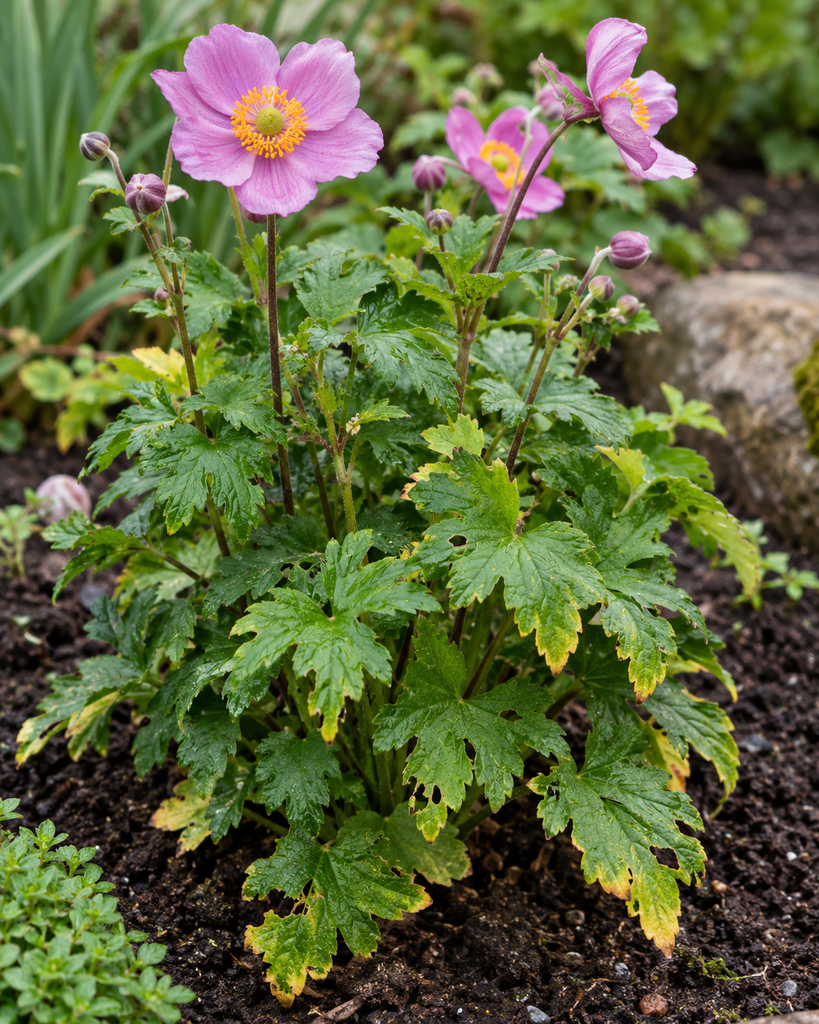
Why Are My Anemone Leaves Turning Yellow?
Yellowing has several causes. Natural dieback after flowering is normal for corm and woodland types. Yellow leaves with soft stems and wet soil suggest overwatering or rot. Pale leaves in poor soil can mean low fertility. Check soil moisture and the roots, and consider the season, before changing anything.
Why Are the Stems or Corms Soft and Mushy?
Soft, dark, or smelly corms and stem bases usually point to rot from wet soil. Lift the plant to check. Cut away damaged tissue, improve drainage, and replant healthy parts in fresh soil.
Why Is My Anemone Dropping Leaves or Disappearing?
Corm and woodland anemones go dormant and their leaves vanish by early summer, which is normal. Sudden leaf loss in other types can come from drought, heat, rot, or pests. Check the season and the roots.
Why Is My Anemone Floppy or Not Standing Upright?
Usually too much shade, too much nitrogen, or heavy rain on tall Japanese anemones. Improve light, avoid high-nitrogen feed, and provide light support or a sheltered spot.
Brown Leaf Edges and Sunburn
Brown, crispy leaf edges can come from sun scorch, drought, or wind, especially in hot regions. Provide afternoon shade, mulch to hold moisture, and water deeply during dry spells. Damaged leaves will not recover, but new growth will be fine.
Common Anemone Pests and Diseases and How to Manage Them
Slugs and snails chew holes in leaves and flowers, especially on young growth. Aphids may cluster on new shoots and buds. Powdery mildew can appear as a white film in humid, crowded conditions. Foliar nematodes can cause dark, angular blotches between leaf veins on some anemones. Hand-pick slugs in the evening, wash aphids off with water, improve airflow, and remove affected leaves. Avoid overhead watering late in the day.
How to Tell Whether Your Anemone Can Be Saved
A plant is worth saving if it has firm corms or roots and some healthy green tissue. Cut away soft or rotted parts and replant in well-drained soil. If the corm or crown is completely mushy and hollow, it will not recover.
| Symptom | Possible cause | How to confirm | Recommended solution |
|---|---|---|---|
| Yellow leaves in early summer | Natural dormancy after flowering | Plant flowered earlier; stems are firm | Let foliage die back; reduce watering |
| Yellow, wilting leaves with wet soil | Overwatering or rot | Soil is soggy; corm or roots are soft | Stop watering, improve drainage, replant in fresh soil |
| Wilting with dry soil | Underwatering or heat stress | Soil is dry several inches down | Water deeply; add mulch and afternoon shade |
| Holes in leaves and flowers | Slugs or snails | Slime trails, damage at night | Hand-pick; reduce hiding places; use slug bait carefully |
| Clusters of tiny insects on buds | Aphids | Look closely at new growth | Rinse with water; insecticidal soap if needed |
| White powdery film | Powdery mildew | Film wipes off; crowded, humid conditions | Improve airflow; remove affected leaves |
| Dark blotches between leaf veins | Possible foliar nematodes | Angular, vein-limited patches | Remove affected foliage; avoid splashing; consult local extension |
| Corms fail to sprout | Rot, planting too deep, or dry corms | Dig one up; check firmness | Replant healthy corms 2–3 in. deep after soaking |
| No flowers | Too much shade, high nitrogen, or young plant | Dense foliage, few buds, heavy shade | Increase light; avoid nitrogen; be patient |
| Floppy stems | Low light or rain | Stretched growth leaning over | Increase light; stake if needed |
Recommended Products for Anemone Problems
- 🐌 Iron Phosphate Slug Bait (follow the label and keep it away from pets) — Check price on Amazon
13. Are Anemones Toxic to Cats and Dogs?

What Pet Owners Should Know About Anemones
Yes. Anemones are considered toxic to dogs, cats, and other animals. They contain ranunculin, which converts to an irritant called protoanemonin when the plant is chewed or crushed. Veterinary toxicology references list mouth irritation, drooling, vomiting, and diarrhea as typical signs. The bitter, irritating taste discourages many pets from eating much, but showy flowers in pots, beds, and bouquets can still tempt them. Treat all parts of the plant as toxic.
How to Keep Anemones Away From Pets
Plant anemones in areas pets cannot reach, use fenced beds or raised planters, and keep potted plants and cut bouquets on high shelves. Clean up fallen petals and stems. If your pet chews plants, consider avoiding anemones. Wearing gloves while handling is sensible, because the sap can irritate skin.
What to Do if a Pet Eats Anemone
Remove any plant material from the pet’s mouth, offer water, and call your veterinarian or the ASPCA Animal Poison Control Center at (888) 426-4435, or the Pet Poison Helpline at (855) 764-7661, right away (consultation fees may apply). Mention the plant, how much was eaten, and when. Do not induce vomiting unless a professional tells you to. Mouth blistering, heavy drooling, or repeated vomiting warrants prompt veterinary care.
Recommended Products for Handling Anemones Safely
- 🧤 Garden Gloves — Check price on Amazon
14. Seasonal Anemone Care Calendar
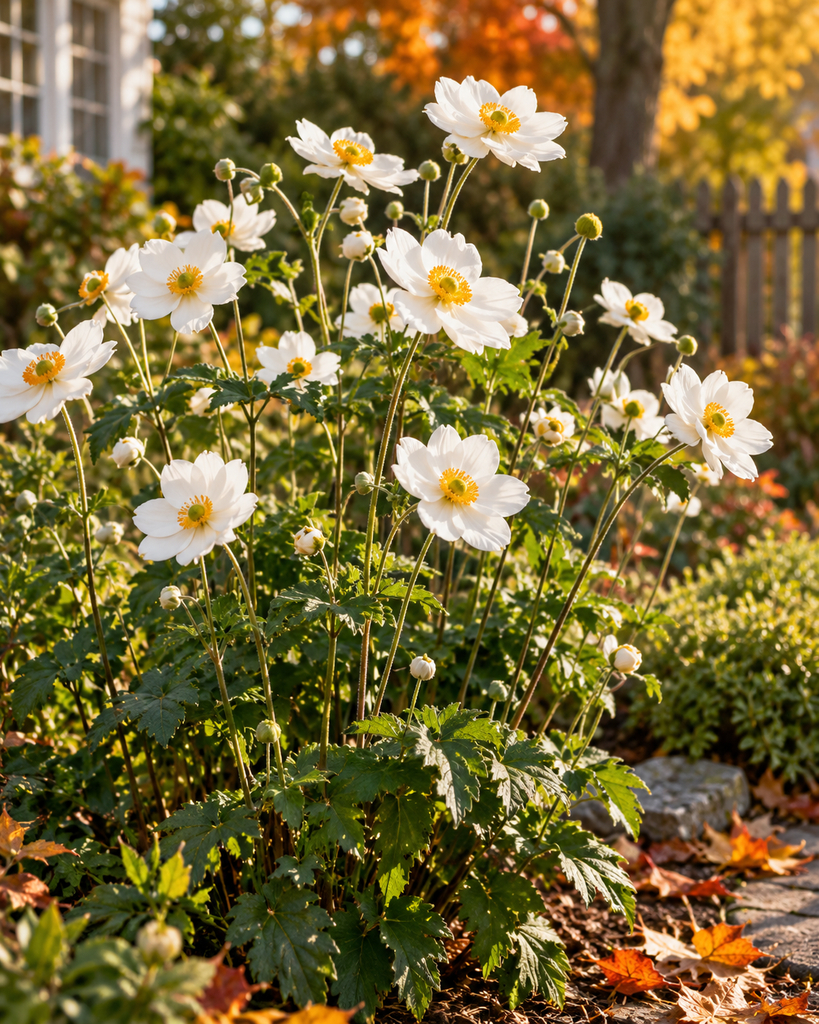
Timings below are general for US gardens. Regional climate, the anemone type, and your hardiness zone change the schedule.
Spring: Encourage New Growth
Plant soaked poppy anemone corms where winters are cold, once the soil can be worked. Divide Japanese anemones as growth begins, top-dress with compost, and watch for slugs on new shoots. Wood and Grecian anemones are blooming now.
Summer: Manage Sunlight and Watering
Keep Japanese anemones evenly moist and shaded from hot afternoon sun. Spring types go dormant, so do not overwater their resting spots. Stake tall plants if needed and deadhead spent flowers.
Fall: Prepare for Winter and Late Bloom
Enjoy Japanese anemones in bloom. In mild-winter regions, plant poppy anemone corms for spring flowers. In cold regions, lift tender corms or move pots to a protected place before hard freezes, and mulch perennial types after the ground begins to freeze.
Winter: Protect the Plant and Support Dormancy
Keep dormant corms and roots on the dry side in the ground or store lifted corms in a cool, dry spot. Avoid waterlogged soil. Leave Japanese anemone seed heads and foliage as winter protection if you prefer, and cut back in early spring.
15. Frequently Asked Questions About Anemone Plant Care
Is Anemone an Indoor or Outdoor Plant?
Mostly outdoors. Anemones are garden and patio plants. Potted poppy anemones can bloom indoors for a short time in a bright, cool room, but most do better outside, and cut stems last well in a vase.
How Often Should You Water an Anemone?
Water when the top inch or two of soil is dry, keeping it evenly moist but never soggy while the plant is growing. Water less after corm types finish flowering and go dormant. Frequency depends on weather, soil, and whether the plant is in a pot.
Does Anemone Need Direct Sunlight?
It depends. Poppy anemones prefer full sun to light shade, while Japanese anemones do best in part shade and woodland anemones like dappled shade. Hot afternoon sun can scorch leaves.
Can Anemone Bloom More Than Once?
It returns every year, but each type has its own season. Cut flowers and deadheading can extend poppy anemone bloom, and staggered planting adds more flowers. There is no reliable way to force a second flush after the season ends.
Should You Remove Dead Anemone Flowers?
Yes, usually. Deadheading keeps poppy anemones producing and tidies the plant. Some gardeners leave Japanese anemone seed heads for winter interest.
Can Anemone Survive Winter?
Many types can: wood, Grecian, Canada, and Japanese anemones are hardy in much of the US. Poppy anemones are tender and may need winter protection, lifting, or replanting in cold climates.
Can You Grow Anemone From a Single Corm or Division?
Yes. A single soaked corm can grow into a flowering plant, and divisions of Japanese or wood anemone clumps can become new plants. Anemones cannot be grown from a leaf.
Why Is My Anemone Healthy but Not Blooming?
Most often too much shade, too much nitrogen, or a plant that is still establishing, especially Japanese anemones in their first year or two. Corms planted too deep or upside down can also produce leaves without flowers. Improve light and be patient.
Final Thoughts on Growing a Healthy Anemone
Healthy anemones depend on the right type for your climate, well-drained soil, the right amount of light, and steady moisture during growth. Soak and plant corms at the correct depth, avoid wet soil, deadhead to encourage more flowers, and divide Japanese anemone clumps every few years. Check pets’ access before planting, since every part of the plant is toxic. Start by identifying which anemone you have, because that single step tells you how to water, where to plant, and when to expect flowers.