Artichoke Plant Care 101: How to Grow, Harvest & Get More Buds
This article may contain affiliate links. As an Amazon Associate, I earn from qualifying purchases at no extra cost to you.
The globe artichoke is a thistle-like perennial grown for its large, tender flower buds, and it is as striking as an ornamental as it is useful in the kitchen. Good artichoke plant care comes down to a few things: full sun, fertile, well-drained soil, steady moisture, regular feeding, and protection from hard freezes. The main puzzle is flowering. Most artichokes need a spell of cool weather, called vernalization, before they will form buds, which is why plants in cold regions often stay leafy and never fruit. This guide covers planting, watering, feeding, getting buds, harvesting, propagating, overwintering, pests, and pet safety.
Recommended Products for Getting Started With Artichokes
- 🌱 Organic Compost for Garden Beds—Check price on Amazon
- 🌿 Slow-Release Vegetable Fertilizer—Check price on Amazon
- 💧 Drip Irrigation Kit for Garden Beds—Check price on Amazon
Artichoke Plant Care at a Glance
Artichoke Care Requirements
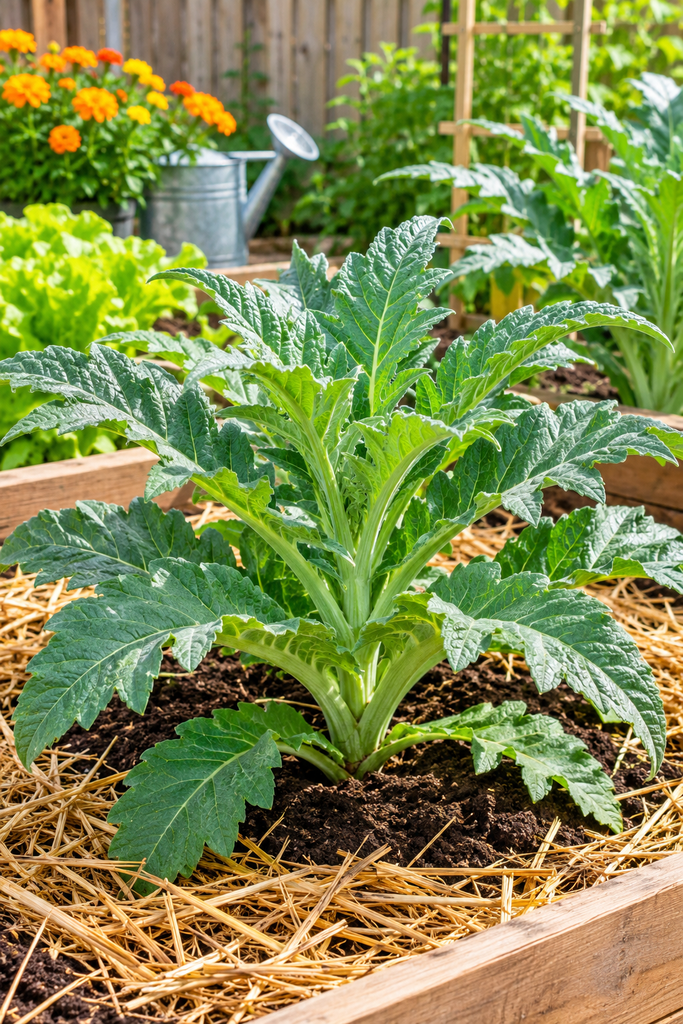
The table covers globe artichoke (Cynara cardunculus var. scolymus). Check your seed packet or plant tag, because varieties differ in cold needs and hardiness.
| Factor | What it needs | Key detail |
|---|---|---|
| Light | Full sun, at least 6–8 hours | A little afternoon shade helps in very hot climates |
| Watering | Consistent, deep watering | Never let the soil dry out completely; avoid soggy soil |
| Soil | Fertile, well-drained, rich in organic matter | Work in compost before planting |
| Temperature | Cool to mild; frost-sensitive | Perennial in mild-winter zones, often grown as an annual in cold regions |
| Fertilizer | Heavy feeder, especially nitrogen | Compost at planting and regular feeding during growth |
| Flowering (buds) | Usually needs a cold period (vernalization) | The required length of cold varies by variety. |
Indoor vs. Outdoor Growing Conditions
Artichokes are outdoor garden plants. They are large, sun-hungry, and need a cool period to bud, so they do not suit indoor growing. You can start seedlings indoors, and in cold regions you can grow them in large containers, but the plants need to live outside for most of the season.
How Difficult Is Artichoke to Grow?
Artichoke is moderately challenging. The plants are easy to grow as foliage, but getting buds takes the right variety and the right cool-weather timing, especially outside mild-winter regions. In zones 7 and warmer, it is a perennial that improves in its second year. In colder regions, annual varieties offer the best odds.
1. What Is an Artichoke Plant?
Botanical Background and Growth Habits
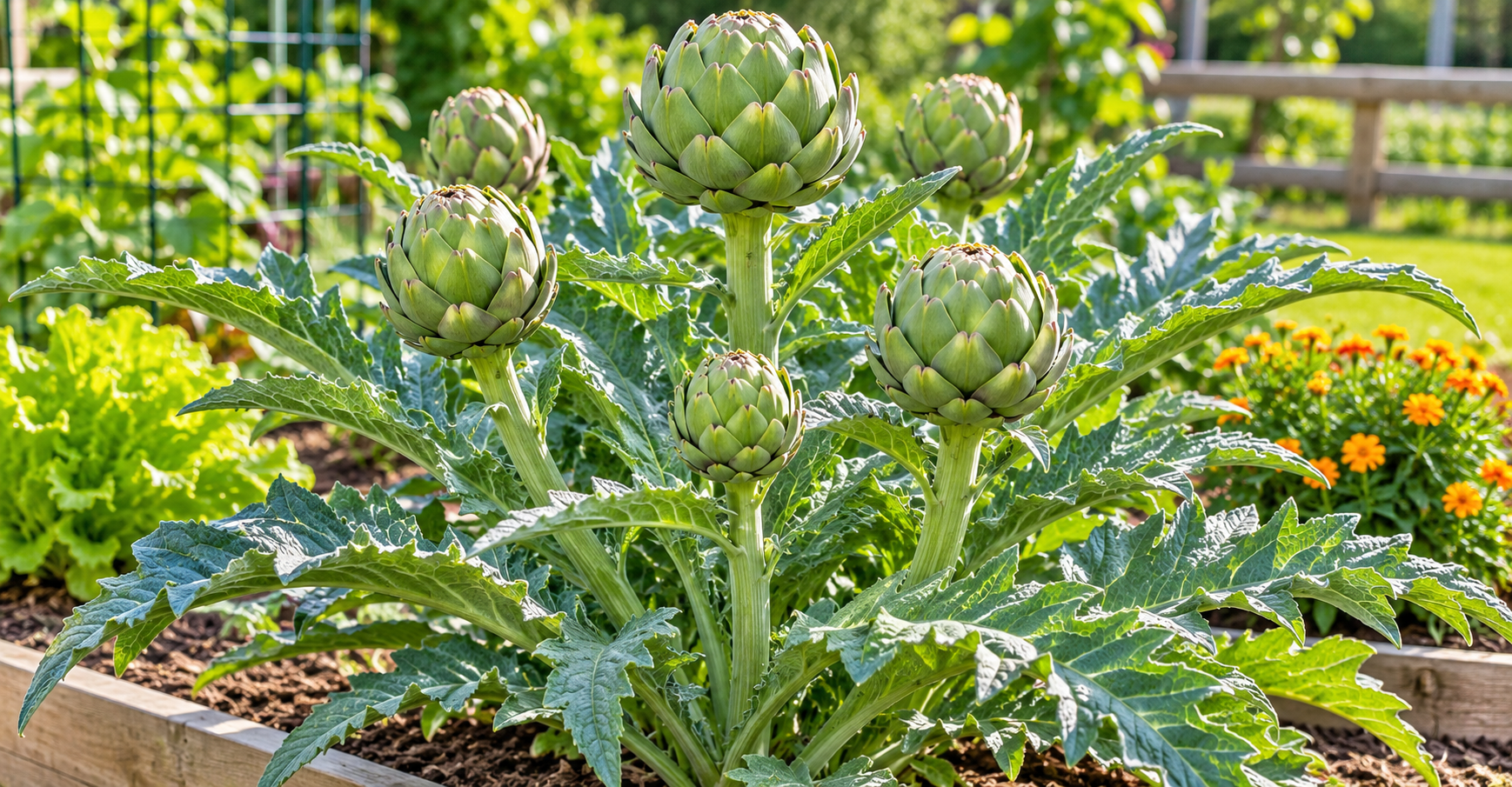
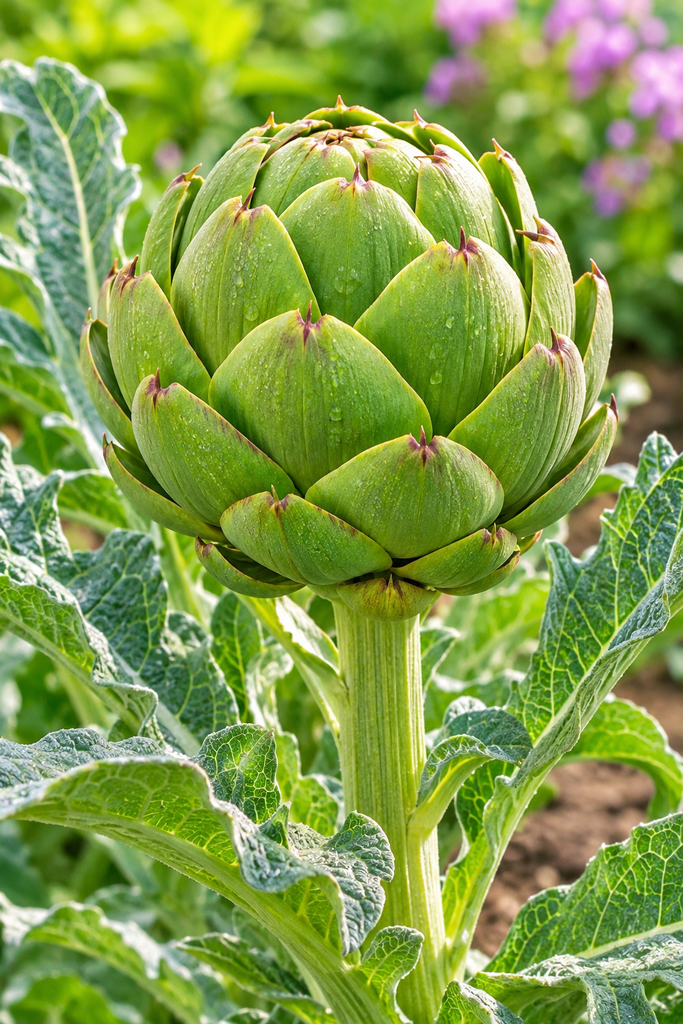
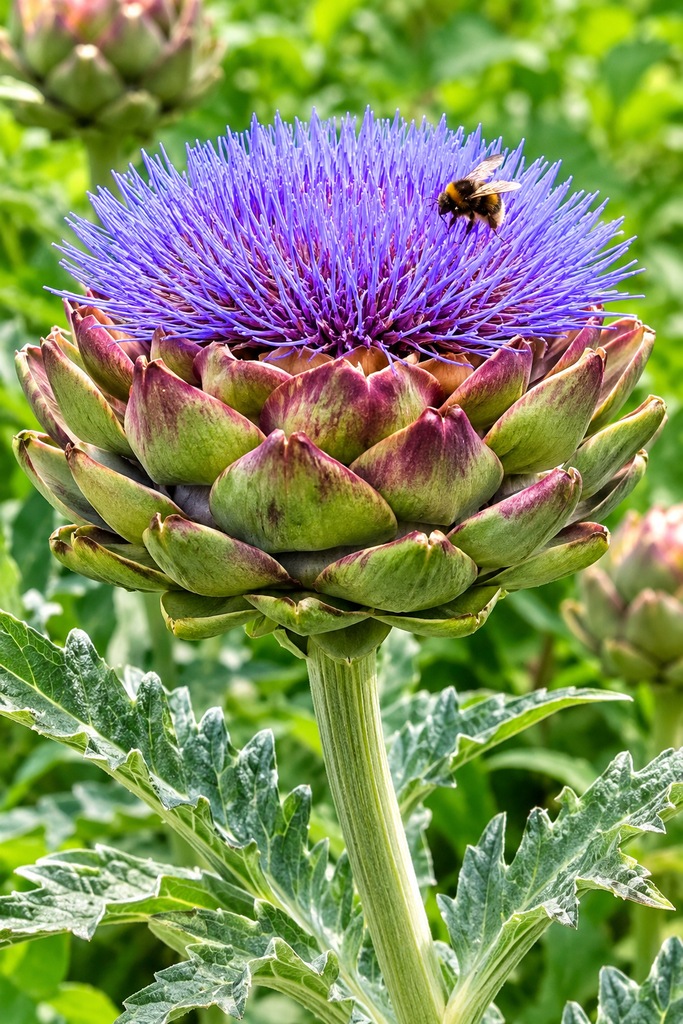
The globe artichoke belongs to the sunflower family (Asteraceae) and is a thistle relative. The part you eat is the immature flower bud, made of overlapping bracts around a fuzzy center, with a tender base called the heart. Left unharvested, the bud opens into a large, showy purple, thistle-like flower. The plants form large rosettes of deeply lobed, silvery-green leaves and send up thick flower stalks.
Do not confuse it with two plants that share part of its name. Cardoon is the same species, grown for its leaf stalks, while Jerusalem artichoke is an unrelated sunflower grown for its knobby tubers.
Why Artichoke Is Popular as a Garden Plant
Artichokes are prized for their flavor, and the plants look architectural in an ornamental bed. Unharvested flowers attract bees and other pollinators.
How Long Can an Artichoke Plant Live?
In mild-winter regions, artichoke is a perennial that can produce for several years, usually with its best harvests in the second and later years, and it is typically divided and renewed over time. In colder regions it is usually grown as an annual or lost to winter cold. Lifespan varies with climate and variety.
2. How Much Sunlight Does Artichoke Need?
The Best Light for Artichokes
Artichokes want full sun, about six to eight hours of direct light a day, to grow the big plants that support buds. In very hot climates, some afternoon shade can reduce stress and keep buds from opening too quickly.
Can Artichoke Grow in Direct Sun?
Yes, direct sun is what it prefers, as long as the plant has enough water. Heat combined with dry soil makes buds small, tough, and quick to open.
Signs of Too Much or Too Little Light
- Too little: Weak, floppy growth, fewer and smaller buds, and leggy stalks.
- Too much (with drought): Wilting, scorched leaf edges, and buds that open early.
Where to Place Artichoke in Your Garden
Plant artichokes in a sunny, open spot with room to spread, since mature plants can be large. Plan for roughly three to four feet between plants, and check the plant tag, because size varies by variety. Shelter from strong wind helps, and in cold regions a spot near a south-facing wall gives extra warmth.
3. How Often Should You Water Artichoke?
How to Tell When Your Artichoke Needs Water
There is no fixed schedule. Artichokes like steady moisture, and Florida extension guidance notes that growers there may need to irrigate almost daily in some conditions. Push a finger two inches into the soil near the plant. If it is dry at that depth, it is time to water. Consistent moisture matters more than heavy, occasional soaking, because swings in moisture can toughen buds.
The Best Way to Water Artichoke
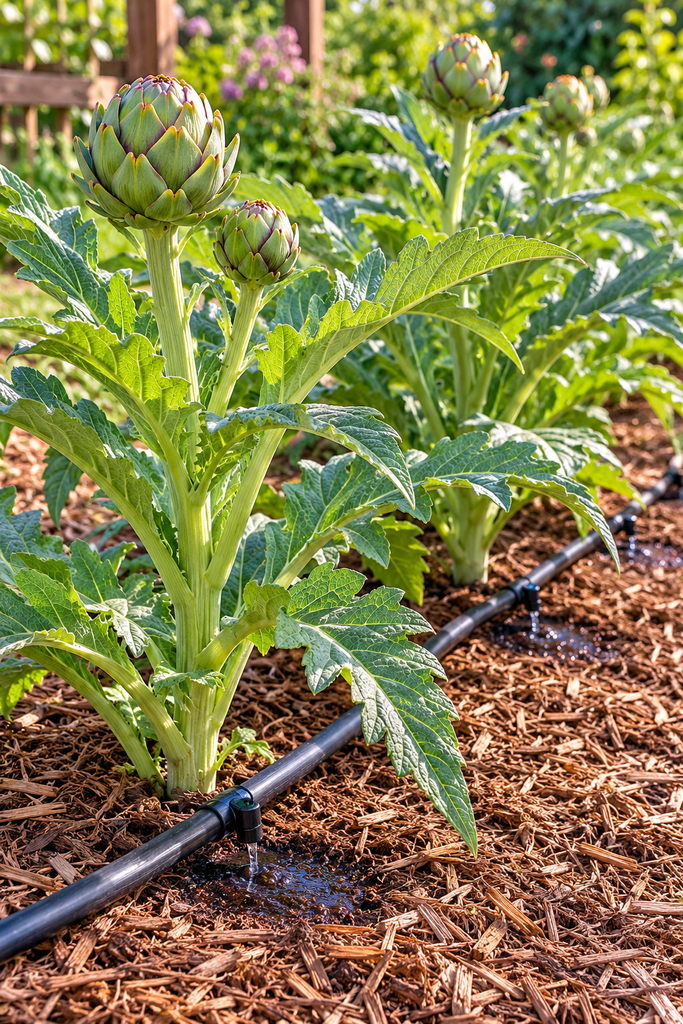
Water deeply at the base, either by hand or with drip irrigation, and keep water off the buds and leaves where possible. A layer of mulch holds moisture and moderates soil temperature.
Artichoke Watering in Summer and Winter
In warm weather and during bud production, water regularly and deeply, especially if you are using containers. In winter, plants in the ground need little extra water, and soggy soil in cold weather increases the risk of crown rot.
Signs of Overwatering and Underwatering
- Overwatering: Yellowing leaves, soft or collapsing crowns, mushy stems, and fungal problems.
- Underwatering: Wilting, crispy leaf edges, small tough buds, and buds that open too early.
How to Fix an Overwatered Artichoke
- Stop watering until the top couple of inches of soil are dry.
- Improve drainage: raise the bed, loosen heavy soil, or remove standing water.
- Pull mulch back from the crown so it can dry.
- Remove rotten leaves, and if the crown is soft and smelly, the plant may be lost, so replant a healthy division or start new transplants.
Recommended Products for Watering Artichoke
- 💧 Drip Irrigation Kit for Garden Beds—Check price on Amazon
- ⏲️ Hose Timer—Check price on Amazon
4. What Is the Best Soil for Artichoke?
Choosing a Well-Draining, Fertile Soil
Artichokes prefer fertile, well-drained soil, and Utah State University Extension recommends working in plenty of organic matter. Dig compost into the planting area before you plant, and use raised beds if your soil is heavy clay or stays wet. A soil test can show whether your soil needs lime or other amendments.
A bag of organic compost for garden beds is a simple way to improve soil structure and fertility before planting.
Can You Use Regular Garden Soil or Potting Soil?
Average garden soil works if it drains and is enriched with compost. In containers, use a quality potting mix, not garden soil, which compacts.
Choosing the Right Pot and Drainage Holes
Artichokes grow large, so containers need to be very large with drainage holes. A cramped pot dries out fast and limits bud production. Container plants need more frequent watering and feeding than those in the ground.
How to Prevent Root and Crown Rot
Plant in well-drained soil or a raised bed, keep mulch off the crown, avoid overwatering, and give plants room for airflow. Do not plant artichokes where water pools.
Recommended Products for Artichoke Soil and Beds
- 🌱 Organic Compost for Garden Beds—Check price on Amazon
- 🧪 Soil Test Kit—Check price on Amazon
5. Ideal Temperature and Humidity for Artichoke
The Best Temperature Range
Artichokes do best in cool to mild weather. Mild winters and cool, foggy summers, as in coastal California, are ideal. Hot weather speeds up bud development, so buds open quickly and toughen.
Protecting Artichoke From Cold and Frost
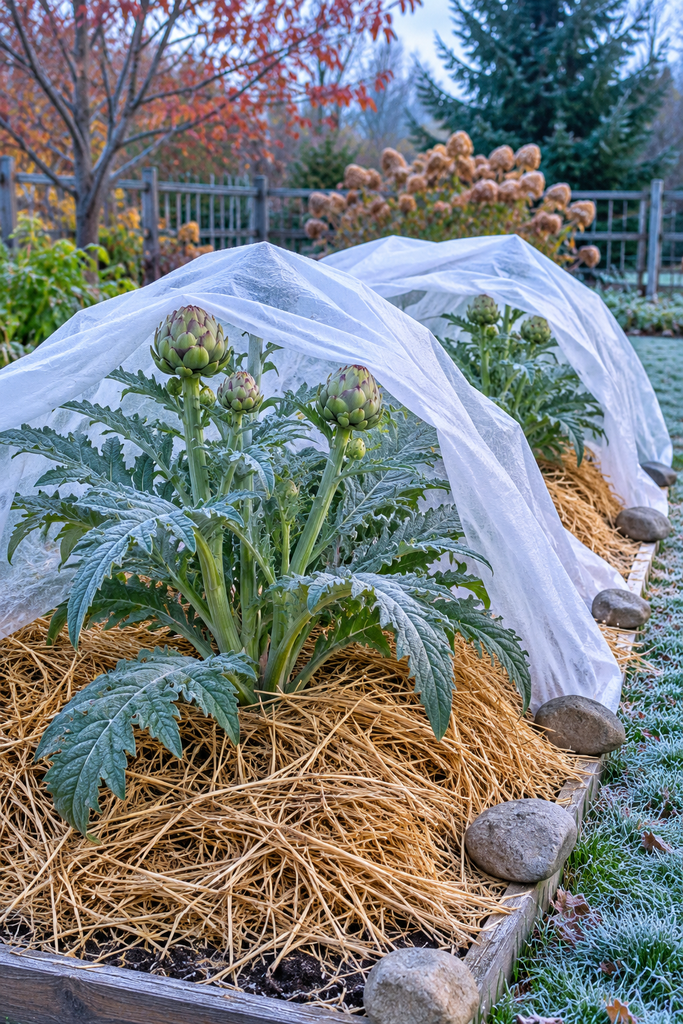
Artichoke plants are frost- and freeze-sensitive and need protection. They are generally reliable perennials in roughly zones 7 to 10, depending on the variety and the winter, and some sources extend that to zone 11. In harsher climates, survival through winter is unlikely, so they are grown as annuals. In marginal zones, cut the plant back in fall and cover the crown with a thick layer of mulch, such as straw or leaves.
Does Artichoke Need High Humidity?
No, but very humid, stagnant conditions encourage gray mold and other fungal problems. Space plants for airflow and water the soil, not the leaves.
Can You Grow Artichoke Outdoors in the United States?
Yes, in many regions, using the right strategy. In mild-winter areas such as coastal California and parts of the South, artichokes are perennials. Where winters are cold, start seedlings of annual-type varieties such as ‘Imperial Star’ indoors, vernalize them, and plant them out in spring. University extension offices in states such as Utah, Connecticut, and New York offer guidance for growing artichokes in colder climates. Check with your local extension office for varieties and timing.
Recommended Products for Protecting Artichoke From Cold
- 🧣 Frost Cloth or Plant Covers—Check price on Amazon
- 🌾 Straw or Shredded Leaf Mulch—Check price on Amazon
6. How and When to Fertilize Artichoke
Choosing a Suitable Fertilizer
Artichokes are heavy feeders. Compost worked in at planting plus a balanced or nitrogen-rich fertilizer during growth supports the large plants that make big buds. A slow-release vegetable fertilizer or a regular liquid feed both work. Follow the label, and ask your local extension office about rates for your soil.
When to Feed Artichoke During Active Growth
Feed at planting and again during active growth. Many gardeners apply a liquid fertilizer about once a month during the season. Feed more lightly after buds form.
Fertilizing After Harvest
After harvest, if the plant is a perennial, a light feeding with compost can support new growth for next year. Stop feeding as the season ends.
Common Fertilizing Mistakes
- Underfeeding, which leads to small plants and small buds.
- Using too much fertilizer on dry soil, which can burn roots.
- Fertilizing late in the season when the plant should be slowing down.
- Applying fertilizer without watering it in.
Recommended Products for Fertilizing Artichoke
- 🌿 Slow-Release Vegetable Fertilizer — Check price on Amazon
7. How to Make Artichoke Produce Buds Again
Why Your Artichoke Is Not Producing Buds
The most common cause is lack of vernalization, or cold exposure. Most globe artichokes need a period of cool temperatures to switch from leafy growth to flowering. Other causes are a plant that is too young, heat, drought stress, underfeeding, crowded growing conditions, or a variety that does not match your climate.
How Cold Weather Triggers Buds: Vernalization
Vernalization is a cold requirement, not a day-length trigger. Extension research in Connecticut describes ‘Imperial Star’ as having low vernalization needs, estimated at fewer than about 250 cumulative hours below 50°F, while ‘Green Globe’ and ‘Green Globe Improved’ need at least about 500 hours. Other extension and gardening sources give general guidance of several weeks at or below about 50°F, and some modern annual varieties are reported to vernalize with shorter cool periods. Requirements vary by variety, so treat these as guidelines, not promises.
How to Provide the Cold Period
- Choose a variety bred for your climate, such as ‘Imperial Star’ for annual growing.
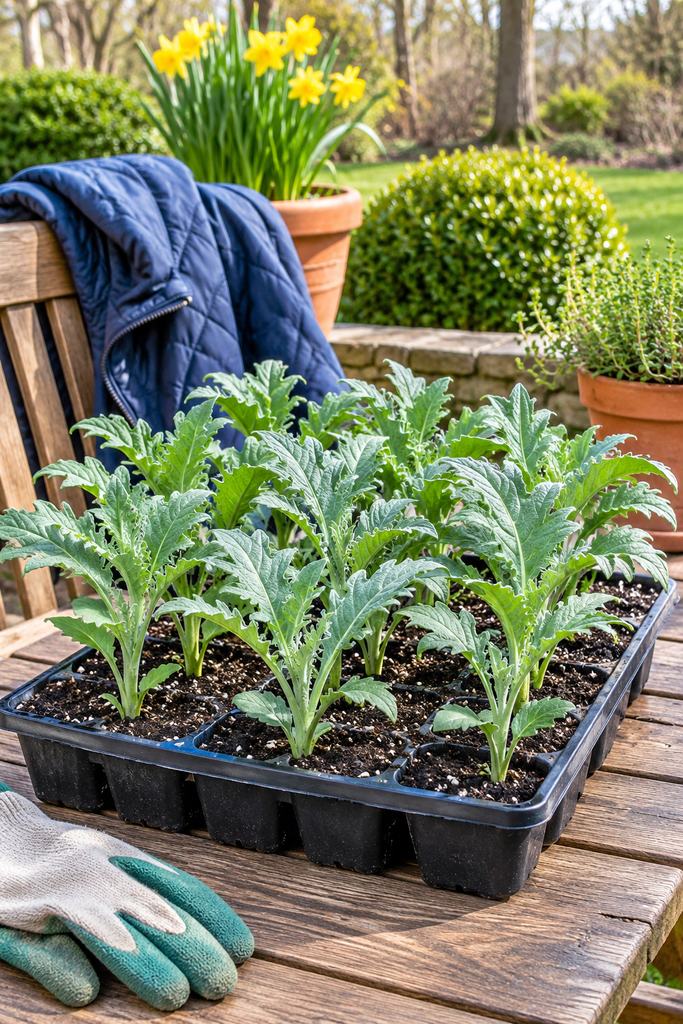
- Start seed indoors in winter, often in January or February in cold regions, so transplants are ready in late spring.
- Let seedlings experience cool temperatures, either by setting them outdoors on cool days, planting them early in cool spring weather, or, as research suggests, using controlled cold treatment.
- Protect seedlings from frost and keep them evenly moist and fed.
- In warm-winter regions, plant in late summer or fall so plants experience cool weather naturally over winter.
How Long Does Artichoke Take to Produce Buds?
It varies with variety and climate. Sources report roughly 85 to 100 days from transplant for annual types, and University of California Master Gardeners list 100 to 150 days to harvest as an average. In perennial plantings, established crowns typically produce earlier in later years. There is no guaranteed date.
What to Do After the Harvest
After harvesting, cut the spent stalks back, keep watering and feeding lightly, and mulch. In mild climates, a cut-back plant regrows and can produce again. In cold climates, annual varieties are finished for the year, so you can save space for next season.
8. How to Prune and Harvest Artichoke for Healthy Growth
When to Harvest Artichoke
Harvest buds when they have reached full size, typically at least about three inches across, and while the bracts are still tight, before they begin to open. Utah State University Extension says to harvest when buds reach full size but before the bracts open. Do not wait too long, because opened buds turn tough and fibrous as they form flowers.
How to Harvest Artichoke Buds
Cut the bud off with a sharp knife or pruners, leaving a short length of stem. Harvest the large central bud first, which encourages side shoots to produce smaller buds. Check plants frequently once buds form, since they can mature quickly in warm weather.
How to Fix a Tall, Floppy, or Overgrown Artichoke
Floppy plants usually need more sun, firmer soil, or support. Remove damaged or yellowing outer leaves, thin crowded crowns, and stake tall plants in windy sites.
Should You Cut Back Artichoke After Harvest?
For perennial plantings, cut harvested stalks back to the base after harvest, remove old leaves, and let new growth come up. In cold regions, cut back in fall and mulch the crown heavily if you hope to overwinter it. Annual types can be removed after harvest.
Should You Let Some Buds Flower?
Yes, if you want ornamental value or pollinators. Unharvested buds open into large purple thistle-like flowers that attract bees, but opened flowers are not for eating.
Recommended Products for Harvesting Artichoke
- ✂️ Sharp Harvest Knife or Pruning Snips — Check price on Amazon
- 🧤 Garden Gloves — Check price on Amazon
9. How to Propagate Artichoke at Home
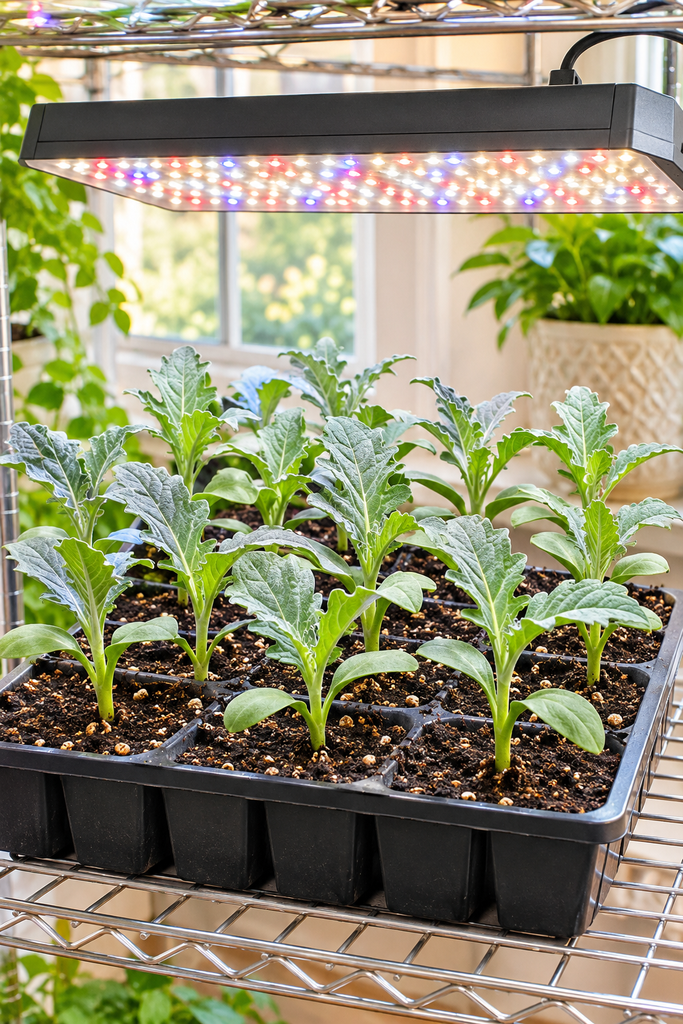
How to Propagate Artichoke From Seed
Seed is the main method for annual-type varieties such as ‘Imperial Star’. In cold regions, start seed indoors in midwinter, in January or February, to have transplants ready for late spring, and plan for cool treatment so plants will form buds. Seedlings of open-pollinated varieties can vary, so choose varieties bred for your climate.
How to Propagate Artichoke by Division
Perennial plants send up offsets, or suckers, around the base. Divide them in spring or fall, taking a section of root with each. Extension guidance for mild-winter regions suggests planting root divisions in autumn or winter in zones 8 to 10. Divisions copy the parent plant and usually produce sooner than seedlings.
Can You Propagate Artichoke From a Leaf?
No. A leaf will not grow into a new plant. Use seed or divisions.
How to Care for Newly Propagated Plants
Keep seedlings and divisions evenly moist, in bright light and protected from frost. Harden off seedlings gradually before planting out, and feed lightly once they are established.
Recommended Products for Propagating Artichoke
- 🌱 Seed Starting Trays with Humidity Dome — Check price on Amazon
- 💡 Full-Spectrum LED Grow Light — Check price on Amazon
10. When and How to Repot or Transplant Artichoke
Signs Your Artichoke Needs a Bigger Pot or More Space
- Roots circling or growing out of the drainage holes.
- Soil that dries out within a day in warm weather.
- Growth that has stalled in spite of good care.
- Crowded perennial crowns producing fewer, smaller buds.
Step-by-Step Transplanting Instructions
- Dig in compost, and choose a sunny site with room for the mature plant.
- Harden off seedlings for a week or so before planting out.
- Set the plant at the same depth as in the pot, and firm the soil gently.
- Water thoroughly, and mulch, keeping mulch off the crown.
- In containers, step up to a much larger pot with drainage holes and fresh potting mix.
The Best Time of Year to Transplant or Divide
Transplant seedlings outdoors in spring, about two weeks before the last frost in cold regions, once they have had their cool treatment. In mild regions, plant in fall or winter. Divide perennial crowns in spring or fall.
Aftercare to Reduce Transplant Stress
Keep the soil evenly moist, shelter plants from wind and extreme sun for a few days, and protect from late frost. Hold off on heavy feeding until the plant is growing.
Recommended Products for Transplanting Artichoke
- 🧰 Garden Spade or Trowel — Check price on Amazon
11. Popular Artichoke Varieties to Grow at Home
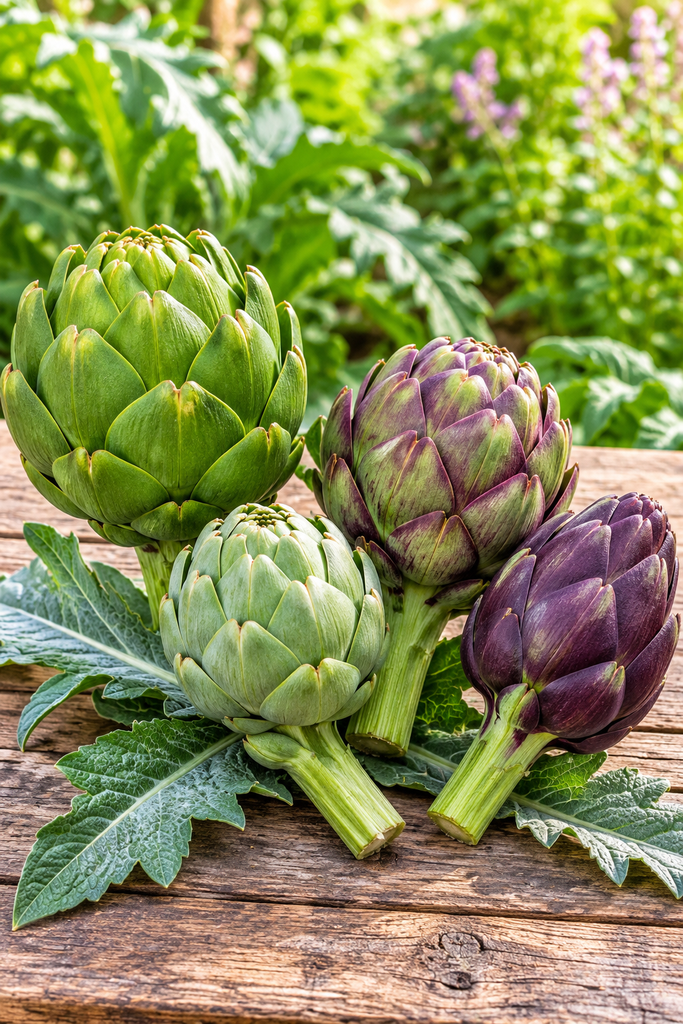
‘Imperial Star’
The best-known variety for gardeners in cold climates. It was bred for annual production from seed and has low vernalization needs, according to Connecticut extension research. It stays relatively compact, about three feet tall by several sources, and produces glossy green buds, often with few or no thorns. A common choice for first-year harvests.
‘Green Globe’ and ‘Green Globe Improved’
The standard commercial varieties in California, with round green buds. They need a longer cold period, at least about 500 hours below 50°F per Connecticut research, and some buds are thorny. They suit mild-winter regions or gardeners willing to vernalize carefully.
‘Colorado Star’
A purple annual variety developed from ‘Imperial Star’, reported to be the first purple globe artichoke bred for annual production. Bud color depends on temperature, with hotter weather giving less purple.
‘Tavor’
An annual variety grown for first-year production, with improvements in vigor over ‘Imperial Star’ according to one gardening source. Check seed catalogs for the latest descriptions.
‘Violetto’
A variety with purplish buds, listed by Cornell among shorter-season types more likely to flower and survive winter in New York. Check hardiness for your area.
‘Grande Buerre’
A spineless variety that Cornell says can grow up to nine feet tall. It needs plenty of space.
‘Opal’
A hybrid that the University of Florida Extension describes as producing purple, medium-sized buds. Hybrid seed can be pricier, and results depend on climate.
Cardoon (Cynara cardunculus)
A close relative grown for its blanched leaf stalks rather than its buds, with the same basic growing conditions. It is not the same crop as globe artichoke, so do not buy it expecting buds.
How to Choose the Right Artichoke for Your Garden
If your winters are cold, choose an annual-type variety such as ‘Imperial Star’ or ‘Colorado Star’ and plan for vernalization. In mild-winter regions, perennial plantings of ‘Green Globe’ or other varieties can be planted in fall or winter. Check the seed packet or plant tag for days to harvest, size, and cold requirements.
| Common name | Botanical name | Appearance | Mature size (approximate) | Light needs | Growing considerations |
|---|---|---|---|---|---|
| ‘Imperial Star’ | Cynara cardunculus var. scolymus | Glossy green buds, few thorns | About 3 ft. | Full sun | Annual-type; low vernalization need |
| ‘Green Globe’ / ‘Green Globe Improved’ | C. cardunculus var. scolymus | Round green buds, some thorny | Large plant; check tag | Full sun | Needs longer cold period; suits mild winters |
| ‘Colorado Star’ | C. cardunculus var. scolymus | Purple buds | Check tag | Full sun | Annual-type; color fades in heat |
| ‘Tavor’ | C. cardunculus var. scolymus | Green buds | Check tag | Full sun | Annual-type |
| ‘Violetto’ | C. cardunculus var. scolymus | Purplish buds | Check tag | Full sun | Shorter-season type |
| ‘Grande Buerre’ | C. cardunculus var. scolymus | Spineless buds | Up to about 9 ft. | Full sun | Very large plant |
| ‘Opal’ | C. cardunculus var. scolymus | Purple, medium buds | Check tag | Full sun | Hybrid |
| Cardoon | C. cardunculus | Grown for leaf stalks | Large plant | Full sun | Different crop; not for buds |
Sizes are approximate and vary with climate and variety. Check each seed packet or plant tag.
Recommended Products for Growing Artichoke Varieties
- 🏷️ Reusable Plant Labels — Check price on Amazon
12. Common Artichoke Problems and How to Fix Them
Why Are My Artichoke Leaves Turning Yellow?
Yellowing can come from overwatering, poor drainage, underfeeding, heat stress, or normal aging of the oldest outer leaves. Check soil moisture, drainage, and feeding before changing anything.
Why Are the Leaves Wilted, Soft, or Mushy?
Wilting with dry soil means thirst, which is common in hot weather. Wilting or a soft, dark crown with wet soil points to crown rot. Check the soil before watering again.
Why Is My Artichoke Plant Not Producing Buds?
Usually the plant has not had enough cold weather, is too young, is too hot or dry, or is underfed or crowded. In cold regions, make sure you chose a variety bred for annual production and vernalized the seedlings.
Why Is My Artichoke Dying Back?
Dieback after harvest is normal in many climates, and plants may regrow from the crown. Dieback from frost, rot, or drought needs a closer look at the crown and soil.
Brown Leaf Edges and Sunburn
Brown, crispy edges can come from drought, heat, wind, or fertilizer burn. Water deeply, mulch, and avoid over-fertilizing.
Common Artichoke Pests and Diseases and How to Manage Them
Aphids, slugs, snails, and earwigs are common garden pests, and snails are noted as a problem for young shoots. Gray mold and other fungal diseases can appear in humid, crowded conditions. In some regions, the artichoke plume moth is a pest. Rinse aphids off with water, hand-pick slugs and snails at night, improve airflow, and use insecticidal soap or another labeled product if needed, following the label. Control pests that reduce plant vigor, since stressed plants make fewer buds.
How to Tell Whether Your Artichoke Can Be Saved
Check the crown. Firm, green tissue at the base means the plant can regrow, even if the top is cut down by frost. A crown that is soft, black, and smelly is unlikely to recover. In that case, replant a healthy division or start new transplants.
| Symptom | Possible cause | How to confirm | Recommended solution |
|---|---|---|---|
| Yellow lower leaves | Normal aging, overwatering, or underfeeding | Check soil moisture and plant vigor | Adjust watering; feed lightly; remove old leaves |
| Wilting leaves, dry soil | Underwatering or heat stress | Soil is dry a couple of inches down | Water deeply; mulch; consider afternoon shade |
| Soft, dark, smelly crown | Crown rot | Crown is mushy; soil is wet | Improve drainage; replant a healthy division |
| Leafy plant, no buds | Not enough cold, too young, heat, or underfed | Plant is healthy but no flower stalk | Choose a suitable variety; provide cool treatment; feed |
| Small, tough buds | Water stress or heat | Dry soil or hot weather during bud growth | Keep moisture even; harvest early |
| Buds opening too early | Heat or late harvest | Bracts spreading | Harvest sooner; provide shade; water consistently |
| Holes in leaves, slime trails | Slugs or snails | Look at night or after rain | Hand-pick; reduce hiding places; use slug bait carefully |
| Clusters of tiny insects on shoots | Aphids | Look closely at new growth | Rinse with water; insecticidal soap if needed |
| Gray fuzzy mold on buds or leaves | Gray mold | Damp, crowded growth | Remove affected parts; improve airflow |
| Blackened leaves after cold | Frost damage | Recent frost or freeze | Cut back damaged growth; mulch the crown |
Recommended Products for Artichoke Problems
- 🐌 Iron Phosphate Slug Bait (follow the label and keep it away from pets) — Check price on Amazon
- 🧴 Insecticidal Soap for Plants — Check price on Amazon
13. Is Artichoke Toxic to Cats and Dogs?
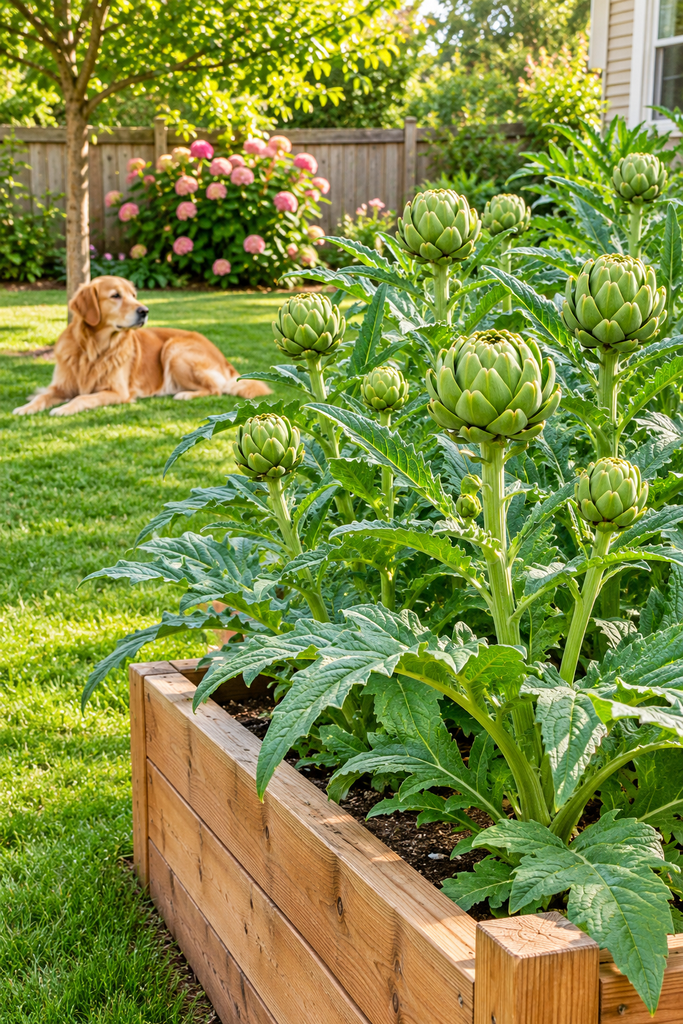
What Pet Owners Should Know About Artichoke
The sources I found report no toxic effects from globe artichoke plants. The Gardeners’ World plant database lists globe artichoke as having no reported toxic effects, and the buds are human food. I could not find an ASPCA entry for globe artichoke, and some pet sites advise caution, so treat it as low risk rather than guaranteed safe. Eating large amounts of any fibrous plant can cause stomach upset.
How to Keep Artichoke and Pets Safe Together
The bigger risks may be around the plant. Prepared artichoke products for people, such as marinated hearts or dips, often contain garlic, onion, oil, or salt, which are not good for pets, so do not share them. Keep fertilizers, slug bait, and pesticides away from animals, and note that spiny leaves and bracts can scratch curious pets.
What to Do if a Pet Eats Artichoke
A small nibble of the plant is not usually a concern, but watch for vomiting, diarrhea, or lethargy. If your pet eats a lot, shows symptoms, or may have eaten a treated plant, fertilizer, or a prepared artichoke product, call your veterinarian or the ASPCA Animal Poison Control Center at (888) 426-4435 (a consultation fee may apply).
14. Seasonal Artichoke Care Calendar
Timings below are general for US gardens. Regional climate, the artichoke variety, and your hardiness zone change the schedule.
Spring: Encourage New Growth
In cold regions, transplant vernalized seedlings outdoors about two weeks before the last frost. In mild regions, uncover mulched plants, divide crowns, and add compost. Begin regular feeding and watering.
Summer: Manage Sunlight and Watering
Water consistently, feed monthly, and watch for buds. Harvest when buds are full size and tight. In warm regions, buds often come in early summer.
Fall: Prepare for Winter
In mild-winter regions, plant divisions or seedlings so they experience cool weather over winter. In colder regions, cut back perennials, mulch heavily if you want to try overwintering, and clear annual plants.
Winter: Protect the Plant and Plan Ahead
In mild climates, plants may keep growing and produce buds in late winter and spring. In colder regions, start seed indoors in midwinter, in January or February, and plan your cool treatment for seedlings.
15. Frequently Asked Questions About Artichoke Plant Care
Is Artichoke an Indoor or Outdoor Plant?
Outdoor. Artichokes are large garden plants that need full sun and a cool period to produce buds. You can start seedlings indoors, but the plants belong outside.
How Often Should You Water an Artichoke?
Water deeply when the top couple of inches of soil are dry, and keep moisture consistent, especially while buds are forming. Containers need water more often than plants in the ground.
Does Artichoke Need Direct Sunlight?
Yes. Artichokes grow best in full sun, about six to eight hours a day, with some afternoon shade in very hot climates.
Can Artichoke Produce More Than Once?
Perennial plants in mild climates can produce for several years, with the main harvest often in the second year and later. Plants also produce side buds after the main bud is harvested. Annual varieties generally give one season of buds.
Should You Remove Spent Artichoke Stalks?
Yes. After harvest, cut the spent stalks back to the base so the plant can put energy into new growth. Leave a few buds to flower if you want pollinators.
Can Artichoke Survive Winter?
In roughly zones 7 to 10 or 11, perennial artichokes can survive winter, especially with mulch. In colder regions, survival is unlikely, so use annual varieties or overwinter plants in a protected spot.
Can You Grow Artichoke From Seed?
Yes. Start seed indoors in midwinter and choose a variety bred for annual production, such as ‘Imperial Star’. Seedlings need cool treatment to form buds.
Why Is My Artichoke Healthy but Not Producing Buds?
Most often it has not had enough cold, is too young, or is stressed by heat or poor feeding. Choose a suitable variety and provide cool treatment early in the season.
Final Thoughts on Growing a Healthy Artichoke
Healthy artichokes need full sun, fertile, well-drained soil, steady moisture, regular feeding, and protection from frost. The key to buds is the right variety and a cool period at the right time, so match the variety to your climate. Harvest while the bracts are tight, cut back after harvest, and keep pets away from fertilizers and treated plants. Start by choosing the variety that suits your winters, because that single decision determines whether your plants make buds.