Salvia Plant Care: How to Grow, Prune & Get More Beautiful Blooms
This article may contain affiliate links. As an Amazon Associate, I earn from qualifying purchases at no extra cost to you.
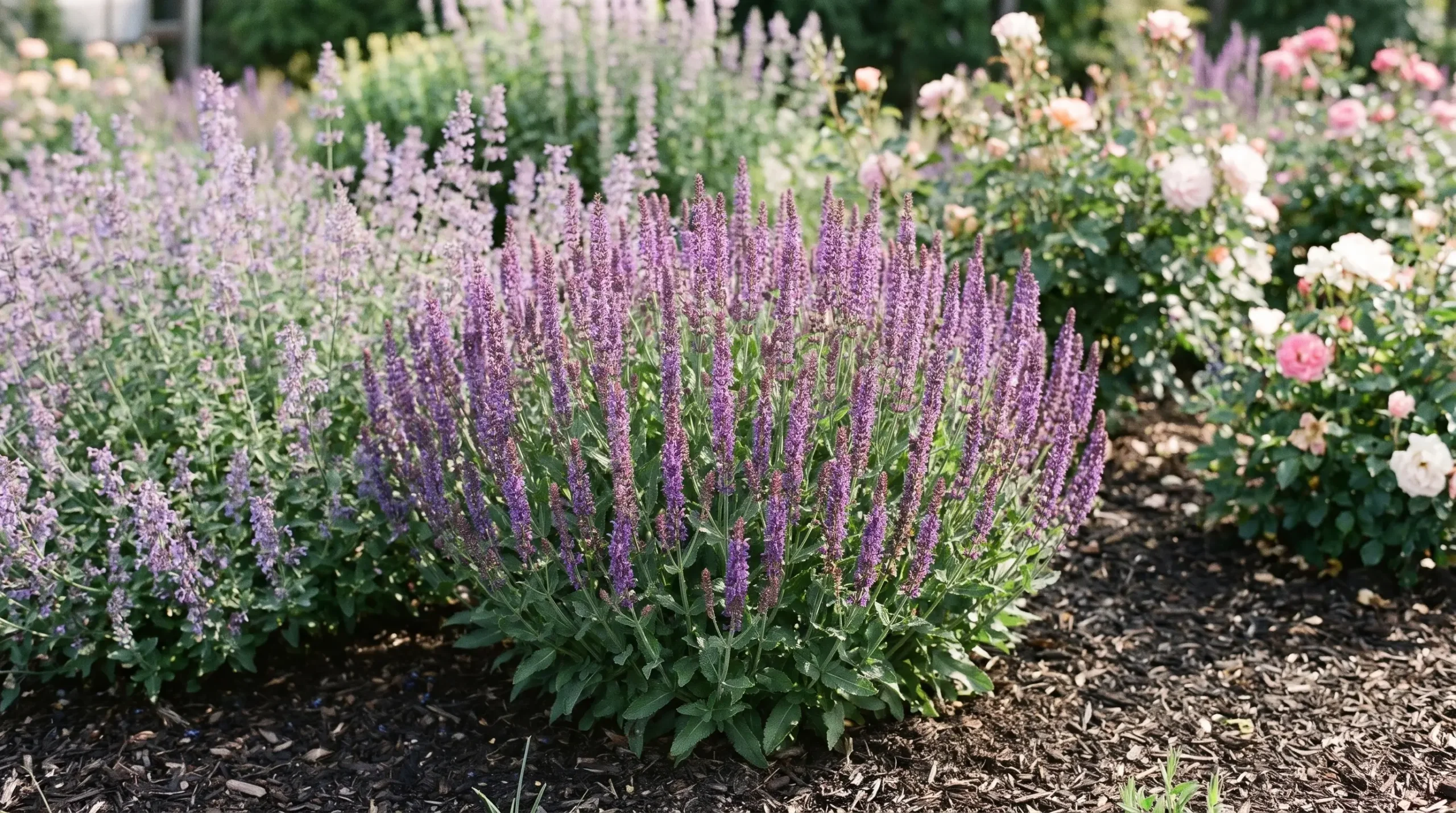
Salvia, also called sage, is a large group of sun-loving plants grown for upright spikes of purple, blue, red, pink, or white flowers that bees, butterflies, and hummingbirds visit. The quick answer for salvia plant care: plant it in full sun and well-drained soil, water deeply but not often once established, deadhead spent flower spikes, and cut the plant back after its first flush to get a second round of blooms. Most perennial salvias are tough, drought-tolerant, and rarely bothered by deer. This guide covers the common garden types, including perennial salvia (Salvia nemorosa), scarlet sage, autumn sage, and culinary sage, and explains watering, soil, pruning, propagation, problems, and pet safety.
Recommended Products for Getting Started With Salvia
- 🌱 Organic Compost for Garden Beds—Check price on Amazon
- ✂️ Bypass Hand Pruners or Garden Shears—Check price on Amazon
- 🍂 Shredded Bark or Wood Mulch—Check price on Amazon
Salvia Plant Care at a Glance
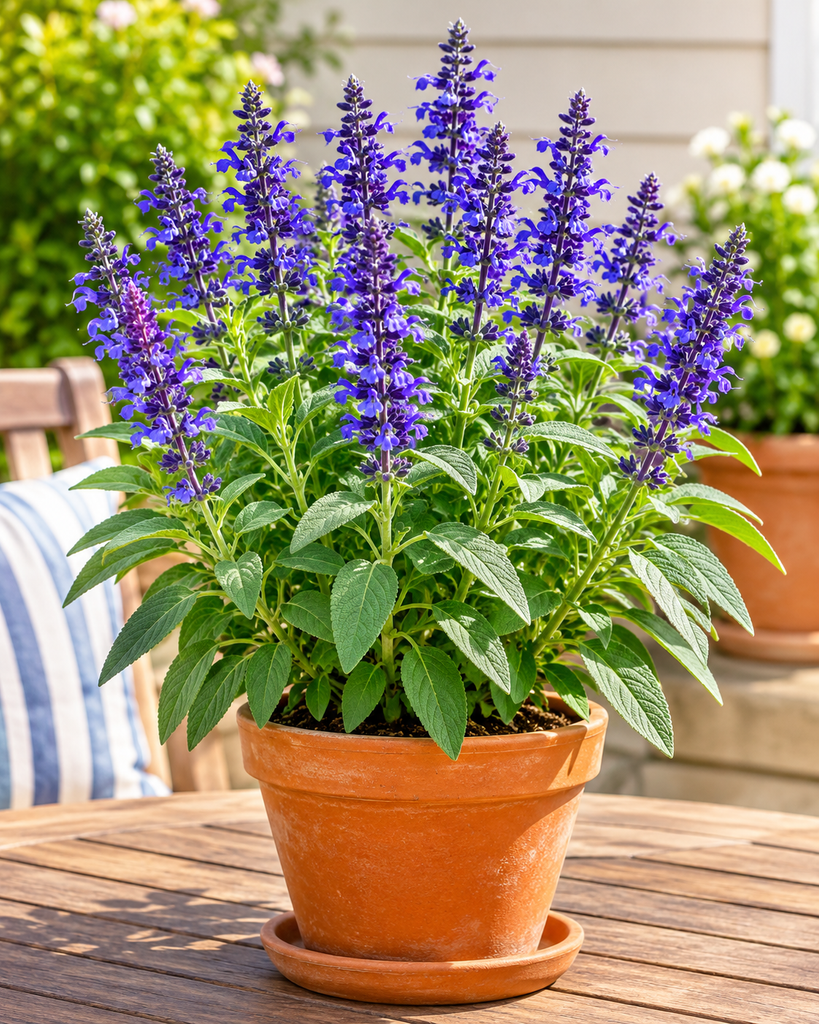
Salvia Care Requirements
The table focuses on perennial garden salvias such as Salvia nemorosa, the most common type sold at US garden centers. Annual and tender salvias differ in hardiness, as the variety section explains.
| Factor | What it needs | Key detail |
|---|---|---|
| Light | Full sun, at least 6 hours; light shade is tolerated | Less sun means fewer, floppier flower spikes |
| Watering | Water deeply, then let the soil dry somewhat | Drought tolerant once established, but blooms better with regular water |
| Soil | Well-drained soil; average fertility is fine | Avoid soil that stays wet in winter |
| Temperature | Perennial types are hardy in roughly zones 3–9, depending on the variety | Annual and tender salvias die in frost |
| Fertilizer | Light feeding in spring | Compost or balanced fertilizer; too much nitrogen gives leaves, not flowers |
| Flowering | Late spring through summer; rebloom after cutting back | Deadhead and shear after the first flush |
Indoor vs. Outdoor Growing Conditions
Salvias are mainly outdoor garden and container plants. They need a lot of direct sun, so they rarely thrive indoors. Tender types can be overwintered in pots in a bright, cool spot, while culinary sage can grow on a sunny windowsill for a time.
How Difficult Is Salvia to Grow?
Salvia is easy for most gardeners. The usual mistakes are too little sun, soggy soil, and skipping the post-bloom cut that triggers a second flush.
1. What Is a Salvia Plant?
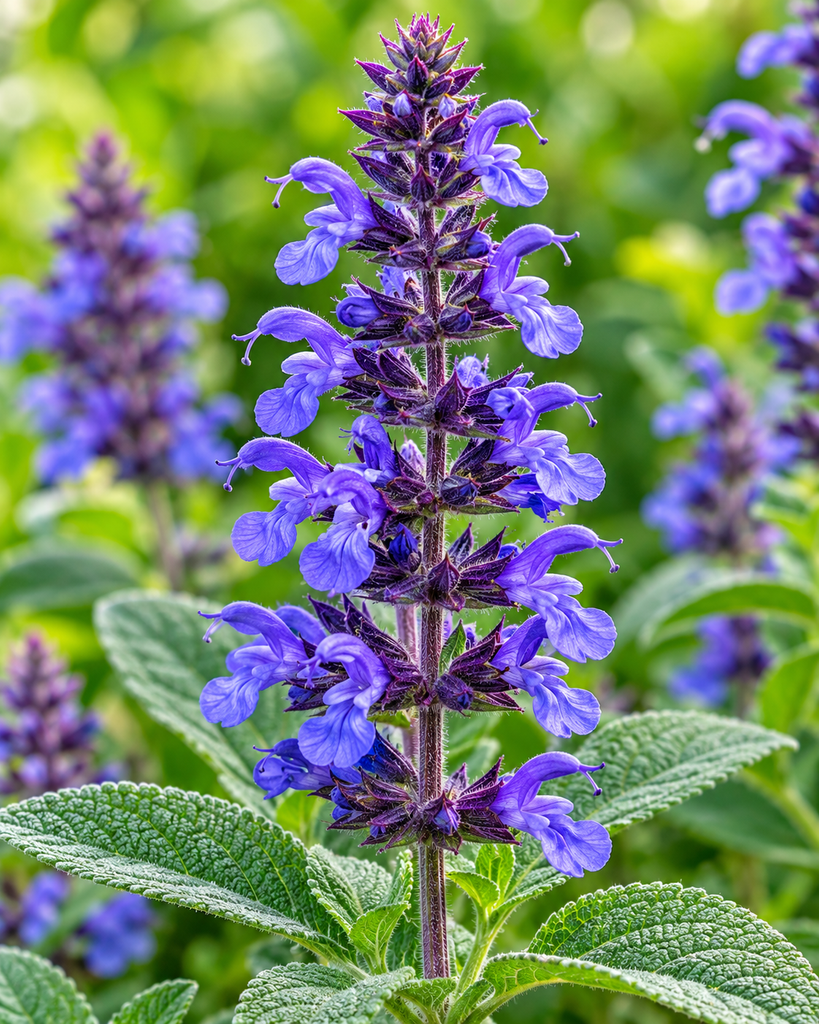
Botanical Background and Growth Habits
Salvia belongs to the mint family (Lamiaceae) and is one of the largest groups of flowering plants, with hundreds of species. Many have square stems, aromatic leaves, and tubular, two-lipped flowers arranged in spikes. Gardeners usually think of four groups: hardy perennial salvias, annual salvias grown as bedding plants, tender or half-hardy salvias, and culinary sage (Salvia officinalis). Common names overlap, so “sage” and “salvia” are often used for the same plants.
Why Salvia Is Popular as a Garden Plant
Salvias bloom for weeks, draw pollinators, tolerate heat and dry spells, and are often described as deer resistant. They suit borders, cottage gardens, pollinator plantings, and containers.
How Long Can a Salvia Plant Live?
Hardy perennial salvias come back for several years and benefit from division every few years. Annual salvias last one season, and tender salvias may survive winter only in mild climates. Lifespan depends on the type, climate, and drainage.
2. How Much Sunlight Does Salvia Need?
The Best Light for Salvia
Salvia grows best in full sun, at least six hours of direct light a day, according to common nursery and extension guidance. Light shade is tolerated, especially in hot climates, but flowering is best in sun.
Can Salvia Grow in Direct Sun?
Yes, direct sun is what salvias prefer. Established plants handle heat and brightness well, as long as the soil drains. New plants need regular water until they root in.
Signs of Too Much or Too Little Light
- Too little: Floppy, stretched stems, fewer flower spikes, and powdery mildew.
- Too much (rare, with drought): Scorched leaf edges and wilting during heat waves, mostly in young plants or small pots.
Where to Place Salvia in Your Garden or on a Patio
Plant salvia in a sunny bed or container with room to spread. Many nurseries recommend spacing perennial types about 16 to 18 inches apart for airflow, so check the plant tag. Pair them with other sun-lovers such as coneflower, yarrow, and ornamental grasses.
3. How Often Should You Water Salvia?
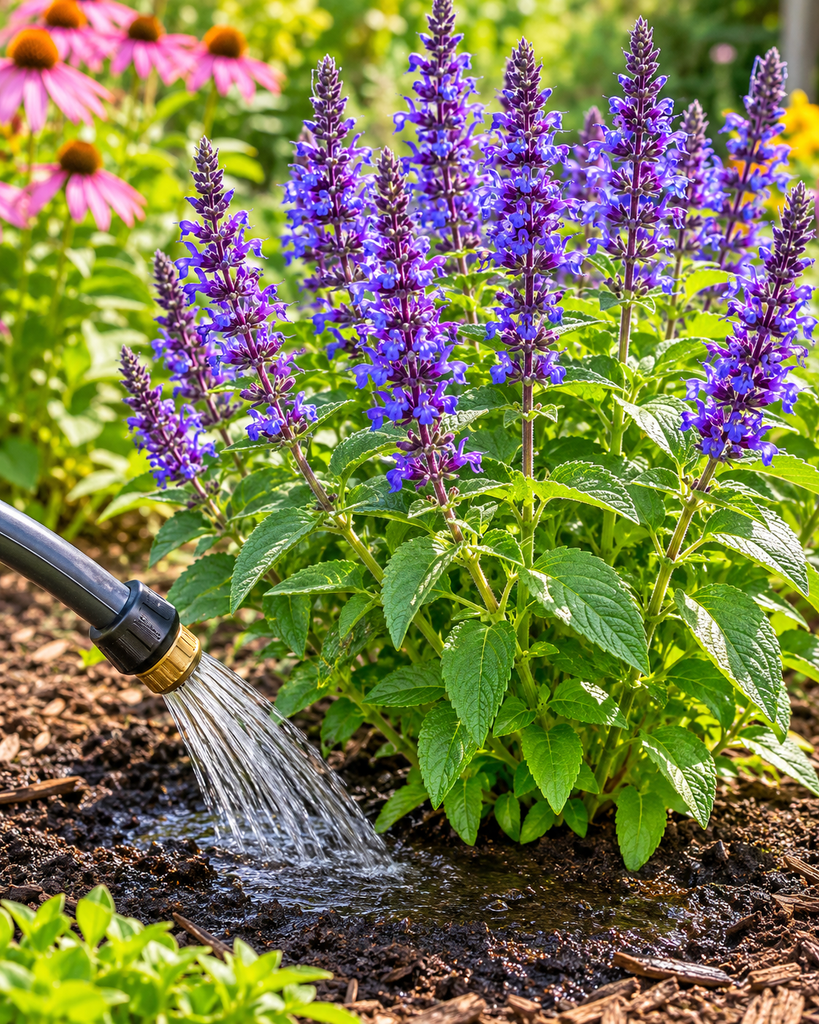
How to Tell When Your Salvia Needs Water
There is no fixed schedule. Check the soil with a finger. If the top two inches are dry, water. Newly planted salvia needs regular watering for the first few weeks while roots establish. Established plants are drought tolerant, though nursery sources note that they bloom better with regular water than when kept very dry.
The Best Way to Water Salvia
Water deeply at the base, soaking the root zone, then let the soil dry somewhat before watering again. Avoid frequent shallow sprinkling and avoid wetting the foliage late in the day, which can encourage mildew. In pots, water until it drains from the bottom.
Salvia Watering in Summer and Winter
In hot, dry summers, watch containers closely, since they dry out quickly. In winter, hardy perennial salvias in the ground need little water, and wet winter soil is a common cause of loss.
Signs of Overwatering and Underwatering
- Overwatering: Yellowing lower leaves, soft or blackened stems at the base, and mildew.
- Underwatering: Wilting, crisp leaf edges, and flowers that fade quickly, most common in pots in hot weather.
How to Fix an Overwatered Salvia
- Stop watering and let the soil dry well below the surface.
- Pull mulch back from the crown so it can dry.
- Improve drainage: move pots out of rain, lighten heavy soil, or move plants to a raised bed.
- If the base is soft, lift the plant, trim rotten parts, and replant healthy sections in well-drained soil.
Recommended Products for Watering Salvia
- 💧 Soaker Hose or Drip Irrigation Kit—Check price on Amazon
- 💦 Watering Can with a Long Spout—Check price on Amazon
4. What Is the Best Soil for Salvia?
Choosing a Well-Draining Soil
Salvia grows in average garden soil as long as it drains well. It does not need rich soil. In heavy clay, loosen the planting area, mix in compost and coarse grit, or plant in a raised bed. Poor drainage is the main cause of losses over winter.
A bag of organic compost for garden beds [INSERT YOUR VERIFIED AMAZON ASSOCIATES LINK] improves soil structure without making the soil too rich.
Can You Use Regular Garden Soil or Potting Soil?
Garden soil works in beds if it drains. In containers, use a quality potting mix, and add some perlite or coarse sand if it feels heavy.
Choosing the Right Pot and Drainage Holes
Choose a pot with drainage holes sized to the plant. Larger pots hold more water and reduce watering in summer. Terracotta dries faster than plastic, which suits salvia’s preference for well-drained soil.
How to Prevent Root Rot
Plant in well-drained soil, avoid overwatering, keep mulch off the crown, and avoid planting in low spots. Avoid winter-wet soil by improving drainage or planting on a slight mound.
Recommended Products for Salvia Soil
- 🌱 Organic Compost for Garden Beds—Check price on Amazon
- 🪴 Pots with Drainage Holes and Saucers—Check price on Amazon
5. Ideal Temperature and Humidity for Salvia
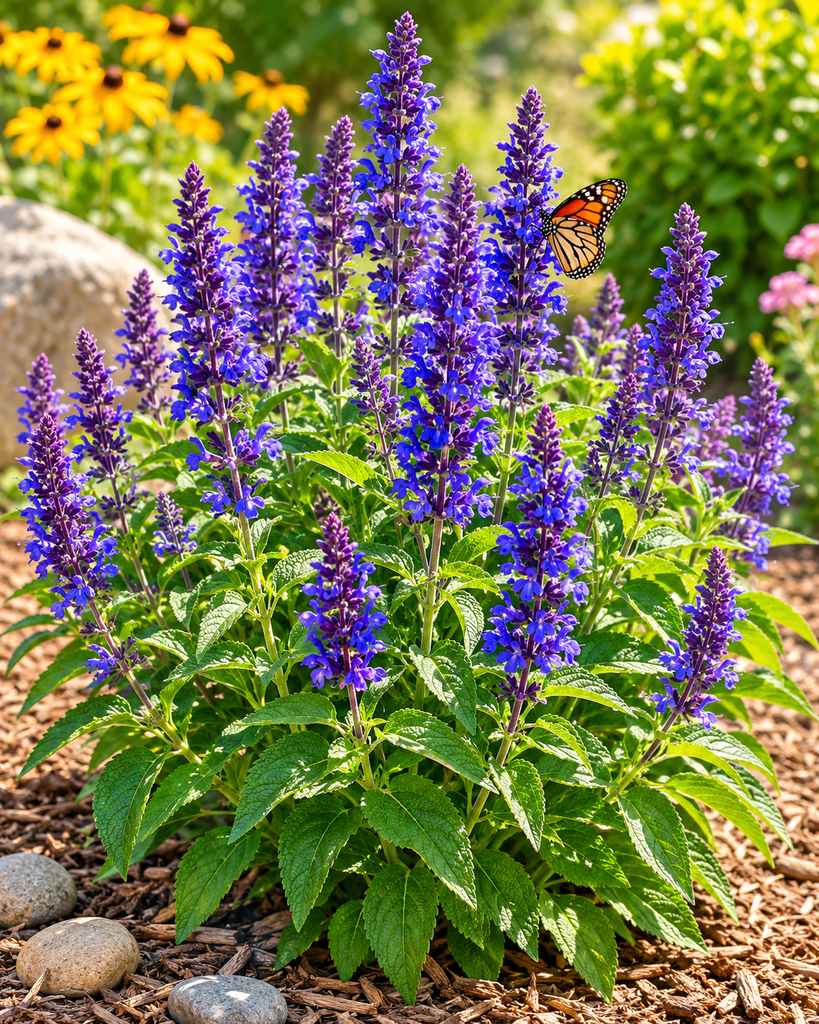
The Best Temperature Range
Most salvias like warm to hot weather and bloom well through summer heat. Perennial types such as Salvia nemorosa also handle cool springs and cold winters, while tender types prefer mild climates.
Protecting Salvia From Cold and Frost
Hardiness depends on the type. Hardy perennial salvias such as ‘May Night’ are listed as hardy in roughly zones 3 to 8 by nursery sources, and other sources list ranges such as zones 4 to 8 or 5 to 9. Annual salvias such as scarlet sage die in frost, and tender salvias such as Mexican bush sage and pineapple sage are perennial only in mild-winter regions. In cold regions, mulch lightly over the crown in late fall, avoid winter-wet soil, and bring potted tender types indoors.
Does Salvia Need High Humidity?
No. Salvias prefer dry to average air, and very humid, stagnant conditions can lead to powdery mildew. Give plants space and airflow.
Can You Grow Salvia Outdoors in the United States?
Yes, in nearly every region, with the right type. Perennial salvias suit most of the country, from cold northern gardens to the hot South. Autumn sage and other tender types do well in the South and West, and annual salvias work as summer bedding anywhere. Check your hardiness zone and the plant tag, and ask your local extension office for the best types for your area.
6. How and When to Fertilize Salvia
Choosing a Suitable Fertilizer
Salvias are low-maintenance and do not need rich soil. A light application of compost in spring, or a balanced granular fertilizer, is usually enough. Nursery guidance for ‘Violet Riot’, for example, suggests cutting back in spring and applying a balanced granular fertilizer.
When to Feed Salvia During Active Growth
Feed lightly as new growth starts in spring. Potted salvias lose nutrients through frequent watering and may need a light liquid feed every few weeks during the growing season. Plants in good garden soil often need little else.
Fertilizing After Flowering
After you cut a salvia back following its first flush, a light feeding can help the rebloom. Skip feeding in late summer and fall as growth slows.
Common Fertilizing Mistakes
- Using high-nitrogen fertilizer, which produces lush leaves and floppy stems instead of flowers.
- Overfeeding potted plants, which can burn roots.
- Fertilizing in fall, which encourages tender growth before frost.
- Fertilizing dry soil without watering it in.
Recommended Products for Fertilizing Salvia
- 🌸 Balanced Granular Fertilizer for Flowering Perennials — Check price on Amazon
7. How to Make Salvia Bloom Again
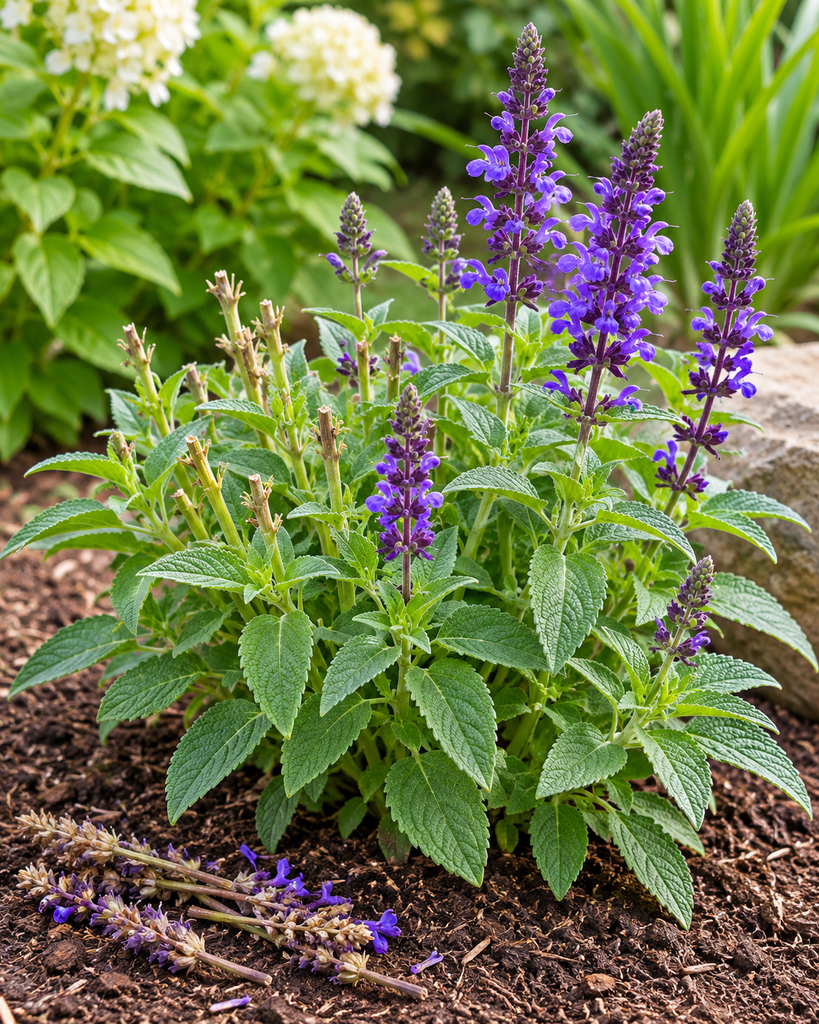
Why Your Salvia Is Not Flowering
Common causes are too little sun, too much nitrogen, overwatering, a crowded or old clump that needs dividing, or a plant that was just cut back and is regrowing. Very hot, dry stress can also pause blooming.
How Salvia Reblooms: Cutting Back After the First Flush
Salvias bloom in a main flush in late spring or early summer, then slow down. Nursery and grower guidance for perennial salvias such as Salvia nemorosa is consistent: remove the spent flower spikes or cut the plant back after the first flush, and it often reblooms later in summer or fall. There is no light or dark trigger. The new growth after the cut carries the next set of flowers.
How to Encourage Rebloom: Step by Step
- Wait until most of the flower spikes on the plant have faded.
- Deadhead individual spikes by cutting them back to the next set of leaves, or shear the whole plant back by about a third, as some nurseries recommend.
- If the plant is leggy or tired, cut it back further, down to the new foliage at the base.
- Water deeply and apply a light feeding.
- Expect new growth in a couple of weeks and flowers some weeks after that.
How Long Does Salvia Take to Rebloom?
It varies with the variety, weather, and how hard you cut. Many gardeners see fresh growth within a couple of weeks and new flowers in several weeks. Fall flowers after a late cut can be fewer and smaller, according to grower notes. There is no guaranteed date.
What to Do After the Flowers Fade
Deadhead or shear as above, keep watering during dry spells, and leave late-season flower spikes if you want seed heads for birds and winter interest. Cut back dead stems in late fall or early spring.
8. How to Prune Salvia for Healthy Growth
When to Prune Salvia
Deadhead through the bloom season, shear after the first flush for rebloom, and do a larger cut back in fall or early spring. Some sources suggest cutting hardy perennial salvia to about three inches in spring as new growth appears, while others cut it back in late fall. Avoid heavy cutting of woody tender salvias in fall, since cold can damage the new growth.
How to Remove Spent Flowers
Cut each faded flower spike back to the next set of leaves or to the base, using clean pruners. Regular deadheading extends the bloom time and keeps the plant tidy. You can also shear the whole clump in one go once most spikes have faded.
How to Fix a Leggy or Floppy Salvia
Legginess usually means too little sun, too much nitrogen, or a tired clump. Cut the plant back to the fresh foliage near the base, as some growers advise, move it to more sun if you can, and divide old, crowded clumps.
Should You Cut Back Salvia After Flowering?
Yes, for hardy perennial salvia, cutting back after the first flush usually brings a second round of flowers. For tender or woody types such as autumn sage, trim lightly after bloom and prune harder in spring, and for annual salvias, deadhead and pinch for bushiness. Culinary sage is pruned lightly and harvested often.
Recommended Products for Pruning Salvia
- ✂️ Bypass Hand Pruners or Garden Shears — Check price on Amazon
9. How to Propagate Salvia at Home
How to Propagate Salvia by Division
Division suits hardy perennial salvias and keeps the plant true to its variety. Divide clumps in spring or early fall, as garden guidance for ‘May Night’ suggests.
- Water the plant the day before and dig up the clump.
- Pull or cut it into sections, each with roots and healthy shoots.
- Replant at the same depth, water well, and keep the soil moist while they settle.
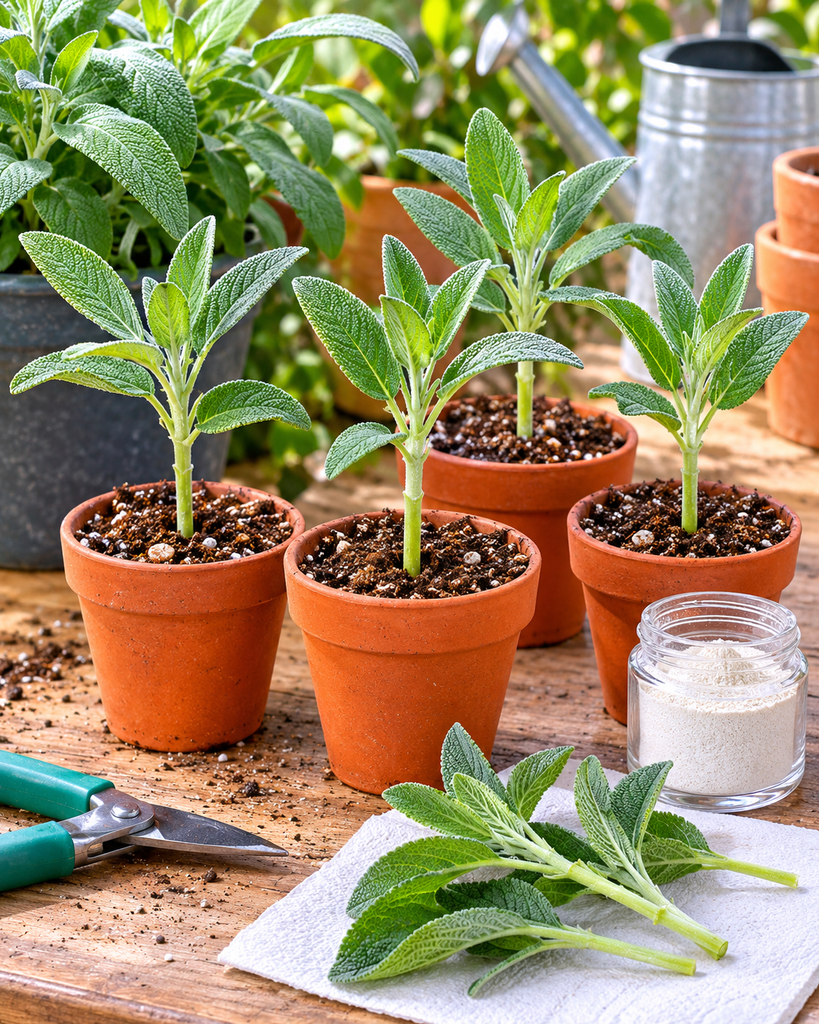
How to Propagate Salvia From Stem Cuttings
Softwood cuttings are a common way to propagate many salvias, especially tender types.
- In late spring or summer, cut a non-flowering shoot tip about 3–4 inches long, just below a node.
- Remove the lower leaves, and pinch off any flower buds.
- Optionally dip the end in rooting hormone, and plant in moist, well-drained mix.
- Keep in bright light, out of harsh sun, and keep the mix lightly moist until roots form.
Can You Grow Salvia From Seed?
Yes, for species and annual types. Seed-grown plants of named hybrid cultivars may not match the parent, so use division or cuttings for those. Annual salvias are usually grown from seed or bought as transplants.
Can You Propagate Salvia From a Leaf?
Not reliably. A single leaf will not grow into a new plant. Use stem cuttings or division.
How to Care for Newly Propagated Plants
Keep new divisions and cuttings evenly moist and out of hot afternoon sun until they establish. Hold off on fertilizer for a few weeks, and harden off before moving them into full sun.
Recommended Products for Propagating Salvia
- 🌿 Rooting Hormone Powder — Check price on Amazon
- 🪴 Small Nursery Pots or Propagation Trays — Check price on Amazon
10. When and How to Repot or Divide Salvia
Signs Your Salvia Needs Dividing or a Bigger Pot
- A clump with a bare, woody, or dead center.
- Fewer flower spikes than in earlier years.
- Roots growing out of the drainage holes in a pot.
- Soil that dries out within a day in warm weather.
Step-by-Step Dividing and Repotting Instructions
- Lift the clump with a spade or fork, keeping as many roots as possible.
- Discard the dead center, and divide the healthy outer sections.
- For pots, choose a drained container one size larger, add fresh potting mix, and set the plant at the same depth.
- Water well and keep the plant out of hot sun for a few days.
The Best Time of Year to Divide or Repot
Spring or early fall, when the weather is mild. Avoid dividing in the heat of summer or while the plant is in full bloom.
Aftercare to Reduce Transplant Stress
Water regularly for the first few weeks, keep mulch off the crown, and avoid heavy feeding until new growth appears.
Recommended Products for Dividing and Repotting Salvia
- 🧰 Garden Spade or Hand Trowel — Check price on Amazon
11. Popular Salvia Varieties to Grow at Home
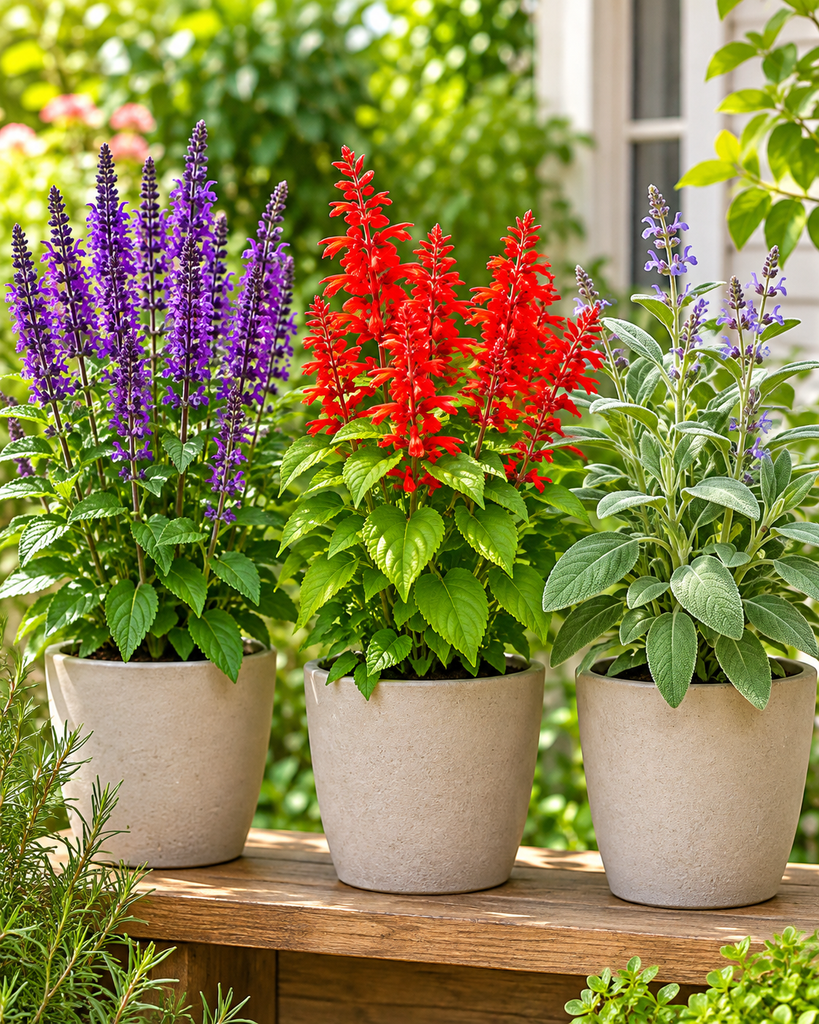
‘May Night’ (Salvia nemorosa)
One of the best-known perennial salvias, with deep violet-blue flower spikes in early summer over aromatic foliage. Nursery sources list it as about 18 inches tall and hardy in roughly zones 3 to 8, and it was named a Perennial Plant Association Plant of the Year in 1997. It reblooms if cut back.
‘Perfect Profusion’ (Salvia nemorosa)
A compact, mounded perennial salvia with icy blue flowers and a reputation for rebloom. Nursery descriptions list it at roughly 16 to 20 inches tall and wide, and it is the sort of variety that reblooms several times when spent stems are cut back.
‘East Friesland’ (Salvia nemorosa)
A compact perennial with violet-purple spikes and aromatic gray-green foliage, listed in some regional guides as hardy in roughly zones 4 to 8. Remove spent blooms to promote rebloom later.
Scarlet Sage (Salvia splendens)
A bedding salvia with bright red (also pink, purple, or white) spikes. It is grown as an annual in most of the US and does best in sun with regular water. The ASPCA lists a plant called scarlet sage as non-toxic to dogs, cats, and horses.
Mealycup Sage (Salvia farinacea)
A blue-flowered salvia with silvery stems, often grown as an annual or as a tender perennial in mild areas. It tolerates heat and attracts pollinators. Check the plant tag for hardiness.
Autumn Sage (Salvia greggii)
A shrubby salvia that blooms from spring into fall in warm regions, in red, pink, coral, or white. It is a good choice for hot, dry gardens with excellent drainage and for hummingbirds. Hardiness varies by cultivar, so check the plant tag.
Mexican Bush Sage (Salvia leucantha)
A large, tender salvia with velvety purple-and-white flower spikes in late summer and fall. It is perennial only in mild-winter regions and is grown as an annual or overwintered in pots elsewhere.
Culinary Sage (Salvia officinalis)
The herb used in cooking, with soft gray-green leaves and lavender-blue flowers. It is also called common or garden sage. The ASPCA lists it as non-toxic to dogs, cats, and horses.
How to Choose the Right Salvia for Your Garden
Choose hardy perennial salvia (Salvia nemorosa) for cold or mixed climates and reliable rebloom. Pick scarlet sage or mealycup sage for summer bedding and containers. In warm, dry regions, autumn sage and Mexican bush sage extend the season. Choose culinary sage if you want the herb. Always check the plant tag for hardiness, size, and sun needs.
| Common name | Botanical name | Appearance | Mature size (approximate) | Light needs | Growing considerations |
|---|---|---|---|---|---|
| ‘May Night’ | S. nemorosa cultivar | Deep violet-blue spikes | About 18 in. | Full sun | Hardy perennial; reblooms if cut back |
| ‘Perfect Profusion’ | S. nemorosa cultivar | Icy blue spikes, mounded | About 16–20 in. | Full sun | Compact; reblooms with shearing |
| ‘East Friesland’ | S. nemorosa cultivar | Violet-purple spikes | Compact; check tag | Full sun | Hardy perennial; deadhead for rebloom |
| Scarlet sage | S. splendens | Bright red spikes | Check tag | Full sun to part shade | Usually grown as an annual |
| Mealycup sage | S. farinacea | Blue spikes, silvery stems | Check tag | Full sun | Annual or tender perennial |
| Autumn sage | S. greggii | Red, pink, coral, or white flowers | Shrubby; check tag | Full sun | Needs excellent drainage; hardiness varies |
| Mexican bush sage | S. leucantha | Purple-and-white velvety spikes | Large; check tag | Full sun | Tender; blooms late summer to fall |
| Culinary sage | S. officinalis | Gray-green leaves, lavender flowers | Check tag | Full sun | Herb; non-toxic per ASPCA |
Sizes and hardiness are approximate and vary with cultivar and region. Check each plant tag.
Recommended Products for Growing Salvia Varieties
- 🏷️ Reusable Plant Labels — Check price on Amazon
12. Common Salvia Problems and How to Fix Them
Why Are My Salvia Leaves Turning Yellow?
Yellow leaves usually mean overwatering or poor drainage, especially on lower leaves with wet soil. They can also come from underfeeding in pots or from natural aging of older leaves. Check soil moisture and drainage first.
Why Are the Leaves Wilted, Soft, or Mushy?
Wilting with dry soil means thirst, which is common in pots and new transplants. Wilting or soft, dark stem bases with wet soil point to root or crown rot. Check the soil before watering again.
Why Is My Salvia Flopping Over or Leggy?
Usually too little sun, too much nitrogen, or heavy rain on a tall variety. Move it to more sun if possible, ease off fertilizer, and cut the plant back to fresh foliage.
Why Is My Salvia Not Blooming?
The common causes are too little sun, overfeeding, a crowded clump, or a plant that has just been cut back. Provide full sun, cut back after the first flush, and divide old clumps.
Why Is My Salvia Dying Back or Turning Brown?
Browning after bloom is normal for spent flower spikes. Dieback of the whole plant usually points to rot from wet soil, drought stress, or winter damage in tender types. Check the crown and roots before cutting.
Brown Leaf Edges and Sunburn
Crispy brown edges can come from drought, heat, or fertilizer burn, especially in young plants and pots. Water deeply, mulch, and avoid overfeeding.
Common Salvia Pests and Diseases and How to Manage Them
Salvias are generally trouble-free. Occasional problems include powdery mildew in humid, crowded, or shady spots, aphids on tender growth, whiteflies and spider mites in hot, dry conditions, and rot in wet soil. Improve airflow and sun, water the soil rather than the leaves, rinse pests off with water, and use insecticidal soap or another labeled product if needed, following the label.
How to Tell Whether Your Salvia Can Be Saved
Scratch a stem with a fingernail. Green tissue underneath means it is alive. Check the base of the plant for firm, healthy growth. A plant with a soft, black crown is unlikely to recover, but you can often take cuttings or divide healthy sections.
| Symptom | Possible cause | How to confirm | Recommended solution |
|---|---|---|---|
| Yellow lower leaves | Overwatering or poor drainage | Soil is wet; crown or stems soft | Reduce watering; improve drainage; pull mulch back |
| Wilting with dry soil | Underwatering or heat stress | Soil is dry a couple of inches down | Water deeply; mulch |
| Floppy, open center | Low light, too much nitrogen, or rain | Little sun; very leafy growth | Cut back; add sun; stop high-nitrogen feed |
| No flowers after first flush | Not cut back, or crowded clump | Spent spikes remain; bare center | Deadhead or shear; divide old clumps |
| White powdery film on leaves | Powdery mildew | Film wipes off; crowded, humid, or shady | Improve airflow and sun; remove affected leaves |
| Tiny insects on new growth | Aphids | Look closely at tips | Rinse with water; insecticidal soap if needed |
| Stippled or bronzed leaves, fine webbing | Spider mites | Check leaf undersides | Rinse; insecticidal soap; avoid water stress |
| Soft, black crown or stem base | Crown rot | Wet soil; crown mushy | Improve drainage; replant healthy sections |
| Blackened foliage after cold | Frost damage (annual or tender types) | Recent frost | Cut back damaged growth; protect or replace |
| Crispy brown leaf edges | Drought, heat, or fertilizer burn | Dry soil or recent feeding | Water deeply; reduce feeding |
Recommended Products for Salvia Problems
- 🧴 Insecticidal Soap for Plants — Check price on Amazon
13. Is Salvia Toxic to Cats and Dogs?
What Pet Owners Should Know About Salvia
The news is generally good, with one caveat about species. The ASPCA lists common sage (Salvia officinalis) and Texas or scarlet sage (Salvia coccinea) as non-toxic to dogs, cats, and horses. I could not verify an ASPCA entry for every salvia, and some pet-care websites make conflicting claims about particular species, such as scarlet sage (Salvia splendens), so treat other types as low risk but not guaranteed safe. Eating any plant can cause mild stomach upset in pets, and concentrated essential oils or burning sage bundles can irritate pets, which is a separate issue from the garden plant.
How to Keep Salvia and Pets Safe Together
Salvia is a reasonable choice for a pet-friendly garden, but discourage pets from chewing on plants. The bigger risks are often chemical: keep fertilizers, slug bait, and pesticides away from pets, and follow product labels.
What to Do if a Pet Eats Salvia
A small nibble is usually not a concern, but watch for vomiting, diarrhea, or lethargy. If your pet eats a lot, shows symptoms, or may have eaten a treated plant, fertilizer, or sage essential oil, call your veterinarian or the ASPCA Animal Poison Control Center at (888) 426-4435 (a consultation fee may apply). Tell them which salvia you have.
14. Seasonal Salvia Care Calendar
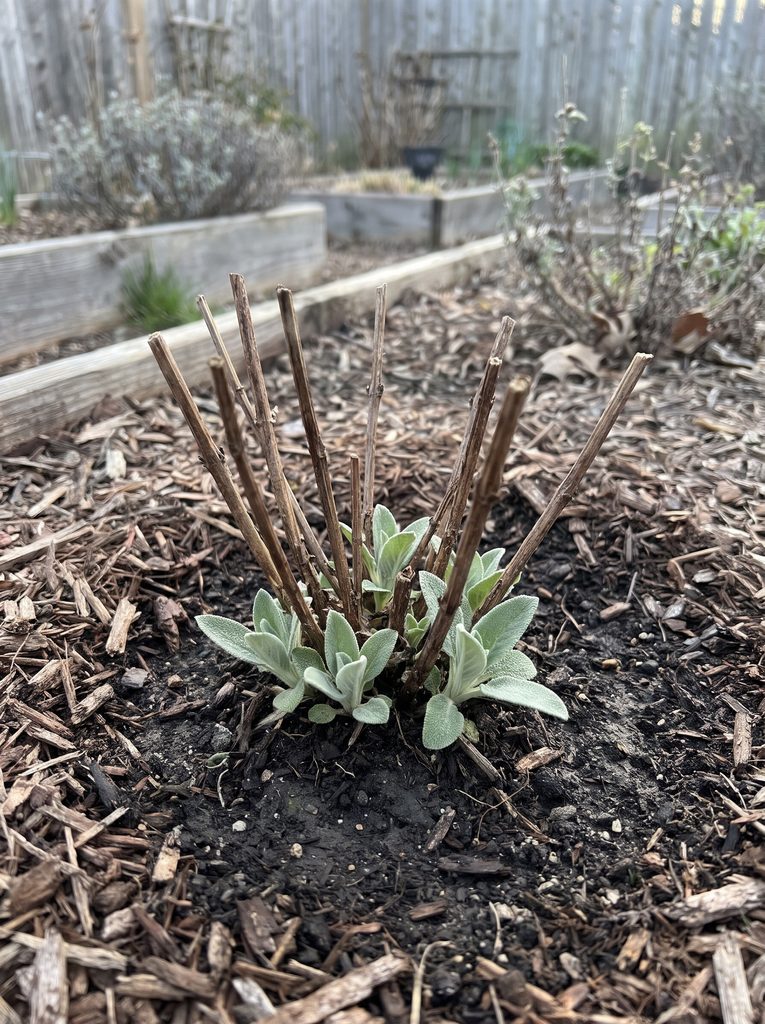
Timings below are general for US gardens. Regional climate, the salvia type, and your hardiness zone change the schedule.
Spring: Encourage New Growth
Cut back old stems as new growth appears, and divide crowded clumps. Plant new salvias after frost danger has passed, apply compost or a light balanced fertilizer, and mulch lightly without covering the crown.
Summer: Manage Sunlight and Watering
Water deeply during dry spells, deadhead regularly, and shear perennials after the first flush for rebloom. Watch for mildew in humid weather and keep pots well watered.
Fall: Prepare for Winter
Stop feeding. In cold regions, leave some seed heads for birds, or cut hardy perennials back in late fall. Bring pots of tender salvias indoors before frost, and take cuttings of favorites. Avoid hard pruning of tender types before cold weather.
Winter: Protect the Plant and Plan Ahead
Hardy perennials rest. Keep soil from staying wet, and mulch lightly in cold regions. Overwintered pots need bright light and little water. Order plants and seeds for spring.
15. Frequently Asked Questions About Salvia Plant Care
Is Salvia an Indoor or Outdoor Plant?
Salvia is mainly an outdoor plant. It needs full sun, so it rarely thrives indoors. Culinary sage can grow on a very sunny windowsill for a time, and tender types can be overwintered in pots indoors.
How Often Should You Water Salvia?
Water deeply when the top two inches of soil are dry. New plants need regular water for the first few weeks, while established perennial salvia is drought tolerant but blooms better with regular watering.
Does Salvia Need Full Sun?
Salvia grows best in full sun, at least six hours a day, though many types tolerate light shade, especially in hot climates. Less sun means fewer flowers and floppier stems.
Does Salvia Come Back Every Year?
Hardy perennial salvias, such as Salvia nemorosa, come back every year in their hardiness zones, roughly zones 3 to 8 or 9 depending on the variety. Annual salvias such as scarlet sage do not, and tender salvias come back only in mild-winter regions.
Should You Deadhead Salvia?
Yes. Deadheading, or cutting spent flower spikes back to the next set of leaves, keeps the plant tidy and encourages reblooming.
When Should You Cut Back Salvia?
Cut hardy perennial salvia back after its first flush of flowers for a second bloom, and cut back dead stems in late fall or early spring. Tender types are pruned more lightly after bloom and harder in spring.
Can You Grow Salvia From Cuttings?
Yes. Softwood cuttings 3–4 inches long root in moist, well-drained mix in bright, indirect light. Division also works well for perennial types.
Why Is My Salvia Healthy but Not Blooming?
Usually too little sun, too much nitrogen, or a plant that has not been cut back after its first flush. Give it full sun, avoid heavy feeding, and shear after the first flush.
Final Thoughts on Growing a Healthy Salvia
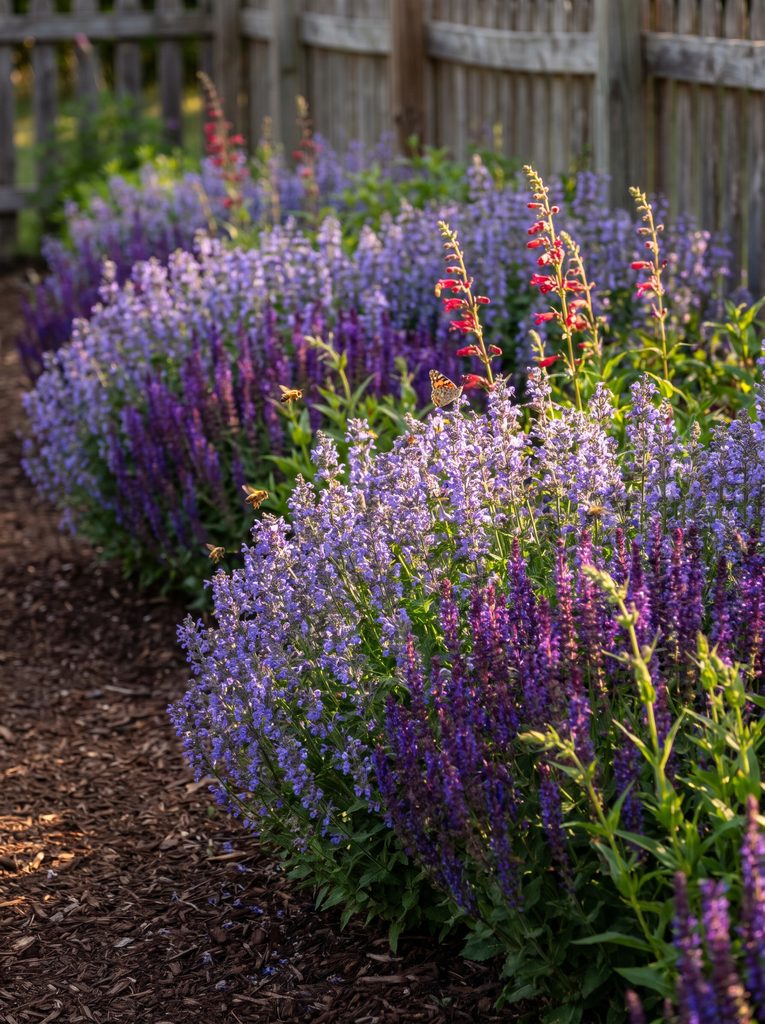
Healthy salvia comes down to full sun, well-drained soil, deep but infrequent watering, light feeding, and a cut after the first flush of blooms. Deadhead and shear for rebloom, divide tired clumps every few years, and choose a type that suits your climate. The ASPCA lists common sage and Texas sage as non-toxic to pets, but check the species you grow. Start by checking your sun and drainage, because those two things decide whether salvia will bloom heavily all summer.